10 Hidden Gems in the Black Forest You Must Visit
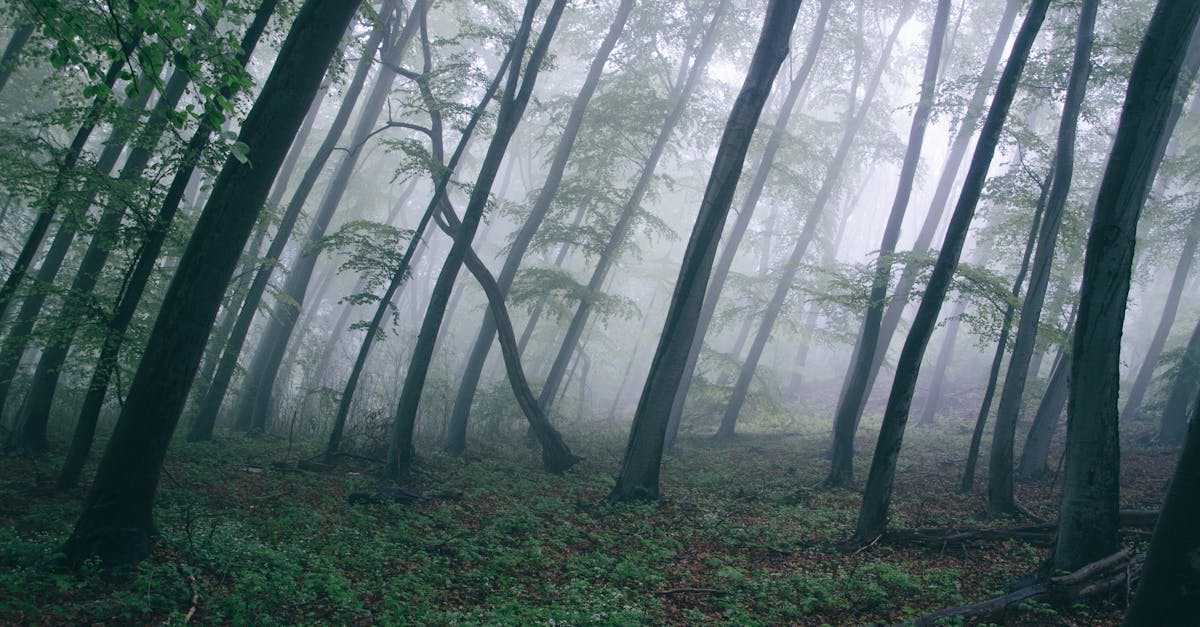 This photo was taken by Snapwire on Pexels.
Welcome to the heart of Germany, where dense pine forests cloak rolling hills and fairy-tale charm hides around every bend. While many travelers flock to the famous towns of Freiburg and Triberg, the true magic of the Black Forest lies in its quieter corners, waiting to be discovered by those willing to venture off the beaten path. In this guide, we invite you to explore ten extraordinary hidden gems that showcase the region's timeless beauty. From stepping into quaint villages where time seems to stand still, to stumbling upon secret waterfalls beyond the main hiking trails, and finally peeking into traditional cuckoo clock workshops tucked away in narrow alleys, prepare for an unforgettable journey into the soul of the Schwarzwald.
Quaint Villages Where Time Stands Still
Nestled deep within the emerald embrace of the Black Forest, villages like Gutach im Breisgau and Triberg offer a breathtaking escape where cobblestone streets wind past timber-framed houses adorned with overflowing flower boxes. Here, the rhythmic clatter of cuckoo clocks seems to echo through centuries-old workshops, preserving a traditional craftsmanship that has defined this region for generations. As you wander past the iconic Black Forest Gatehouse or watch the waterfalls cascade near the village center, the relentless pace of modern life fades away, replaced by the gentle rustling of pine trees and the distant sound of church bells calling villagers to evening prayer.
These hidden gems are not merely picturesque backdrops but living museums where the local culture thrives in its most authentic form. In places like Schluchsee's smaller hamlets or the secluded valley of Todtnau, you will find locals still tending to their alpine meadows and baking dark rye bread in stone ovens just as their ancestors did. A visit here invites you to slow down, perhaps enjoying a hearty meal of Spätzle at a rustic Gasthaus before strolling through misty forests at dawn, allowing the serene atmosphere to wash over you and reminding you why these timeless villages remain some of Germany's most cherished treasures.
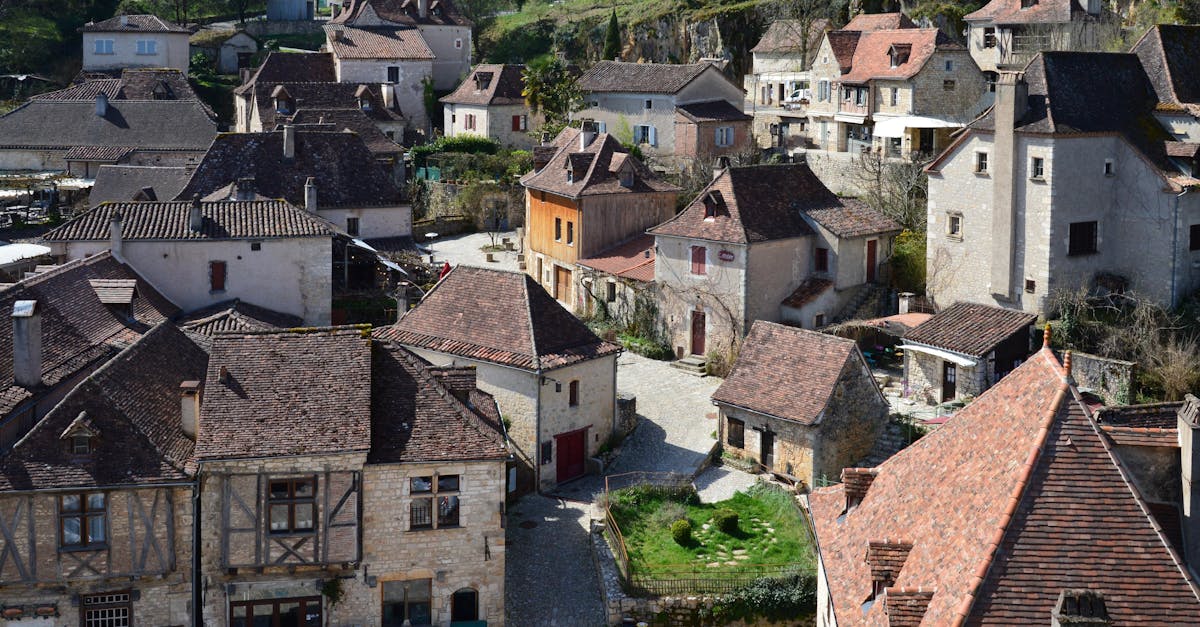 This photo was taken by SlimMars 13 on Pexels.
Secret Waterfalls Beyond the Hiking Trails
While the famous Triberg Waterfalls draw massive crowds, the true magic of the Black Forest lies in its secluded cascades that remain untouched by mass tourism. Venture off the marked trails into the dense fern-covered valleys of the Feldberg region or the serene depths of the Schönbuch to discover hidden gems like the Wasserfall bei Gutach, where water plunges over mossy granite slabs into crystal-clear pools often found only after a short, unmarked scramble through ancient beech forests. These lesser-known falls offer a profound sense of solitude, allowing you to hear the roar of the water without the distraction of souvenir shops or tour buses, creating an intimate connection with nature that is unique to this German landscape.Reaching these secret spots requires a bit more effort and local knowledge, as many are tucked away behind thick undergrowth or accessible only during specific seasons when the streams are full from snowmelt. A guided walk with a knowledgeable local can reveal paths that lead to breathtaking viewpoints overlooking the Silberbach Falls near St. Peter, where the mist creates a mystical atmosphere perfect for photography and quiet reflection. By exploring these hidden waterways, you not only avoid the summer crowds but also contribute to the preservation of the forest's delicate ecosystem, ensuring that these natural wonders remain pristine for future generations to enjoy in their wild, untamed glory. This photo was taken by Fatih Yalçınkaya on Pexels.
Traditional Cuckoo Clock Workshops in Hidden Alleys
Nestled within the labyrinthine cobblestone alleys of Triberg and St. Georgen, away from the bustling main squares, lie centuries-old workshops where the rhythmic ticking of cuckoo clocks echoes like a heartbeat through history. These family-run ateliers, often tucked behind unassuming wooden doors, offer an intimate glimpse into the intricate artistry that defines the Black Forest's most famous export. Here, master craftsmen still hand-carve every component from linden wood, painting vibrant forest scenes and assembling complex mechanical movements that have remained largely unchanged since the 18th century. Visitors are frequently invited to watch in awe as a single artisan spends days perfecting a single bird, ensuring that each chirp is authentic and every gear turns with silent precision.
Stepping inside these hidden sanctuaries feels less like shopping and more like entering a living museum where time itself seems to slow down. Unlike the mass-produced souvenirs found in tourist traps, the clocks crafted here are unique works of art, often featuring custom carvings of local folklore or personalized hunting motifs that tell specific stories of the region. Many workshop owners are happy to share tales of their ancestors who pioneered this craft during the Napoleonic Wars, explaining how the simple sound of the cuckoo became a symbol of German ingenuity. For the discerning traveler, purchasing a clock directly from the maker not only guarantees authenticity but also supports the preservation of a cultural heritage that has been carefully guarded within these shadowy, timber-framed alleyways for generations.
 This photo was taken by HONG SON on Pexels.