A Culinary Journey: Must-Try Regional Dishes Across Germany
 This photo was taken by cami on Pexels.
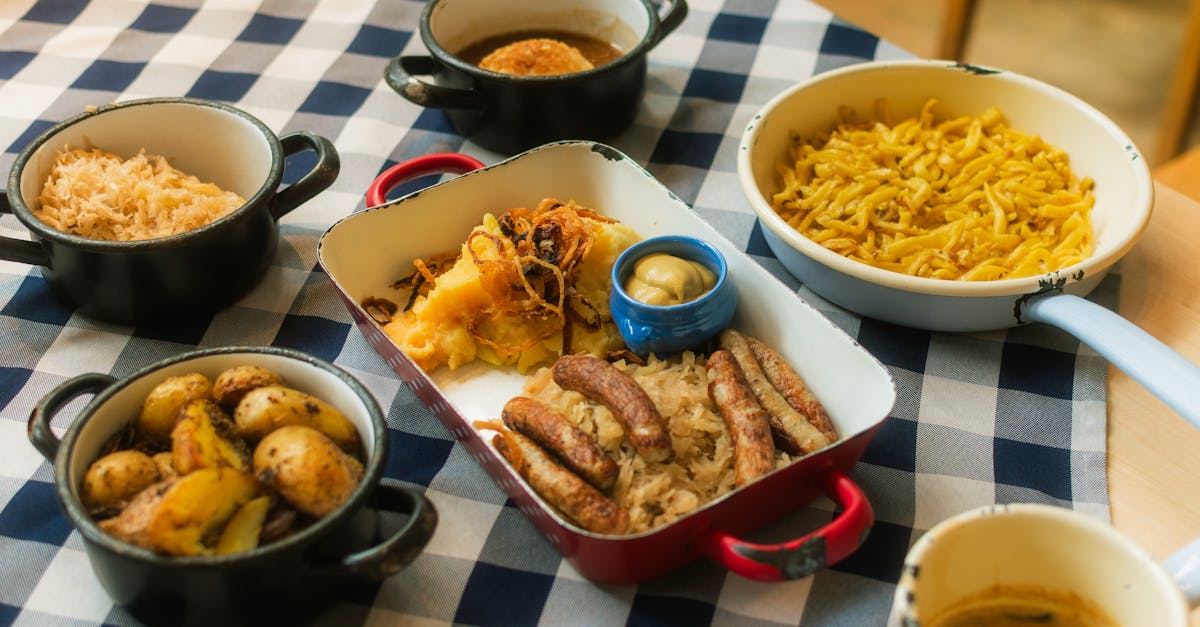
Welcome to Germany, a land where culinary traditions are as diverse and rich as its rolling landscapes and historic cities. As your local guide, I invite you to embark on a flavorful expedition that transcends the simple stereotype of sausages and beer. From the hearty, comforting kitchens of the south to the fresh, maritime influences of the coast, every region tells a unique story through its ingredients and recipes. Whether you are craving the soft, salty bite of a freshly baked pretzel, the delicate taste of northern seafood, or the decadent layers of a classic cake, this journey will introduce you to the authentic tastes that define German gastronomy. Get ready to explore the savory specialties and sweet delights that await in every corner of this wonderful country.
Bavarian Delights: From Pretzels to Weisswurst
Stepping into the heart of Bavaria is an invitation to indulge in some of Germany's most iconic culinary treasures, starting with the golden-brown, salt-crusted giant known as the Brezel. This soft, chewy pretzel is not merely a snack but a cultural staple, best enjoyed warm and often paired with a creamy, herb-infused Obatzda cheese spread or a crisp Weissbier from a local brewery. As you wander through Munich's historic Viktualienmarkt or a cozy beer garden, the aroma of freshly baked dough mingles with the scent of roasted nuts and hops, setting the perfect stage for a deeper exploration of regional flavors that define this southern state.
No Bavarian meal is complete without experiencing the tradition of Weisswurstfrühstück, or white sausage breakfast, a ritual rooted in history where these delicate veal sausages are boiled to perfection and served before noon, traditionally eaten without a knife. Paired with sweet mustard, a buttered pretzel, and a glass of wheat beer, this dish offers a unique taste experience that highlights the region's love for simplicity and high-quality ingredients. Whether you are sharing stories over a long table at a rustic Gasthaus or sampling street food at a festival, these savory delights provide a warm, authentic connection to Bavarian heritage that lingers long after your last bite.
 This photo was taken by Cats Coming on Pexels.
Northern Flavors: Seafood and Rye Bread in the North
Embarking on a culinary adventure in Northern Germany, specifically the coastal states of Schleswig-Holstein and Lower Saxony, reveals a gastronomic landscape deeply rooted in the North Sea and Baltic Sea. Here, fresh fish is not merely an ingredient but a cultural cornerstone, best experienced as Fischbrötchen—a humble yet iconic sandwich featuring crispy fried herring or delicate smoked salmon nestled in a soft roll with pickles and onions. For those seeking a more substantial meal, the region's signature Labskaus, a hearty mixture of corned beef, potatoes, and beetroot topped with a fried egg and pickled herring, offers a robust taste of maritime tradition that has sustained sailors for centuries.
No northern feast is complete without pairing these seafood delights with the region's distinctive rye breads, known collectively as Roggenbrot. Unlike the wheat-based loaves found further south, these dark, dense, and slightly sour breads are made from whole grain rye flour, providing a chewy texture and deep, earthy flavor that perfectly complements the briny freshness of the catch. Whether enjoyed as a thick slice at a bustling fish market in Hamburg or alongside a creamy potato salad in Bremen, this combination of sea bounty and rustic grain defines the authentic, unpretentious dining experience that awaits visitors along Germany's northern coast.
 This photo was taken by Jean-Paul Wettstein on Pexels.
Sweet Endings: Traditional Desserts from the Black Forest to Berlin
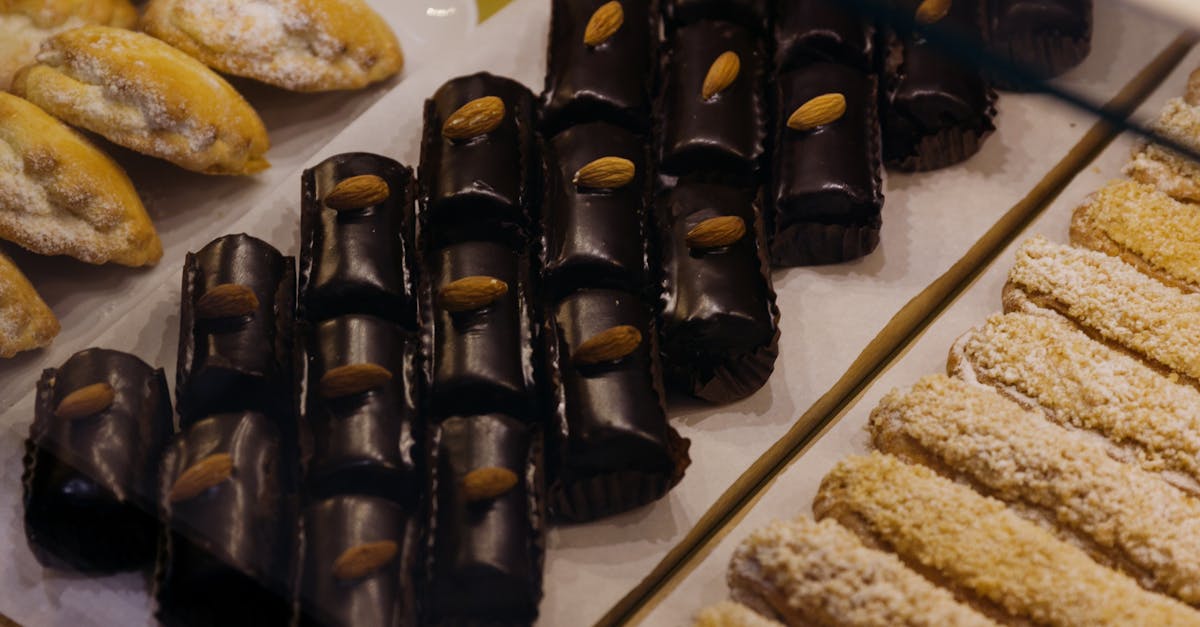
Begin your dessert journey in the misty depths of the Black Forest, where the world-famous Schwarzwälder Kirschtorte reigns supreme. This iconic cake is a masterpiece of layers soaked in kirsch liqueur, piled high with whipped cream and crowned with fresh cherries and chocolate shavings that resemble the forest floor. Moving northward to Berlin, the culinary landscape shifts from rich, fruity indulgence to sophisticated confectionery history. Here, you must indulge in the classic Berliner Pfannkuchen—jam-filled doughnuts dusted with powdered sugar—a beloved treat often enjoyed during Carnival season, or savor the elegant Praline cakes found in historic cafes that once served royalty.
As you traverse from the mountainous south to the bustling capital, you will discover how regional ingredients shape these sweet finales. While Bavaria offers the creamy delight of Kaiserschmarrn, a shredded pancake served with plum compote, the northern regions present lighter alternatives like Quarkkeulchen, fried cheese dumplings dipped in cinnamon sugar. In Hamburg, the tradition continues with marzipan, crafted from almonds grown in the nearby Lüneburg Heath, which forms the base for exquisite chocolates and truffles. Whether you are seeking the heavy, comforting richness of a fruit tart or the airy lightness of a meringue-based creation, Germany's dessert culture offers a perfect conclusion to any savory meal, reflecting centuries of baking traditions adapted to local tastes.
 This photo was taken by Plato Terentev on Pexels.