A Foodie's Dream: Regional Specialties Beyond Sausages
 This photo was taken by Erik Mclean on Pexels.
Welcome, food lovers! While Germany is often celebrated for its legendary sausages and hearty beers, the true culinary soul of this diverse nation lies far beyond the grill. From the delicate pastries of the Black Forest to the artisanal cheeses crafted in Bavarian alpine meadows, our gastronomic landscape offers a treasure trove of flavors waiting to be discovered. In this post, we will embark on a delicious journey that takes you from the sweet hidden gems of German bakeries to the rich regional spreads found in cities like Berlin, and finally, to the surprising delights of local seafood along the coasts and game specialties in the deep forests. Get your appetite ready, because it's time to explore a side of German cuisine that truly defines a foodie's dream.
Sweet Delights: Germany's Hidden Pastry Treasures
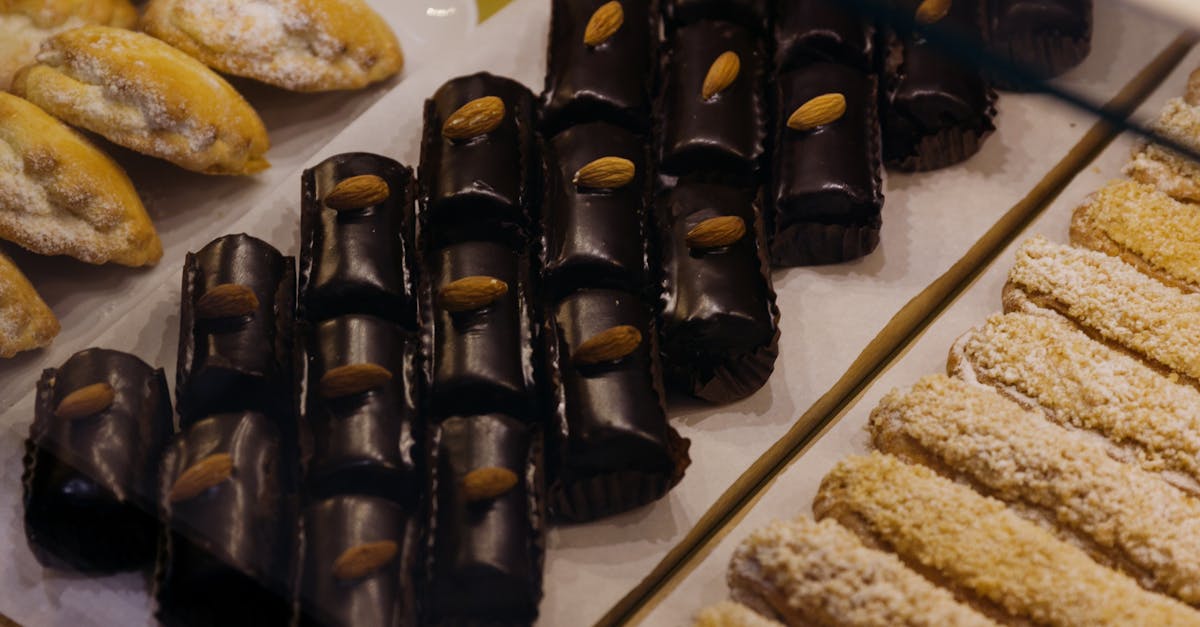 This photo was taken by Plato Terentev on Pexels.
From Bavaria to Berlin: A Journey Through Regional Cheeses and Spreads
Begin your culinary odyssey in the sun-drenched alps of Bavaria, where the air is crisp and the dairy traditions are centuries old. Here, you will encounter the legendary Bergkäse, a firm cow's milk cheese with a nutty depth that perfectly complements hearty pretzels, alongside the creamy, earthy notes of Allgäuer Emmentaler. As you travel north towards the rolling hills of Baden-Württemberg, the flavors shift to include the distinctive blue-veined Roquefort-style cheeses and rich butter spreads infused with local herbs like chives and garlic. These southern regions offer a taste of pastoral life, where every bite of cheese or spread tells a story of mountain pastures and artisanal craftsmanship that has been preserved through generations.
Upon reaching the vibrant capital of Berlin, the cheese landscape transforms dramatically, reflecting the city's modern, cosmopolitan spirit. While traditional German varieties remain popular, Berlin's food scene is defined by its innovative fusion of regional tastes with international influences, featuring artisanal spreads made from locally sourced vegetables, smoked fish, and exotic spices. You can find gourmet shops in neighborhoods like Kreuzberg and Mitte offering creative combinations such as beetroot and goat cheese spreads or mustard-infused cream cheeses that pair beautifully with rye breads. This journey from the rustic simplicity of Bavarian mountains to the eclectic innovation of Berlin showcases how Germany's culinary identity evolves while staying deeply rooted in its diverse regional heritage.
 This photo was taken by anna-m. w. on Pexels.
Beyond the Bratwurst: Uncovering Local Seafood and Game Specialties
While the bratwurst often steals the spotlight, Germany's culinary landscape offers a surprising depth of flavors from its northern coasts and dense forests. Along the North Sea and Baltic shores, visitors can indulge in fresh catches like Nordseekrabben (North Sea prawns) and smoked Matjes herrings, often served with boiled potatoes and creamy dill sauce. Venture further inland to the Black Forest or the Bavarian Alps, where the tradition of game hunting brings wild boar, venison, and pheasant to the table. These hearty dishes are frequently prepared in rich, dark sauces or slow-roasted, reflecting centuries-old recipes that honor the region's natural bounty and the skill of local hunters.
Exploring these regional specialties reveals a dining culture deeply rooted in seasonal rhythms and local terroir, far removed from the ubiquitous sausage stands found in tourist hubs. In coastal towns like Cuxhaven or Rostock, seafood festivals celebrate the day's catch with simple preparations that let the ocean's freshness shine, while mountain villages host autumn game feasts accompanied by robust red wines or local craft beers. By seeking out these authentic experiences at farm-to-table restaurants or traditional Gasthäuser, travelers discover a sophisticated side of German cuisine that balances rustic charm with gourmet excellence, proving that the country's food scene is as diverse and captivating as its landscapes.
 This photo was taken by Alexander Grigorian on Pexels.