A Foodie's Guide to Germany's Regional Specialties
 This photo was taken by cami on Pexels.
Welcome to the heart of German cuisine, a land where culinary traditions are as diverse and rich as its landscapes. From the misty peaks of the Alps to the windswept shores of the North Sea, every region tells a unique story through its flavors. Whether you are craving the buttery crunch of a Bavarian Brezel, the delicate taste of fresh North Sea shrimp, or the hearty comfort of slow-cooked sausages paired with tangy sauerkraut, this journey promises an unforgettable exploration of local tastes. As we delve into the art of regional baking and discover the sweet endings that define German dessert culture, prepare your palate for a delightful adventure across the Fatherland's most cherished specialties.
From Bavarian Brezeln to North Sea Shrimp: A Culinary Journey Through Germany
Begin your gastronomic adventure in the south, where the air is often filled with the warm, yeasty aroma of freshly baked Brezeln. In Bavaria, this pretzel is more than just a snack; it is a cultural icon best enjoyed with a hearty Obatzda cheese spread or a crisp Weisswurst for breakfast. As you travel northward toward the bustling port cities of Hamburg and Bremen, the landscape shifts dramatically from rolling hills to the windswept expanse of the North Sea. Here, the culinary focus turns to the ocean's bounty, offering visitors the chance to savor steaming plates of Fischbrötchen, particularly those topped with succulent, hand-picked shrimp known as Nordsee-Garnelen. These simple yet exquisite sandwiches are a staple of coastal life, perfectly paired with a glass of local Riesling or a chilled beer.
This journey through Germany's flavors reveals a tapestry of regional pride that extends far beyond these two iconic dishes. Whether you are indulging in the rich, dark stews of the Black Forest or sampling the delicate potato pancakes of the Rhineland, every bite tells a story of local history and tradition. The country's diverse geography ensures that no two meals are ever the same, inviting foodies to explore everything from the smoky sausages of Thuringia to the sweet pastries of Berlin. By embracing these regional specialties, travelers do not merely eat; they connect deeply with the heart of German culture, discovering that the true essence of the nation lies on its tables and in its kitchens.
 This photo was taken by Jakub Zerdzicki on Pexels.
The Art of Sausages and Sauerkraut: Eastern and Southern Delicacies
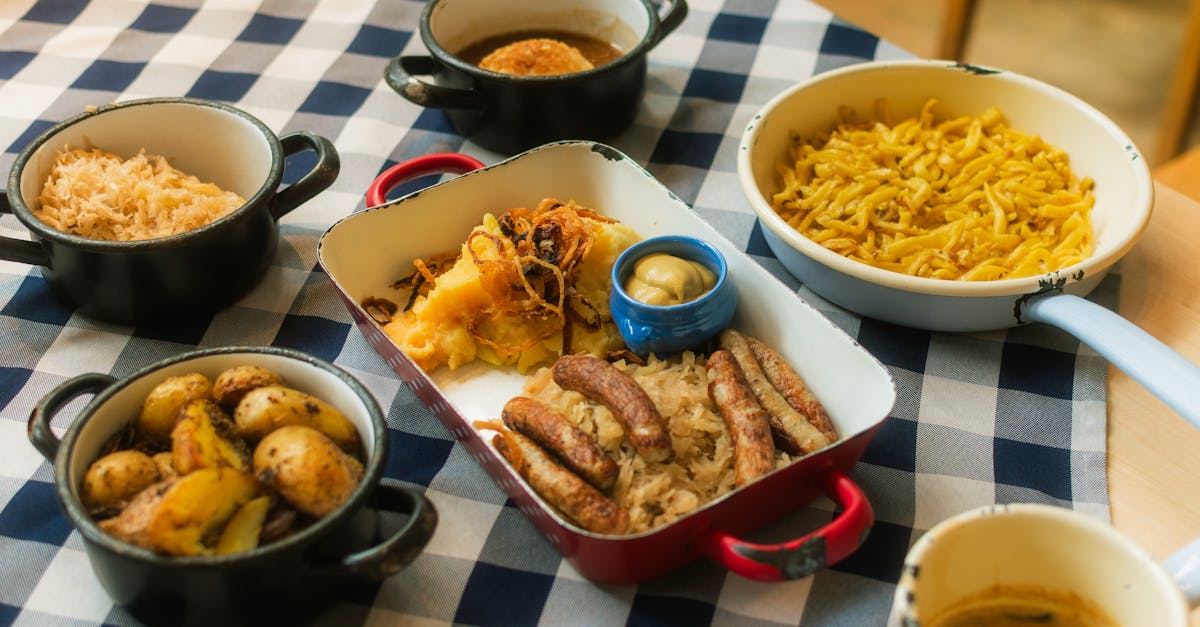
Embarking on a culinary journey through Germany's eastern and southern landscapes reveals a rich tapestry of flavors where the art of sausage-making reaches its zenith. In the south, particularly in Bavaria, the famous Weißwurst, traditionally eaten before noon with sweet mustard and a soft pretzel, offers a delicate taste of tradition, while the robust Bratwurst of Thuringia and Franconia boasts a smoky, herb-infused character that has been perfected over centuries. These regional variations are not merely snacks but cultural icons, often paired with hearty breads or served atop a bed of tangy sauerkraut that provides the perfect acidic counterpoint to the savory meats. Whether you are wandering the historic streets of Nuremberg sampling small, grilled Nürnberger Rostbratwürste or exploring the rustic markets of Dresden, each bite tells a story of local terroir and generations-old craftsmanship.
Beyond the sausages, the eastern and southern regions have mastered the preservation techniques that define German cuisine, most notably through the preparation of sauerkraut and its many modern interpretations. While traditionally a staple for winter sustenance made from fermented cabbage, today's versions range from the classic red cabbage (Rotkohl) simmered with apples and spices found in Saxony to the creamy, potato-laden variants popular in Baden-Württemberg. These dishes are frequently elevated by pairing them with premium cuts of meat or integrating them into contemporary gastropub menus, proving that these humble ingredients remain vibrant and essential to the national palate. As you explore these diverse gastronomic offerings, you will discover that the true essence of German dining lies in this harmonious balance between the smoky richness of cured meats and the sharp, refreshing zest of fermented vegetables.
 This photo was taken by Erik Mclean on Pexels.
Sweet Endings: German Desserts and Regional Baking Traditions
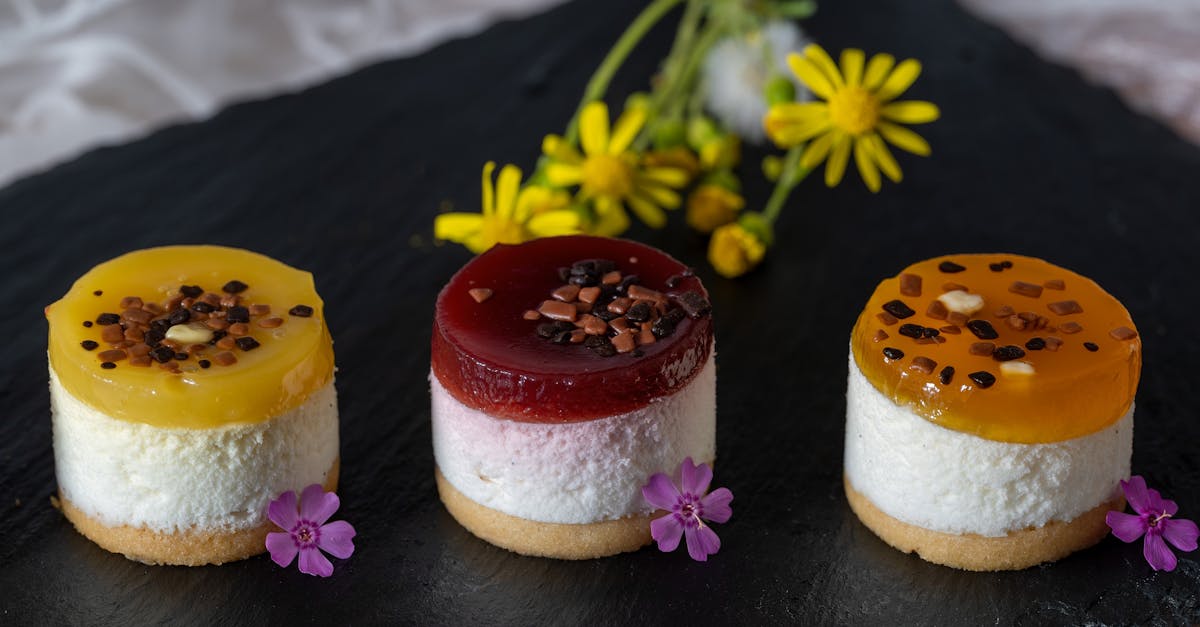
Germany's culinary landscape concludes with a symphony of sweet delights that vary dramatically from the coastal north to the Alpine south. In the Black Forest, visitors are treated to the legendary Schwarzwälder Kirschtorte, a decadent chocolate sponge cake layered with whipped cream and cherries soaked in kirsch, while Berliners flock to the famous Berliner Pfannkuchen—jelly-filled doughnuts dusted with powdered sugar that have been a staple since the 19th century. Each region boasts its own signature treat, such as the buttery Linzer cookies of the east or the crispy, honey-glazed Lebkuchen of Nuremberg, which transform local ingredients into edible treasures that reflect centuries of baking heritage.
Beyond these famous icons, the art of German regional baking is deeply rooted in community traditions and seasonal festivals, offering tourists an authentic taste of local culture. Whether you are strolling through a Christmas market in Dresden sampling spicy Stollen or enjoying a warm slice of Swabian Maultaschen with apple sauce in Stuttgart, the pastry shops (Bäckereien) serve as vibrant social hubs where time-honored recipes are passed down through generations. From the delicate fruit tarts of Bavaria to the dense, nutty cakes of Thuringia, exploring these dessert specialties provides a perfect, sugary finale to any gastronomic journey through Germany's diverse regions.
 This photo was taken by Gundula Vogel on Pexels.