Architecture Wonders: From Gothic Cathedrals to Modern Marvels
 This photo was taken by Nomad Photographer on Pexels.
Welcome to the heart of German engineering and artistic vision, where every stone tells a story spanning centuries. From the soaring spires that pierce the skies of Cologne and Regensburg to the sleek, functional lines that define our cities today, Germany offers a breathtaking architectural journey. In this post, we will explore the intricate stained glass and flying buttresses of The Majestic Gothic Cathedrals of the Rhine, trace the revolutionary legacy of the Bauhaus and Beyond: The Modernist Revolution, and discover how our nation achieves A Seamless Blend: Historic Preservation Meets Contemporary Design. Get ready to walk through history and into the future as we uncover the timeless wonders that make Germany a must-visit destination for architecture lovers.
The Majestic Gothic Cathedrals of the Rhine
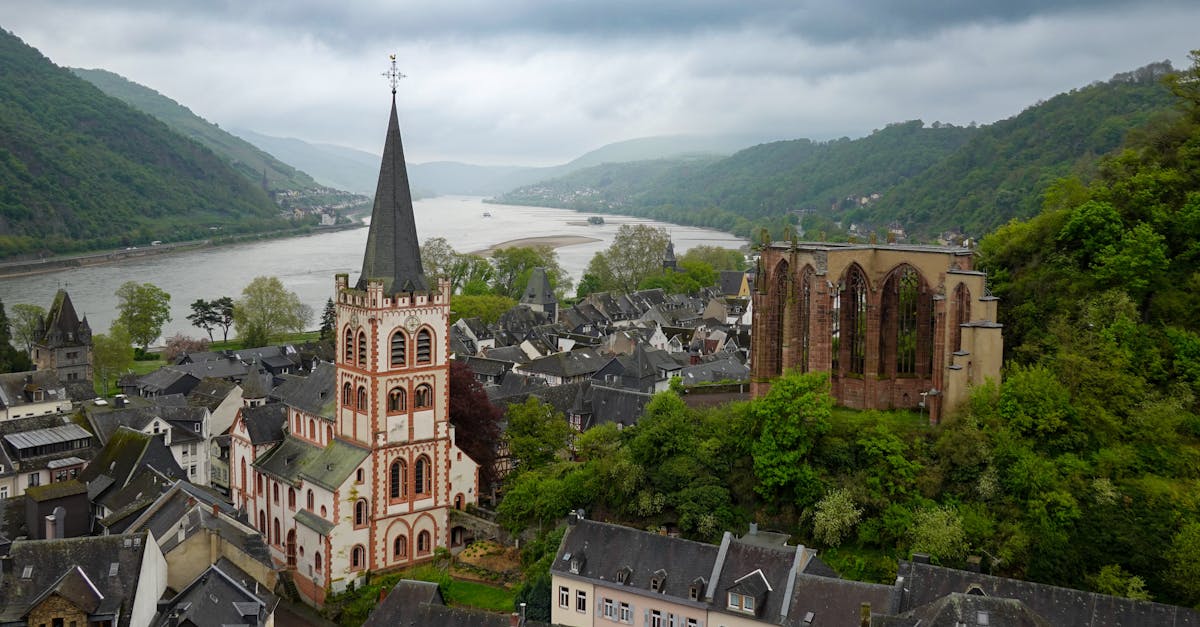
Winding along the romantic banks of the Rhine River, the landscape is punctuated by some of Europe's most breathtaking Gothic masterpieces, with the Cologne Cathedral standing as an undeniable icon. Its twin spires, piercing the sky at 157 meters, have dominated the cityscape since construction began in 1248, serving as a testament to centuries of dedication and intricate stone craftsmanship that took nearly 600 years to complete. Visitors are often left breathless not only by the sheer scale of the structure but also by its interior, where soaring vaulted ceilings and vast stained-glass windows bathe the nave in a kaleidoscope of divine light, creating an atmosphere of profound spiritual awe.
Beyond Cologne, the river valley itself serves as an open-air museum of Gothic architecture, featuring other magnificent structures like the Limburg Cathedral and the stunning St. Martin's Church in Koblenz, each telling a unique story of medieval piety and engineering prowess. These cathedrals were not merely places of worship but also symbols of civic pride and power, often rising from the very heart of bustling trade towns that flourished thanks to the Rhine's economic importance. As you explore these historic sites, walking through their shadowed cloisters and admiring the delicate tracery of their facades, you gain a deeper appreciation for how these architectural wonders have weathered wars and time, remaining vibrant centers of community life and cultural heritage in modern Germany.
 This photo was taken by Magda Ehlers on Pexels.
Bauhaus and Beyond: The Modernist Revolution
In the heart of Germany's architectural narrative, the Bauhaus movement stands as a revolutionary beacon that reshaped not only cities but the very philosophy of living. Emerging in Weimar in 1923 under the visionary leadership of Walter Gropius, this school championed the radical idea that form must follow function, stripping away unnecessary ornamentation to reveal the essential beauty of structure and material. Visitors today can trace this legacy through the iconic white cubic forms of the Dessau Bauhaus Building or the vibrant, geometric housing estates in Berlin, where the marriage of art, craft, and technology created a new aesthetic language that continues to influence global design.
Beyond the strict confines of the original Bauhaus era, the spirit of modernism evolved into a diverse tapestry of German innovation that defines the country's contemporary skyline. From the sleek, glass-encased towers of Frankfurt's financial district to the sustainable, eco-conscious designs of Hamburg's HafenCity, architects have pushed boundaries while honoring the modernist roots of clarity and efficiency. This evolution demonstrates how Germany has seamlessly blended its historical reverence for craftsmanship with forward-thinking sustainability, offering travelers a unique journey from the soaring spires of Gothic cathedrals to the minimalist marvels that characterize the nation's present-day urban landscape.
 This photo was taken by Polina Zimmerman on Pexels.
A Seamless Blend: Historic Preservation Meets Contemporary Design
Germany's architectural landscape offers a captivating dialogue between the past and present, where centuries-old Gothic cathedrals stand as solemn sentinels alongside sleek, glass-clad skyscrapers. In cities like Berlin and Cologne, you will witness this seamless blend firsthand; ancient stone facades are often preserved with meticulous care while their interiors or surrounding blocks are reimagined with contemporary materials and functions. This approach ensures that the spiritual grandeur of medieval structures is not lost but rather enhanced by modern interventions that respect historical context while meeting today's functional needs.
This harmonious coexistence extends beyond mere juxtaposition to a thoughtful integration seen in projects like the Reichstag Dome in Berlin, where Norman Foster's futuristic glass canopy crowns a historic parliament building, symbolizing transparency and progress. Similarly, the Museum Island in Berlin and the redevelopment of the Ruhr Valley demonstrate how industrial heritage sites are transformed into vibrant cultural hubs through innovative design. As a visitor, you experience a unique narrative where every step reveals how Germany honors its rich architectural lineage while boldly embracing the future, creating urban environments that are both deeply rooted and dynamically evolving.
 This photo was taken by Erik Mclean on Pexels.