Beer Gardens and Breweries: A Guide to Local Lager Culture
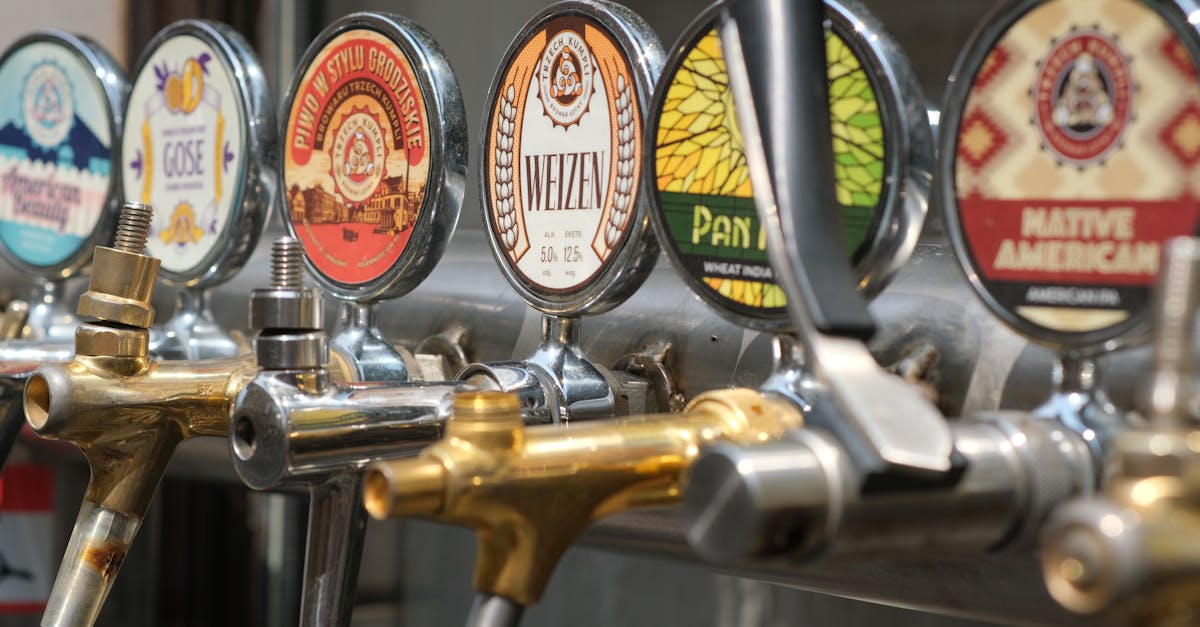 This photo was taken by Roman Biernacki on Pexels.
Guten Tag and welcome to the heart of German hospitality! There is perhaps no experience more quintessentially German than gathering under the shade of chestnut trees with a frosty mug of lager in hand. From the historic beer halls of Munich to the craft revolution brewing in Berlin, our country's relationship with beer goes far beyond mere refreshment; it is a living tradition woven into the fabric of daily life. In this guide, we will explore the unspoken rules that govern the bustling Biergarten, take you on a journey through regional breweries across the nation, and help you master the art of pairing your favorite local lagers with traditional snacks and seasonal delights. Get ready to raise your glass and discover the true taste of Germany.
The Art of the Biergarten: Etiquette and Traditions
 This photo was taken by Erik Mclean on Pexels.
From Bavaria to Berlin: A Journey Through Regional Breweries
Journeying from the rolling hills of Bavaria to the vibrant streets of Berlin reveals the diverse tapestry of German brewing traditions, each region offering a unique flavor profile rooted in history. In the south, particularly around Munich and Nuremberg, the strict Reinheitsgebot purity law is still revered as you explore centuries-old family breweries where golden lagers are served in traditional wooden beer gardens under chestnut trees. These establishments often feature communal seating and hearty pretzels, creating an atmosphere where locals gather to celebrate "Gemütlichkeit" (coziness), while visitors can tour historic cellars to witness the slow fermentation process that defines the region's iconic Helles and Weissbier styles.
In contrast, the journey northward to Berlin introduces a dynamic shift towards modern craft innovation and international influences, transforming the city into a hub for experimental brews alongside its historic Pilsner heritage. Here, former industrial sites have been repurposed into trendy microbreweries that challenge conventional tastes with hop-forward IPAs, sour ales, and seasonal fruit-infused lagers, all while maintaining a connection to the local drinking culture through lively taprooms and rooftop terraces. This evolution reflects Berlin's eclectic spirit, proving that while the southern regions honor the past with solemn tradition, the capital embraces the future by constantly redefining what it means to enjoy a locally brewed pint in a cosmopolitan setting.
 This photo was taken by Matej on Pexels.
Pairing Perfectly: Traditional Snacks and Seasonal Specials
No visit to a German beer garden is complete without indulging in the culinary traditions that perfectly complement the crisp, golden lagers. The quintessential pairing is undoubtedly the Brezel, a soft pretzel dusted with coarse salt, which offers a satisfying chew and a salty crunch that balances the bitterness of hops. For those seeking something heartier, Obatzda, a creamy spread made from camembert, butter, paprika, and onions, served alongside warm radishes or fresh bread rolls, provides a rich flavor profile that enhances the malty notes of the beer. These snacks are not merely appetizers but essential components of the social ritual, encouraging guests to linger longer at their wooden tables while enjoying the communal atmosphere.
As the seasons shift, so too do the seasonal specials that bring unique character to the local lager culture. During the autumn months, breweries often introduce pumpkin-flavored beers paired with hearty Leberkäse sandwiches, while winter brings the warmth of spiced Glühwein (mulled wine) alongside roasted chestnuts and gingerbread cookies in festive markets. In the spring, lighter wheat beers are frequently matched with fresh asparagus dishes, known as Spargelzeit, showcasing how regional produce dictates the menu. Whether you are sipping a refreshing Helles on a sunny terrace or warming up with a dark Bock in a cozy courtyard, these traditional and seasonal pairings ensure that every sip tells a story of German heritage and hospitality.
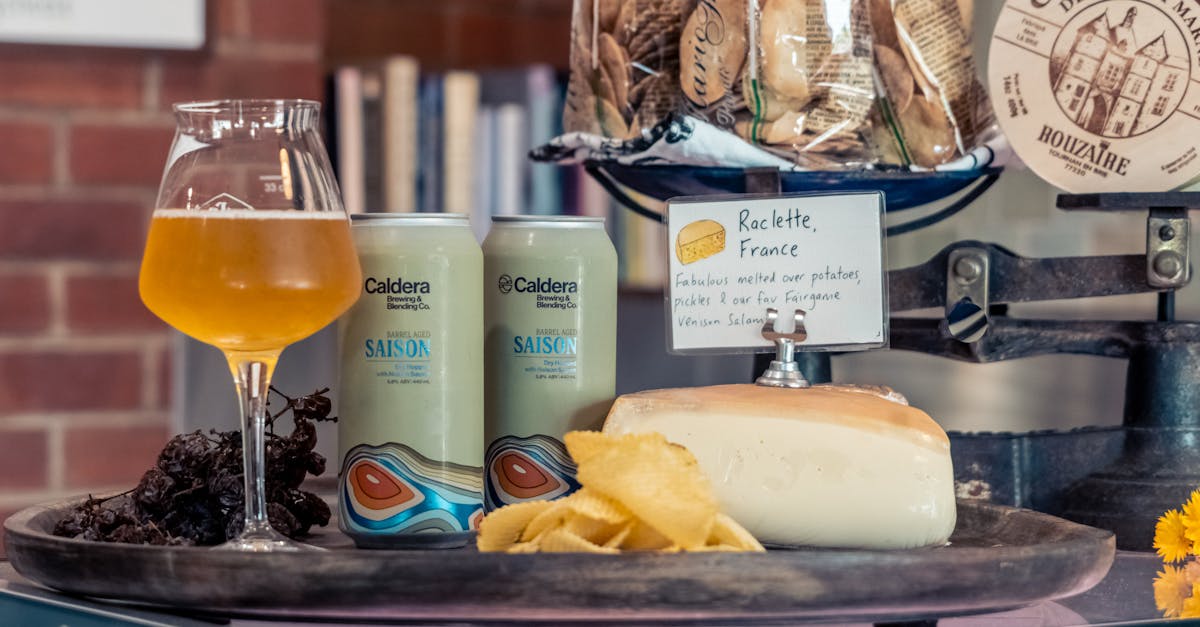 This photo was taken by suellen baker on Pexels.