Beer Gardens and Oktoberfest: A Complete Guide
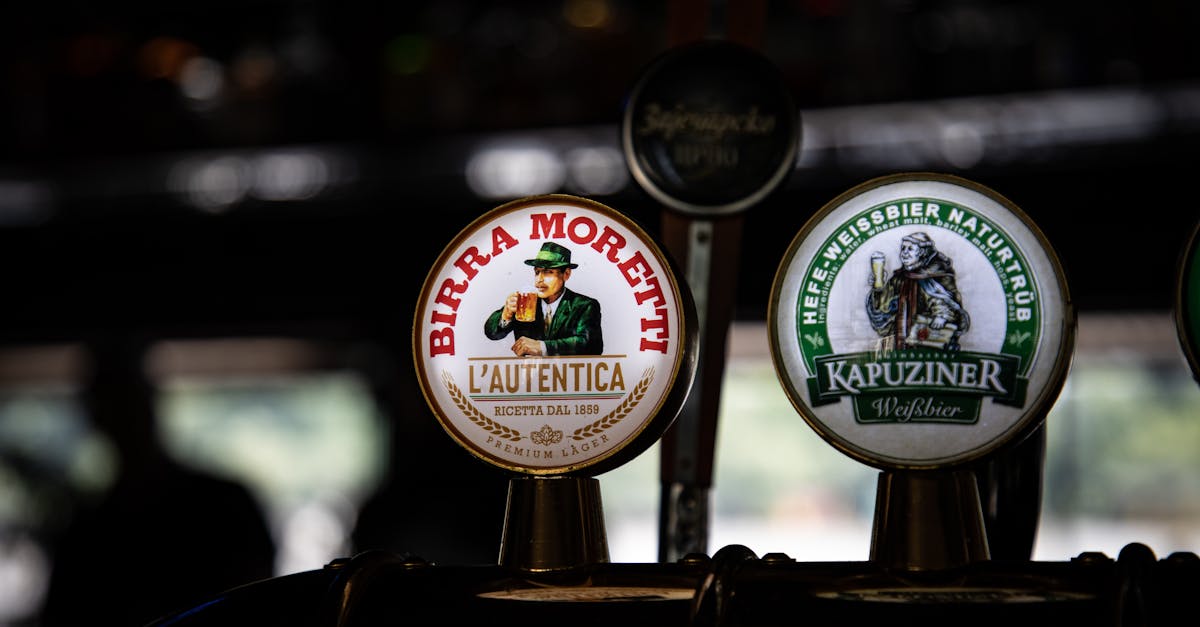 This photo was taken by Boris Hamer on Pexels.
Welcome to the heart of German culture, where the clinking of steins is the universal language and the smell of roasted chicken wafts through the air. Whether you are a seasoned beer enthusiast or a curious traveler looking to experience Bavaria's most famous traditions, this guide is your passport to understanding the magic behind Germany's beloved brewing heritage. From the rustic charm of traditional beer gardens with their shared tables and hidden local favorites to the electric atmosphere of Munich's Oktoberfest and the unique seasonal celebrations found in every corner of the country, we will walk you through everything you need to know. Get ready to raise your glass as we explore the etiquette, history, and flavors that make these experiences truly unforgettable.
The Art of the Beer Garden: Etiquette and Hidden Gems
Navigating the etiquette of a traditional Bavarian beer garden is essential for an authentic experience, as these communal spaces operate on unique social rules that differ from standard bars. The golden rule to remember is "Bring your own food", known locally as Brettljause; while many establishments now offer snacks, it is customary and often encouraged to bring your own picnic spread to share at long wooden tables. Furthermore, seating is rarely reserved by individuals; instead, you must be willing to share your bench with strangers, fostering a lively atmosphere where conversation flows freely between locals and visitors alike. Always wait to be served at the table rather than ordering at a counter, and never lift your glass unless everyone else has raised theirs in a toast.
Beyond the well-known giants like Munich's famous Hofbräuhaus or the sprawling grounds of Oktoberfest, Germany hides countless charming beer gardens tucked away in historic cellars, along riverbanks, and within lush city parks. Seek out the Stammhaus of lesser-known breweries such as the Augustiner-Bräu in Munich or the idyllic Gasthaus zur Sonne in Heidelberg, where the atmosphere feels timeless and the beer is often drawn directly from the cask below. These hidden gems often feature shaded lime tree alleys and stone fountains, offering a serene escape from the tourist crowds while providing the perfect backdrop for enjoying a crisp Weissbier alongside local specialties like pretzels, obatzda cheese spread, and fresh radishes.
 This photo was taken by Erik Mclean on Pexels.
Oktoberfest 101: Navigating Munich's Biggest Celebration
Oktoberfest, the world's largest Volksfest, transforms Munich's Theresienwiese into a vibrant spectacle of tents, brass bands, and endless merriment every late September to early October. While often synonymous with beer, this festival is deeply rooted in Bavarian tradition, offering visitors a chance to experience authentic culture through massive beer halls like the Schottenhamel or Hofbräu-Festzelt, where communal tables encourage strangers to become friends over steins of Maßkrug. Navigating the event requires a bit of strategy; arriving early is essential for securing a seat in popular tents, as they fill up by 10:00 AM on weekends, and understanding that "first come, first served" rules apply strictly within the beer gardens themselves.
Beyond the iconic tents, the fairground offers a rich tapestry of attractions ranging from thrilling roller coasters and carnival games to traditional agricultural exhibits that showcase the region's heritage. To truly embrace the spirit of Oktoberfest, guests should dress in traditional Tracht, such as Lederhosen for men and Dirndls for women, which not only honors local customs but also helps you blend seamlessly into the festive crowd. Remember that the celebration extends well beyond the grounds, with countless beer gardens and open-air venues throughout Munich staying lively until late at night, making it the perfect backdrop for an unforgettable German autumn experience.
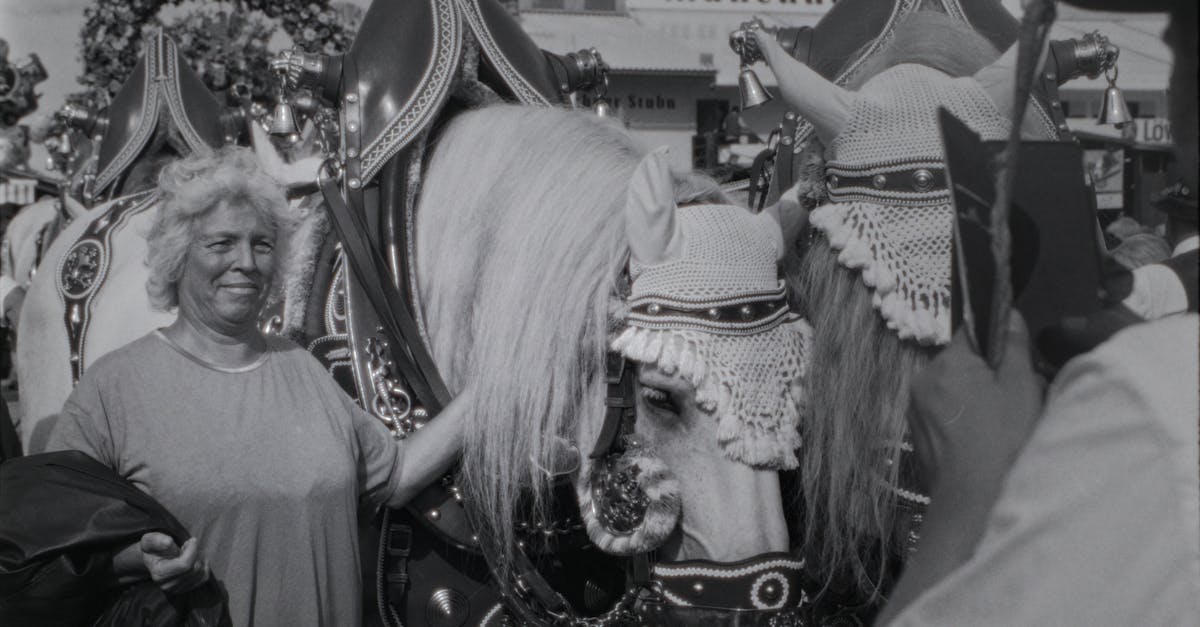 This photo was taken by Alex Moschopoulos on Pexels.
Beyond the Festival: Seasonal Beer Traditions Across Germany
While Oktoberfest dominates the global imagination, Germany's beer culture is a year-round celebration deeply rooted in local seasonal rhythms. In the autumn and winter months, many regions transition from open-air beer gardens to cozy, wood-paneled beer halls where hearty stews and roasted meats accompany dark, malty winter beers like Maibock or Christmas bock. These gatherings often coincide with traditional harvest festivals, such as the Wurstmarkt in Bad Dürkheim, which holds the title of the world's largest wine festival but features an equally robust beer scene, inviting visitors to experience the warmth of communal dining as the leaves turn gold. The atmosphere shifts from the festive chaos of Munich's Theresienwiese to intimate, candlelit settings where locals share stories over long tables, emphasizing the social ritual of drinking just as much as the beverage itself.
As spring arrives, the tradition of "Maibock" takes center stage, signaling the end of winter and the arrival of warmer days with stronger, golden ales that are traditionally enjoyed in anticipation of the new growing season. By early summer, the famous "Biergarten" culture reaches its peak, transforming parks, riverbanks, and castle grounds into sprawling outdoor lounges where families and friends gather under chestnut trees to enjoy crisp lagers alongside their own brought-in picnics. This custom, particularly prevalent in Bavaria and Franconia, encourages a relaxed, democratic spirit where the only rule is often simply enjoying the company and the view, proving that the true essence of German beer traditions lies not just in the grand festivals, but in these daily, seasonal rituals that bind communities together throughout the changing calendar.
This photo was taken by Erik Mclean on Pexels.