Beer Gardens and Oktoberfest: The Complete Guide to German Brewing Culture
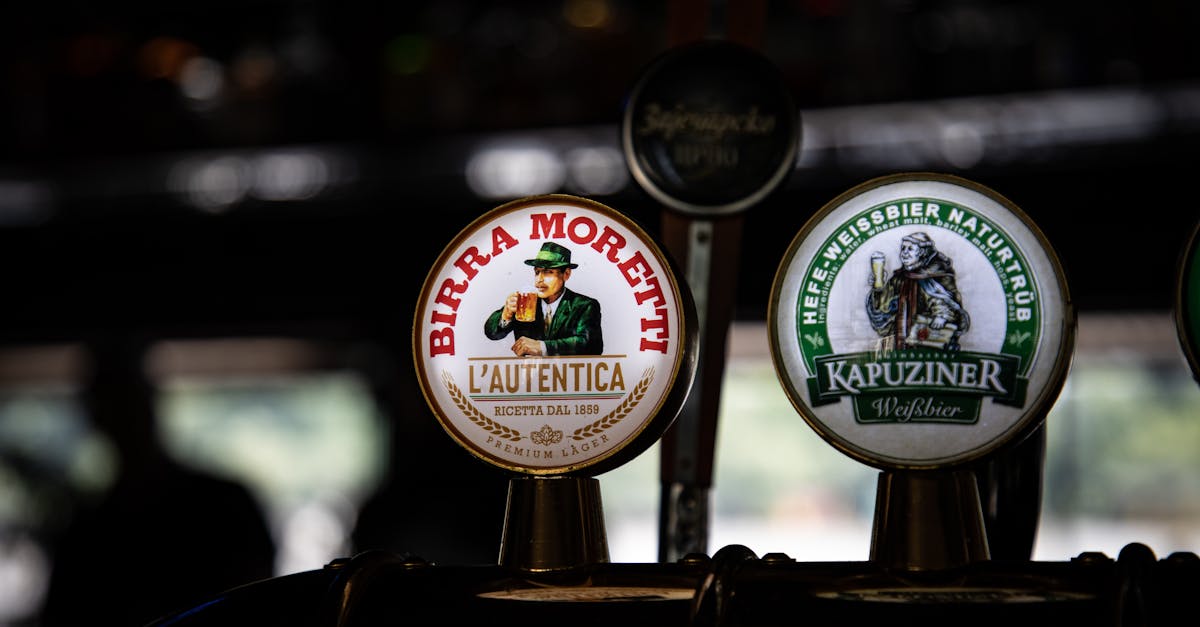 This photo was taken by Boris Hamer on Pexels.
Welcome to the heart of German culture, where a simple glass of beer is far more than just a drink—it is a social ritual, a celebration of history, and a way of life. Whether you are drawn to the rustic charm of a sun-dappled Biergarten under an old chestnut tree or the electric atmosphere of Munich's massive Festzelts during Oktoberfest, Germany offers an unparalleled brewing experience for every traveler. In this guide, we will navigate from finding the best local spots to decoding the unwritten rules of garden etiquette that locals cherish, ensuring your visit feels authentic and respectful. But the journey doesn't end in September; we'll also explore a year-round calendar of festivals across the country, proving that the love of good beer knows no seasonal boundaries. Get ready to raise your stein and discover the true spirit of German brewing.
From Local Biergartens to Munich's Festzelts: Where to Find the Best Beer
Immerse yourself in the authentic heart of Bavarian brewing culture by visiting traditional Biergärten, where long wooden tables encourage strangers to become friends over a frosty liter of Hell or Weissbier. Unlike modern bars, these open-air sanctuaries often require you to bring your own food while enjoying the beer, creating a relaxed atmosphere under the shade of chestnut trees that defines summer evenings in Munich and beyond. Whether you are sipping a crisp pilsner at the historic Augustiner-Keller or watching the sunset from a rustic table in the Englischer Garten, the focus is always on the social ritual of sharing a drink with locals who take their brewing heritage seriously.
For those seeking an immersive spectacle, the world-renowned Festzelts of Oktoberfest offer a grander scale of celebration, transforming vast fields into bustling tents filled with thousands of revelers raising steins in unison. Here, the six official breweries of Munich serve their finest seasonal brews alongside hearty dishes like roasted chicken and pork knuckles, all within a festive environment that pulses with live brass bands and traditional yodeling. While the local biergartens provide a taste of daily life, the Festzelts represent the pinnacle of German hospitality, inviting visitors to partake in a centuries-old tradition that celebrates the art of fermentation and the joy of communal gathering on a massive, unforgettable stage.
 This photo was taken by Loic Van Montagu on Pexels.
Decoding the Rules of the Garden: Etiquette and Traditions You Must Know
Navigating the social codes of a German beer garden begins with understanding the unique "bring your own food" tradition, known as Mitbringsel. Unlike standard restaurants, these open-air venues often prohibit outside alcohol but enthusiastically welcome guests to bring their own snacks, such as pretzels, cold cuts, or salads, which are typically served on communal wooden tables without cutlery provided. This custom encourages a relaxed, communal atmosphere where strangers become friends over shared plates and clinking mugs, but it is crucial to remember that tipping is not automatic; you must explicitly ask for the bill ("die Rechnung bitte") rather than leaving money on the table, and always return your empty glass to the counter before ordering more.Respect for local traditions also dictates specific seating etiquette, particularly during peak seasons like Oktoberfest when space is at a premium. In many traditional establishments, it is considered polite to share long benches with other patrons if your party does not fill the entire table, though it is perfectly acceptable to reserve a seat by placing a personal item like a jacket or hat on an empty spot while you step away briefly. Furthermore, never raise your voice excessively or start shouting until everyone in your group has been served, and be mindful that the iconic Stein (beer mug) should only be lifted after a toast has been made with eye contact and a cheerful "Prost!" to ensure a harmonious and authentic experience within Germany's beloved brewing culture. This photo was taken by Erik Mclean on Pexels.
Beyond Oktoberfest: A Year-Round Calendar of German Brewing Festivals
While Oktoberfest in Munich captures the global imagination, Germany's brewing culture thrives year-round through a vibrant calendar of regional festivals that offer equally authentic experiences without the overwhelming crowds. In early spring, the "Frühlingsfest" in Munich transforms the Theresienwiese into a lively celebration of new beer harvests, while further north, Hamburg's "Altonaer Bierfest" and Cologne's "Bier & Musik Festival" showcase local malts paired with traditional brass bands. As summer unfolds, the "Bayerischer Biergarten Tag" invites visitors to explore hundreds of open-air gardens across Bavaria, where families gather under chestnut trees for long tables of Weissbier and hearty pretzels, proving that the spirit of German brewing is not confined to a single autumn event but is woven into the fabric of every season.The autumn and winter months bring a cozy yet spirited continuation of this tradition, shifting focus from large-scale tents to intimate town square gatherings known as "Kellerfeste." Cities like Berlin host the "Berliner Festwoche," featuring craft breweries experimenting with seasonal flavors, while historic towns such as Bamberg celebrate their renowned Rauchbier with specialized tasting events that highlight centuries-old smoking techniques. Even during the coldest days, festivals like the "Winterbiermarkt" in Nuremberg or the "Schlenkerla" celebrations in Franconia provide warm havens where locals and tourists alike can enjoy steaming mugs of dark, robust ales alongside roasted almonds and spiced wine, ensuring that the journey through German brewing culture remains a delightful discovery regardless of the time of year.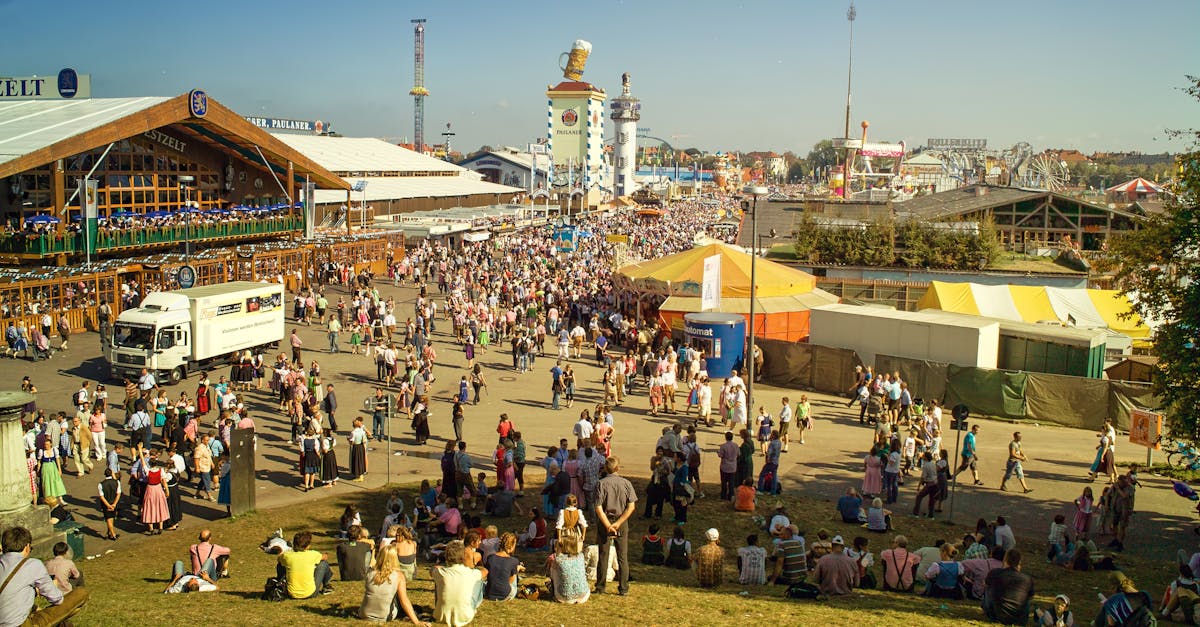 This photo was taken by Johannes Plenio on Pexels.