Berlin Beyond the Wall: A Modern City's Vibrant Art Scene
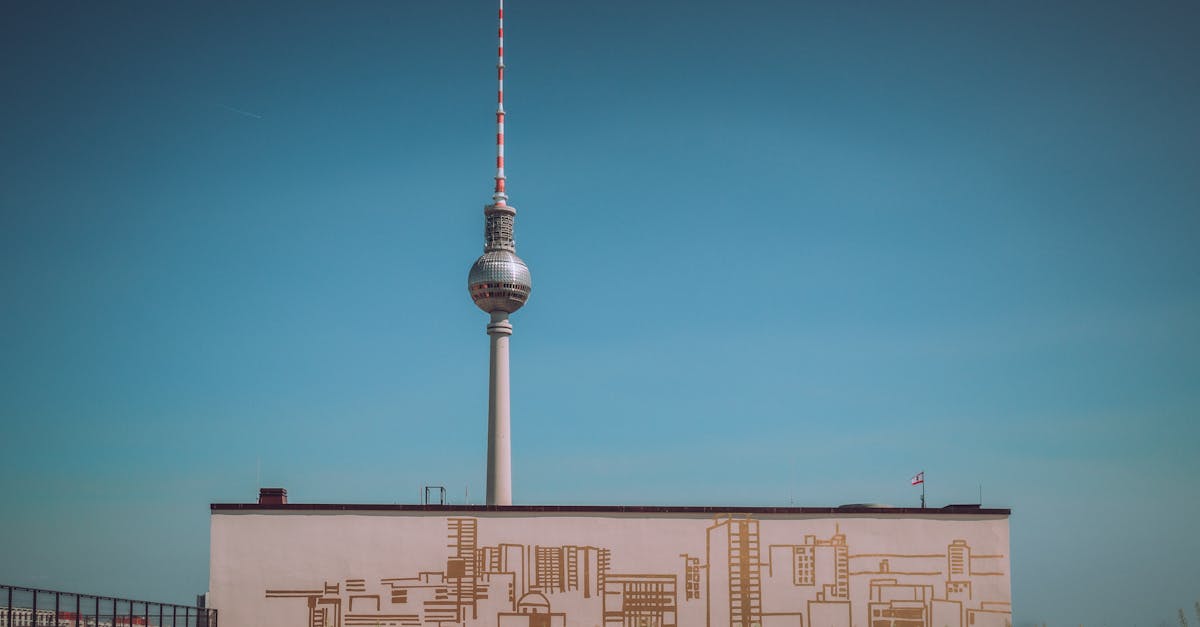 This photo was taken by Katja L. on Pexels.
Welcome to Berlin, a city where the past and future dance in a dynamic embrace. While the world still remembers the Berlin Wall as a symbol of division, today it serves as the backdrop for one of Europe's most exhilarating open-air galleries. In this post, we journey beyond the concrete barriers to explore how Berlin has transformed into a global capital of contemporary expression. From the iconic murals lining the longest remaining stretch of the wall to the gritty, evolving streetscapes of Kreuzberg, and finally to the secret corners where underground artists reveal their masterpieces, you are invited to discover the vibrant artistic soul that beats within this modern metropolis.
The East Side Gallery: Where History Meets Contemporary Canvas
Stretching along 1.3 kilometers of the original Berlin Wall, the East Side Gallery stands as the world's largest open-air gallery, transforming a symbol of division into a vibrant testament to freedom and unity. Following the fall of the wall in 1989, over 100 artists from around the globe seized this unique opportunity to paint their visions on the remaining concrete slabs, creating an enduring mosaic of hope that captures the spirit of the era. Iconic works like Dmitri Vrubel's "Fraternal Kiss" or Birgit Kinder's "Test the Best" invite visitors to walk through history while witnessing how contemporary art can heal old wounds, making this stretch of the Spree River not just a historical site, but a living, breathing conversation between past and present.
Today, the gallery serves as more than a mere tourist attraction; it is a dynamic canvas where local and international creators continue to add layers of meaning to the city's complex narrative. While some sections have been meticulously restored to preserve the original masterpieces, others have evolved with new murals that address modern themes such as climate change, migration, and social justice, ensuring the wall remains a relevant voice in today's discourse. As you stroll beneath these colorful walls, you are not only exploring Berlin's artistic renaissance but also engaging with a powerful reminder that even the most impenetrable barriers can be broken down by the unifying power of creativity and human expression.
 This photo was taken by Erik Mclean on Pexels.
Street Art in Kreuzberg: The Pulse of Urban Creativity
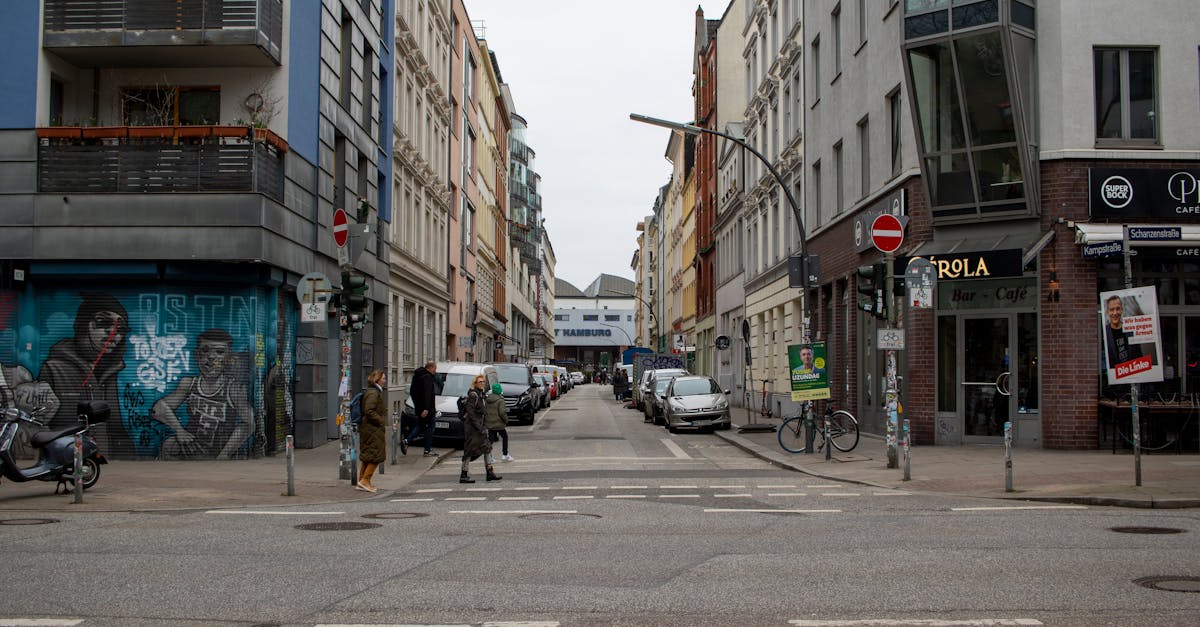
Stepping into Kreuzberg feels like entering an open-air gallery where the city's history and modern rebellion collide on every wall. Once a border zone during the Cold War, this district now thrives as Berlin's most dynamic canvas for street art, with iconic works by international legends like Banksy and local heroes adorning former no-man's-land buildings. As you wander past the legendary RAW-Gelände or along the remnants of the East Side Gallery that extend into the neighborhood, you'll discover that these murals are more than just decoration; they are living documents of social commentary, political protest, and cultural evolution that capture the raw, unfiltered spirit of the city.
The true pulse of this urban creativity beats strongest in the narrow alleyways and hidden courtyards, where artists constantly repaint over old layers to create ever-changing mosaics of color and meaning. Unlike traditional museums, the streets here offer a democratic experience where art is free, accessible 24/7, and deeply integrated into daily life, inviting visitors to engage with the community's ongoing dialogue. Whether you are catching a glimpse of a massive stencil piece near Oranienstraße or exploring the underground graffiti scenes in abandoned factories, Kreuzberg proves that Berlin's art scene is not merely about aesthetics but about the continuous, vibrant conversation between the artist and the public.
 This photo was taken by Frank Rietsch on Pexels.
Galleries and Underground Spaces: Discovering Berlin's Hidden Artistic Gems
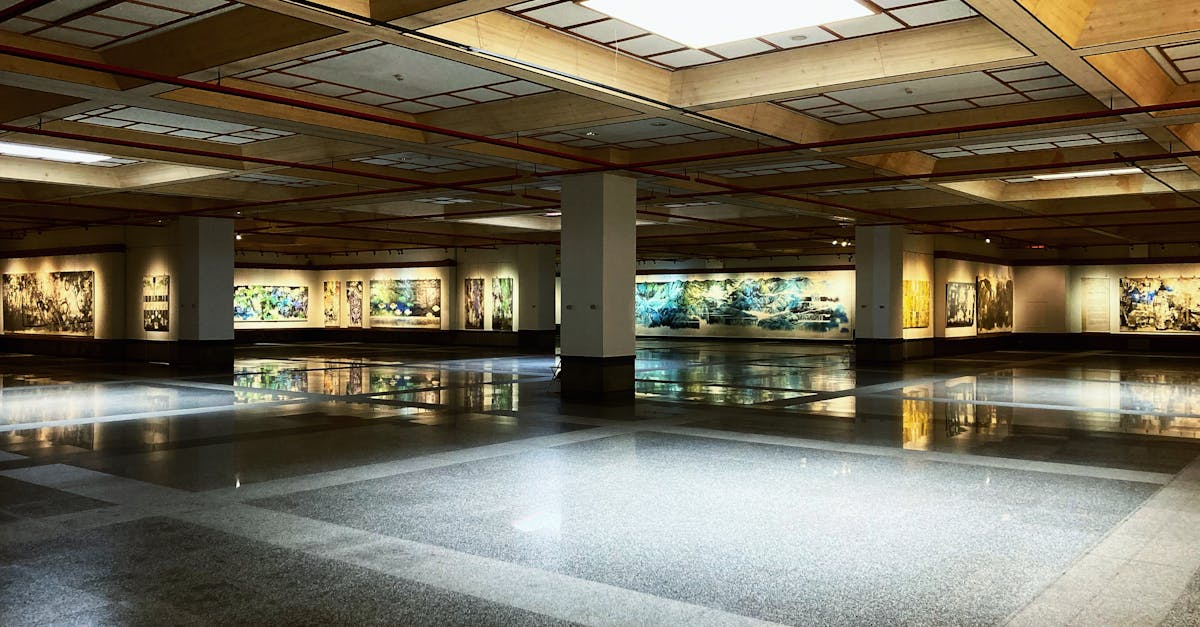
Beyond the iconic street art that adorns the East Side Gallery, Berlin's artistic soul often beats strongest in its repurposed industrial underbellies. The city has masterfully transformed forgotten bunkers, abandoned power plants, and subterranean tunnels into vibrant galleries that challenge conventional exhibition spaces. In districts like Kreuzberg and Neukölln, hidden staircases lead visitors down to underground venues where contemporary installations interact with raw concrete walls, creating an immersive atmosphere that mirrors the city's own layered history. These secret spots offer a unique perspective on modern German creativity, where artists utilize the echoey acoustics and dim lighting of former utility rooms to craft thought-provoking experiences that feel both intimate and revolutionary.
Exploring these clandestine spaces reveals a dynamic network of pop-up exhibitions and artist-run collectives that operate just beneath the city's bustling surface. From the historic Tiergarten bunker now serving as a cutting-edge photography gallery to the labyrinthine passages of former U-Bahn stations hosting experimental sound art, Berlin refuses to let its cultural heritage remain static. Visitors who venture off the beaten path will discover how local creators are reclaiming these underground sanctuaries not merely for storage or transit, but as vital canvases for social commentary and avant-garde expression. This hidden layer of the art scene invites tourists to look deeper, uncovering a world where the past's shadows provide the perfect backdrop for the future's brightest ideas.
 This photo was taken by ON VIXION on Pexels.