Berlin's Street Art Scene and Underground Culture Explained
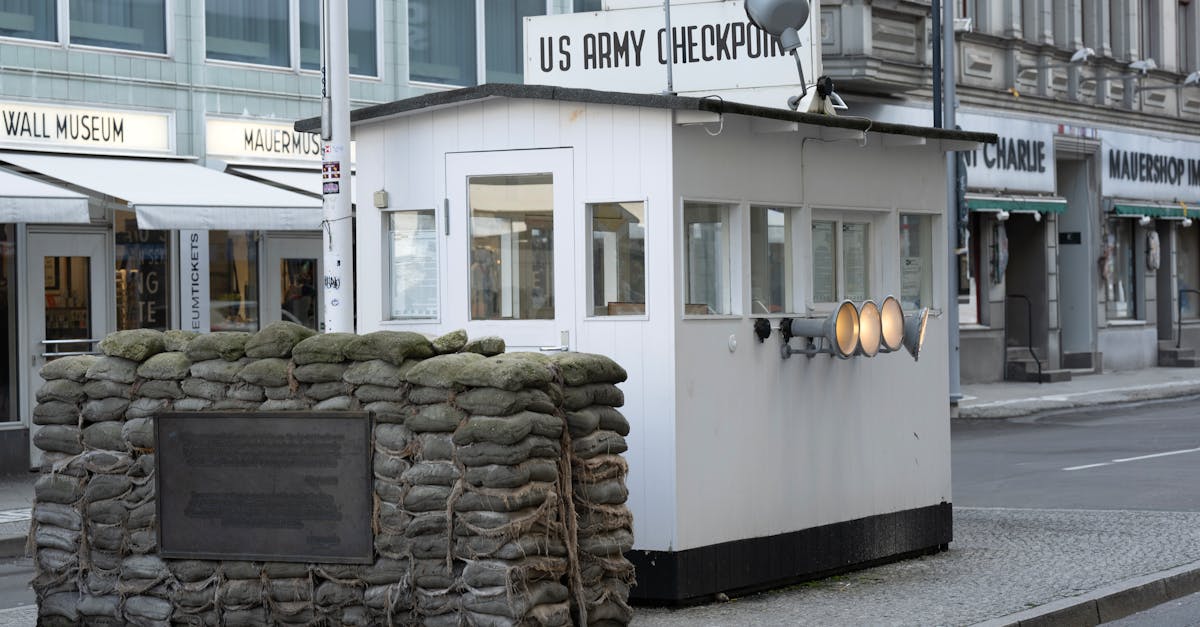 This photo was taken by Miguel Cuenca on Pexels.
Welcome to the vibrant heart of Germany's capital, where history and modernity collide in a spectacular display of creativity. Berlin is not just a city of monuments; it is an open-air gallery that breathes life into every corner, telling stories of freedom, rebellion, and artistic expression. From the iconic remnants of the Cold War to the pulsating rhythm of its underground clubs, this metropolis invites you to look beyond the surface. In this post, we will guide you through the legendary East Side Gallery, dive deep into Kreuzberg's electric nightlife, and reveal the hidden murals waiting to be discovered on guided tours. Get ready to explore the raw, unfiltered soul of Berlin.
The East Side Gallery: A Canvas of History and Freedom
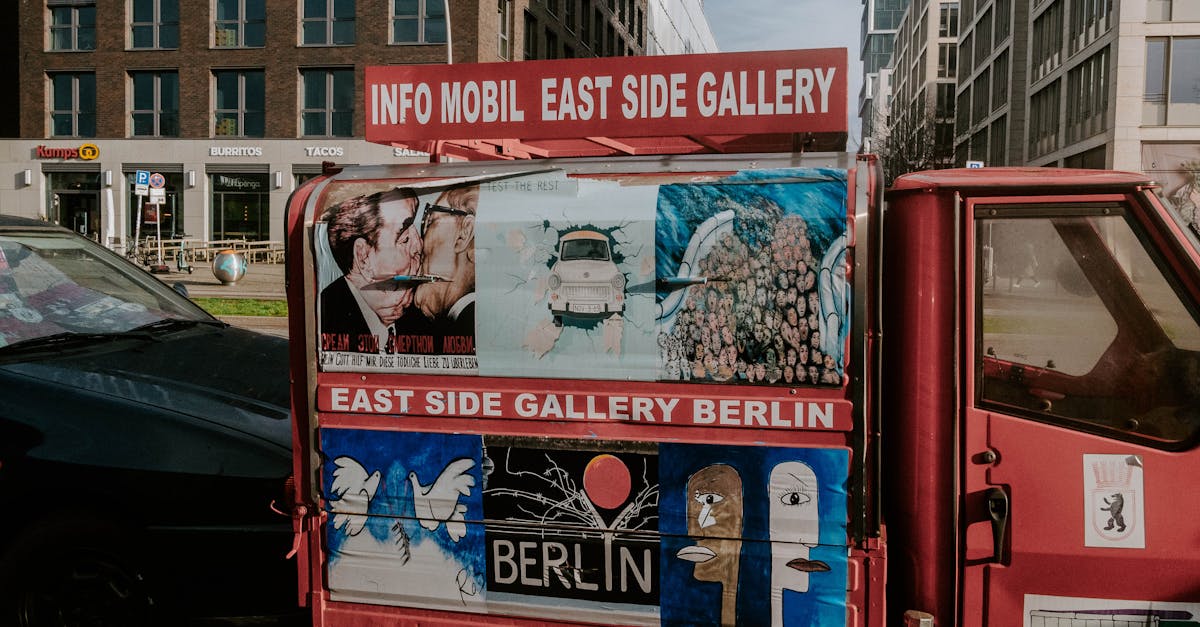
Stretching along a 1.3-kilometer section of the Berlin Wall, the East Side Gallery stands as the world's largest open-air gallery and a powerful testament to the fall of communism. Originally painted in 1990 by artists from over 20 countries shortly after the wall's opening, this vibrant stretch of concrete is now an enduring symbol of freedom and unity. Visitors are immediately struck by iconic masterpieces like Dmitri Vrubel's "Fraternal Kiss," which captures the historic meeting between Brezhnev and Honecker, contrasting sharply with the raw, colorful expressions of hope that now cover the grey monoliths. Walking here feels like stepping into a living history book, where every brushstroke tells a story of resistance, reconciliation, and the enduring human spirit.
Beyond its historical significance, the East Side Gallery remains a dynamic hub for contemporary street art, constantly evolving as new layers of creativity are added to protect and preserve this unique cultural landmark. While some original murals have faded or been restored due to weathering, the site continues to attract local and international artists who seek to engage with its legacy through modern interpretations of peace and liberty. As you wander past these massive canvases under the blue sky of Friedrichshain-Kreuzberg, you witness the seamless blend of Germany's turbulent past with its vibrant present, making it an essential stop for anyone seeking to understand the soul of Berlin's underground culture and its journey toward a free future.
 This photo was taken by Daniel Ellis on Pexels.
Beyond the Walls: Exploring Kreuzberg's Underground Clubs
Just beyond the imposing remnants of the Berlin Wall, Kreuzberg pulses with a raw energy that defines the city's underground spirit. This district is home to legendary venues like Berghain and Tresor, where massive industrial halls have been transformed into sanctuaries for techno enthusiasts from around the globe. Here, the music is not merely entertainment but a communal ritual, often lasting until sunrise, drawing crowds who seek an escape from the ordinary in spaces characterized by stark concrete walls, dim lighting, and an unspoken code of respect and freedom. The atmosphere is electric, fueled by the collective desire to lose oneself in the rhythm while surrounded by the gritty, authentic history of a neighborhood that once stood on the front lines of division.
While the clubs provide the sonic backbone of this subculture, the streets outside serve as a living canvas that complements the auditory experience. Alleyways and backstreets are adorned with vibrant murals and stencils that evolve constantly, reflecting the political and social currents of the moment. Exploring these hidden passages reveals a dialogue between the transient art on the walls and the permanent structures of the past, creating a unique narrative that only those willing to venture off the beaten path can truly appreciate. Whether you are navigating the labyrinthine bars or discovering a secret entrance tucked behind a graffiti-covered door, Kreuzberg offers an immersive journey into the heart of Berlin's most rebellious and creative soul.
 This photo was taken by Jean-Paul Wettstein on Pexels.
Street Art Tours: Uncovering Berlin's Hidden Murals
Berlin's urban landscape serves as an open-air gallery where the city's complex history and vibrant present collide, making street art tours an essential experience for any visitor seeking to understand the German capital beyond its famous landmarks. Guided through neighborhoods like Kreuzberg, Friedrichshain, and Neukölln, these tours reveal massive murals that often span entire building facades, telling stories of political resistance, social change, and artistic rebellion. From the legendary East Side Gallery remnants to hidden alleyways in Mitte, expert guides lead you away from the tourist crowds to discover works by both internationally renowned artists and local underground talents who use concrete walls as their canvas, offering a raw and unfiltered perspective on Berlin's soul.
What truly sets these explorations apart is the opportunity to engage with the community behind the paint, learning how the city's unique legal framework regarding graffiti has fostered one of Europe's most dynamic street art scenes. As you wander through narrow courtyards and abandoned industrial sites, you will encounter pieces that evolve rapidly, reflecting current events and shifting cultural moods in real-time. Whether you are interested in the technical spray-painting techniques used by masters or the deeper socio-political messages embedded in each stroke, this immersive journey transforms ordinary streets into a narrative of resilience and creativity, proving that Berlin's greatest masterpieces are often found just around the corner.
 This photo was taken by Ejov Igor on Pexels.