Berlin's Underground Culture: Street Art, Clubs, and History
 This photo was taken by Parth Patel on Pexels.
Welcome to Berlin, a city where the pavement tells stories as vividly as its skyline. Often celebrated for its vibrant street art and legendary nightlife, Berlin's true soul lies beneath the surface, hidden in alleyways, abandoned bunkers, and neon-lit dance floors that never sleep. In this post, we will peel back the layers of this dynamic metropolis to explore the graffiti galleries that serve as an open-air museum, decode the mysterious allure of our after-hours club culture, and uncover the shadows of the past lurking within forgotten underground tunnels. Get ready to discover a Berlin you've never seen before.
Graffiti Galleries: A Walk Through Berlin's Open-Air Museum
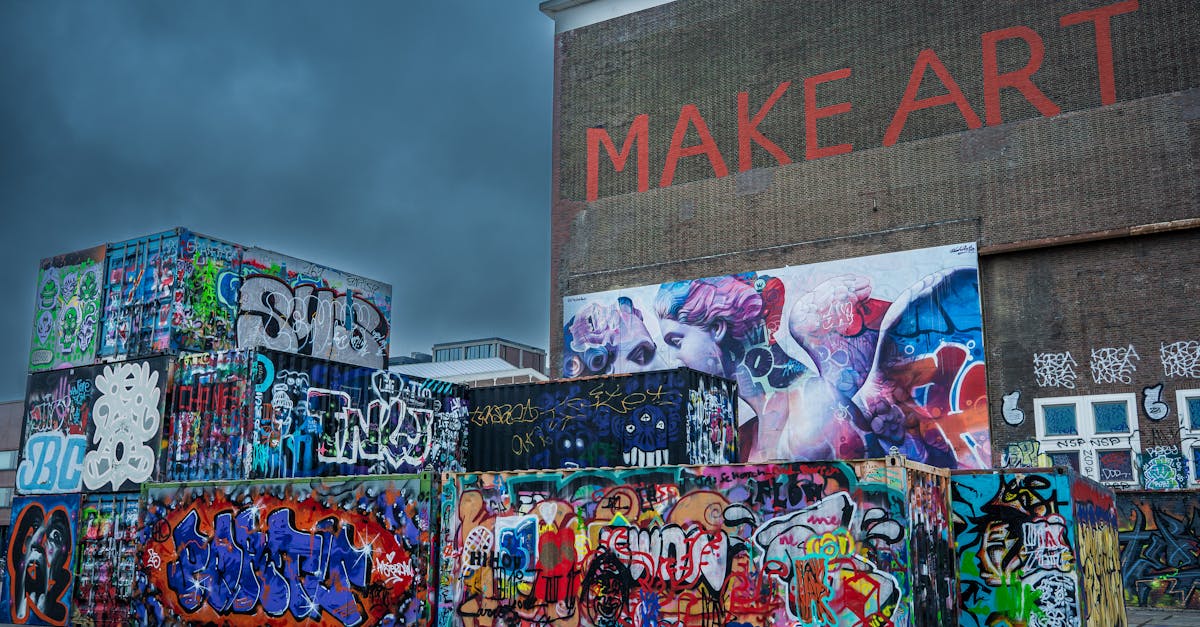
Beyond the historic landmarks of Brandenburg Gate and the Reichstag lies a vibrant, ever-changing canvas that defines Berlin's creative soul: its extensive network of graffiti galleries. Often referred to as an open-air museum, these designated walls—most notably in districts like Kreuzberg, Friedrichshain, and Neukölln—offer a dynamic exhibition where international artists and local legends converge to transform urban decay into high art. Unlike illegal tagging, which is strictly prohibited in most areas, these sanctioned zones invite visitors to wander through a living gallery where bold murals, intricate stencils, and colorful abstract pieces tell stories of political resistance, cultural identity, and social change, making every stroll a unique encounter with the city's pulsating artistic heartbeat.
What truly sets Berlin's street art scene apart is its democratic nature and historical depth; many of these works serve as visual chronicles of the city's division and reunification, capturing the raw emotions of a society in flux. Guided tours often lead travelers down narrow alleyways where layers of paint reveal the evolution of styles over decades, from the early days of the Wall to the explosive creativity of the 1990s and today's contemporary masterpieces. By engaging with this underground culture, tourists gain more than just photo opportunities; they experience a profound connection to Berlin's resilient spirit, understanding how the city turned its concrete surfaces into powerful platforms for free expression and global dialogue.
 This photo was taken by Martijn Stoof on Pexels.
The After-Hours Scene: Decoding the City's Legendary Club Culture
As the sun sets over the Spree, Berlin transforms from a historic capital into an epicenter of nocturnal wonder, where the legendary club culture thrives in repurposed industrial spaces. Venues like Berghain and Tresor are not merely nightclubs but cultural institutions that operate on their own unique temporal logic, often opening their doors late at night and closing only as the city begins to stir with dawn. The atmosphere inside is defined by a distinct sense of freedom and inclusivity, where strict dress codes are non-existent and the dance floor serves as a sanctuary for self-expression, allowing visitors to lose themselves in hypnotic techno rhythms that echo through vast, concrete halls once used for heavy manufacturing.
Navigating this after-hours landscape requires a touch of local wisdom, as entry can be selective and the lineups of discerning bouncers are part of the ritual itself. Beyond the famous mega-clubs, the scene extends into smaller, intimate bars and underground squats scattered throughout neighborhoods like Kreuzberg and Friedrichshain, offering a more accessible yet equally authentic glimpse into the city's artistic soul. For the intrepid tourist, exploring these venues provides more than just entertainment; it offers a profound connection to Berlin's history of resilience and its enduring spirit of counter-culture, making the experience of dancing until sunrise an unforgettable chapter in any journey through Germany's most dynamic metropolis.
 This photo was taken by Erik Mclean on Pexels.
Shadows of the Past: History Hidden in Underground Bunkers and Tunnels
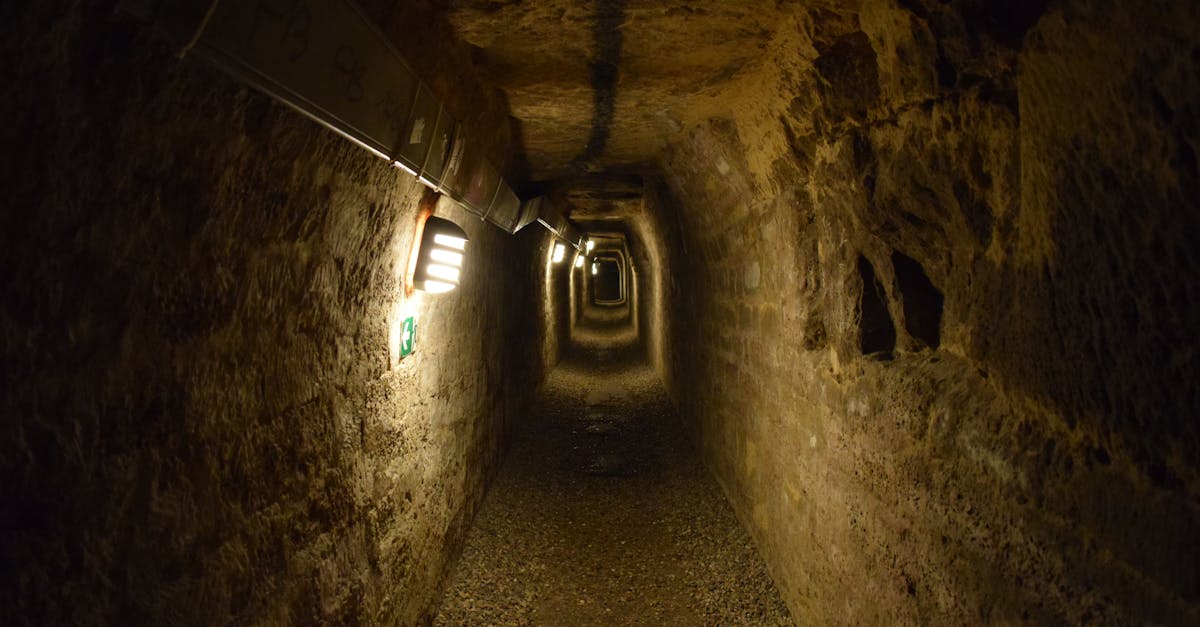
While the bustling streets of Berlin are famous for their vibrant energy, a more somber narrative lies just beneath your feet in the city's labyrinthine network of abandoned bunkers and tunnels. These concrete structures, remnants of World War II and the Cold War era, stand as silent witnesses to a turbulent past that shaped modern Germany. Guided tours often lead visitors through dimly lit corridors where the air is thick with history, revealing former command centers, bomb shelters, and even secret escape routes used during the division of the city. Walking these underground passages offers a visceral connection to the shadows of the past, transforming what were once sites of fear and confinement into powerful educational experiences that challenge our understanding of resilience and survival.
Beyond their historical significance, these subterranean spaces have undergone a remarkable transformation, blending their grim origins with Berlin's contemporary underground culture. In some locations, the stark concrete walls now serve as canvases for striking street art, creating a surreal juxtaposition between political graffiti and military architecture. Meanwhile, other disused tunnels have been repurposed into intimate club venues or hidden bars, where techno beats echo off the same walls that once housed wartime machinery. This unique fusion of dark heritage and creative rebirth allows tourists to experience Berlin not just as a monument to its history, but as a living city that constantly reinterprets its scars into new forms of expression and community.
 This photo was taken by Fernanda W. Corso on Pexels.