Berlin's Vibrant Street Art and Underground Culture
 This photo was taken by Max Kladitin on Pexels.
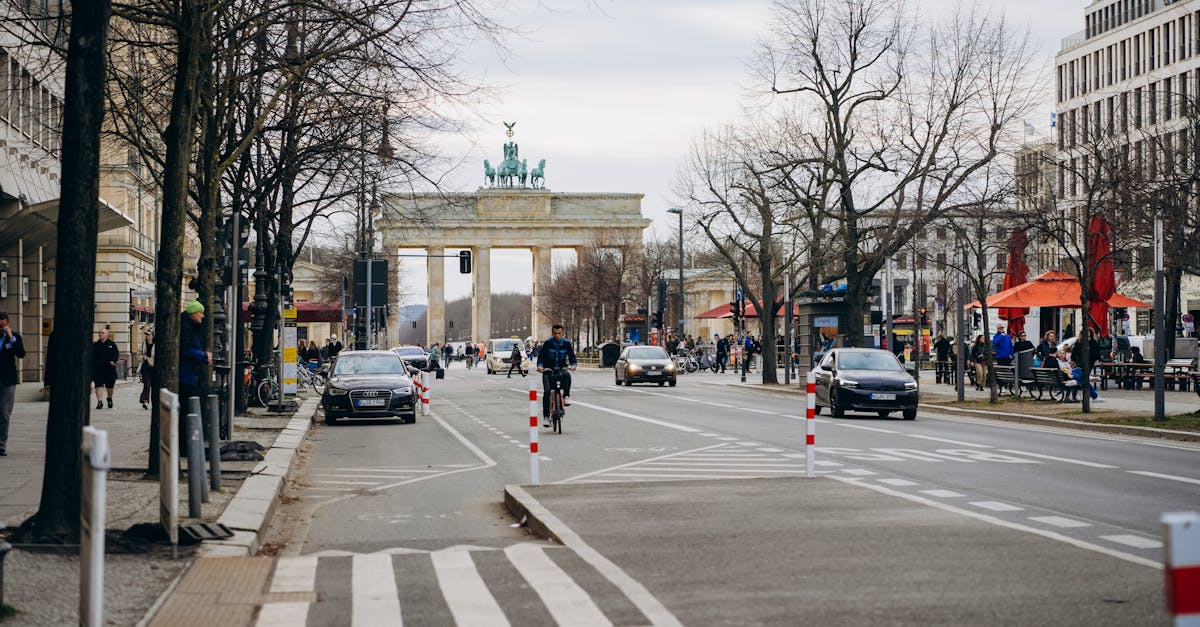
Welcome to Berlin, a city where the concrete walls whisper stories of resilience and the streets pulse with an electric energy that never sleeps. As your guide through Germany's dynamic capital, I invite you to step beyond the well-trodden paths of museums and monuments to discover the raw, unfiltered soul of this metropolis. From the iconic murals that once divided a nation to the hidden speakeasies tucked beneath bustling neighborhoods, Berlin is a living canvas where history and modern creativity collide. In this post, we will explore how the East Side Gallery stands as a monumental testament to freedom, dive into the artistic heartbeat of Kreuzberg and Friedrichshain, and venture off the beaten track to uncover secret galleries and underground venues that define the true spirit of Berlin.
The East Side Gallery: A Canvas of History and Freedom
Stretching along a 1.3-kilometer section of the Berlin Wall, the East Side Gallery stands as the world's longest open-air gallery, transforming a symbol of division into a vibrant testament to freedom and unity. Following the fall of the Iron Curtain in 1989, over 100 artists from around the globe were invited to paint murals on the remaining concrete slabs, creating a powerful visual narrative that captures the euphoria of reunification and the enduring human spirit. Iconic works like Dmitri Vrubel's "The Fraternal Kiss" and Birgit Kinder's "Test the Best" continue to draw visitors from every corner of the earth, offering a poignant reminder of how art can heal historical wounds and inspire hope for a peaceful future.
Beyond its historical significance, the East Side Gallery remains a dynamic hub where past and present collide, reflecting Berlin's unique blend of gritty authenticity and creative energy. While the original murals have faced challenges from weather and vandalism, ongoing restoration efforts ensure that these masterpieces endure, serving as an ever-evolving canvas for new generations of activists and artists. Walking along this stretch of Spree riverbank, tourists are not merely observing static images but are immersed in a living dialogue about democracy, resistance, and the unbreakable desire for liberty that defines the city's underground culture today.
 This photo was taken by Daniel Ellis on Pexels.
Kreuzberg and Friedrichshain: The Heartbeat of Urban Creativity
 This photo was taken by anna-m. w. on Pexels.
Secret Speakeasies and Underground Galleries Beyond the Tourist Trail
While the East Side Gallery draws massive crowds, the true pulse of Berlin's nightlife often beats within hidden speakeasies tucked behind unmarked doors or disguised as ordinary laundromats and bakeries. These clandestine bars, scattered throughout neighborhoods like Kreuzberg and Neukölln, offer an intimate escape where craft cocktails are served under dim lighting while locals discuss the latest underground rave or political debate. Finding them requires a bit of insider knowledge or simply following the subtle clues left by street artists on nearby walls, but once inside, you will discover a world where the vibrant graffiti culture outside seamlessly transitions into the eclectic decor and curated playlists that define this city's rebellious spirit.
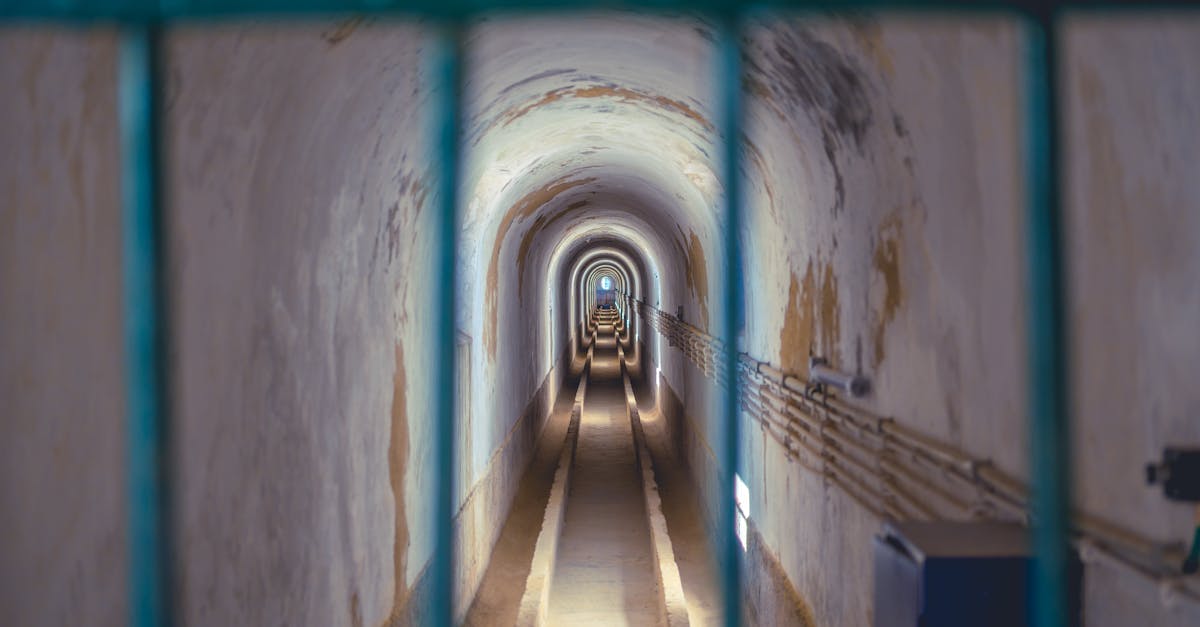
Beyond the bars, Berlin's artistic soul thrives in secret galleries and abandoned industrial spaces that operate without official signage, often accessible only through word-of-mouth or private invitations. These ephemeral exhibition spaces transform forgotten factories and basement cellars into immersive canvases for avant-garde installations, showcasing works from emerging artists who challenge societal norms with raw, unfiltered creativity. Unlike the polished museums of central Berlin, these underground venues provide a unique opportunity to engage directly with the city's most daring cultural movements, offering a genuine glimpse into the alternative scene that has made Berlin a global beacon for non-conformist art and thought.
 This photo was taken by Nuno Magalhães on Pexels.