Beyond Beer: A Comprehensive Guide to German Wine Regions
 This photo was taken by Erik Mclean on Pexels.
When travelers think of German viticulture, the image of a stein of frothy beer often springs to mind first, yet this perception overlooks a world-class wine culture that has flourished for centuries along our rivers. From the steep, slate-covered slopes of the Mosel where Riesling thrives in the cool climate, to the sun-drenched terraces of the Rheingau producing elegant Pinot Noir, Germany offers a diverse tapestry of flavors waiting to be explored. This guide invites you to step beyond the brewery and into the vineyard, uncovering the secrets of our white and red gems while learning how to harmonize these exquisite vintages with traditional regional delicacies. Whether you are a seasoned oenophile or a curious visitor, prepare to discover the true taste of Germany.
Discovering the Vineyards of the Mosel and Rheingau
Begin your wine journey along the winding waters of the Mosel, where steep, slate-covered slopes create a dramatic backdrop for some of the world's most elegant Rieslings. As you wander through historic villages like Bernkastel-Kues or Cochem, the air is often filled with the crisp aroma of ripening grapes and the gentle hum of local vineyard workers tending to their terraced plots. Here, the wine culture is deeply intertwined with tradition; many family-run wineries invite visitors for intimate tastings that showcase the unique mineral character imparted by the region's ancient soil, offering a perfect pairing with fresh river fish or local cheeses in a cozy Gasthaus.
Just a short train ride away, the Rheingau offers a contrasting yet equally captivating experience, characterized by its south-facing vineyards that bask in ample sunlight along the Rhine River. This prestigious region is renowned for producing powerful, dry Rieslings as well as exquisite Spätburgunder (Pinot Noir), reflecting a sophisticated blend of old-world charm and modern viticultural excellence. A visit to the charming town of Rüdesheim provides an ideal base for exploring grand estates and enjoying panoramic views from the Niederwald Monument, allowing you to savor a glass of fine German wine while watching the sunset paint the river in hues of gold and amber.
 This photo was taken by Rafael Gonzales on Pexels.
A Sommelier's Guide to Germany's White and Red Gems
 This photo was taken by Min An on Pexels.
Pairing Local Delicacies with Regional Vintages
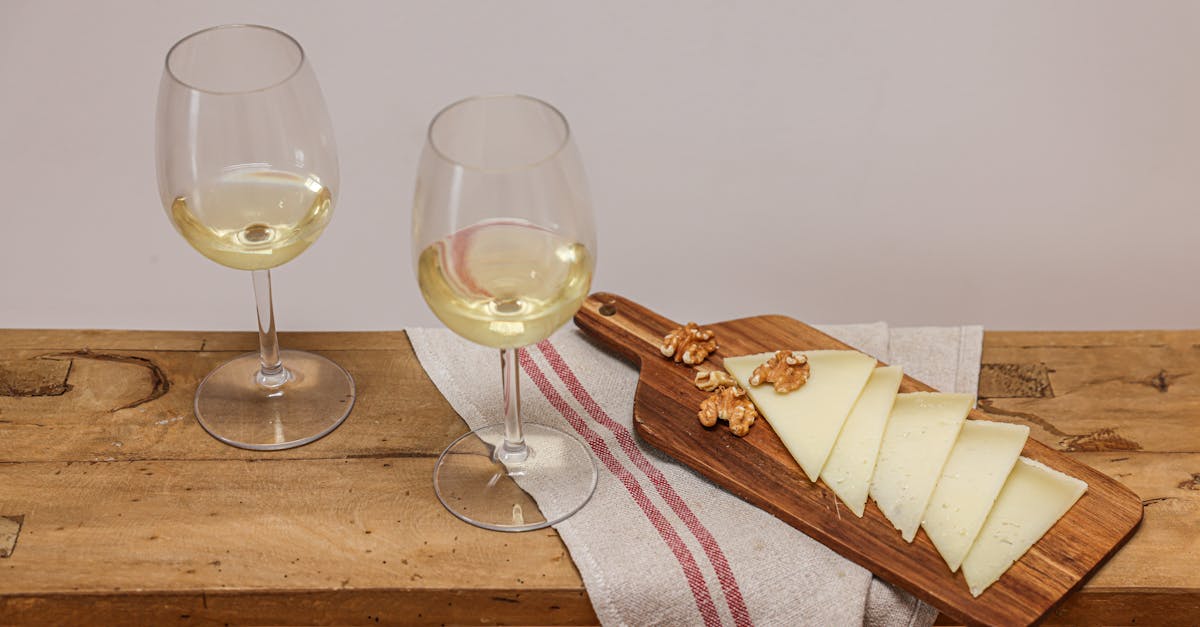
While Germany is globally renowned for its beer culture, the country's culinary landscape offers a sophisticated symphony of regional pairings that elevate any dining experience. In the lush vineyards of the Mosel, delicate Rieslings with their signature slate-driven acidity and notes of green apple perfectly complement the region's famous smoked fish dishes, such as the "Gründerkaviar" made from local carp roe. Similarly, travelers venturing into Baden should seek out the spicy, full-bodied Spätburgunder (Pinot Noir) to match with hearty Black Forest ham or rich game stews, creating a harmonious balance where the wine's tannins cut through the fat while echoing the earthy flavors of the forest.
As you explore these diverse terroirs, understanding the specific food-wine connections transforms a simple meal into an immersive cultural journey. In the Franken region, known for its distinctive Bocksbeutel bottles, the robust Silvaner pairs exceptionally well with traditional Franconian sausages and potato dumplings, offering a mineral finish that cleanses the palate between bites. Whether you are sipping a crisp Grauburguer alongside fresh Bavarian pretzels in the Pfalz or enjoying a sweet Auslese with almond cake in the Rheingau, these curated combinations invite you to look beyond the pint glass and discover the profound depth of German viticulture and gastronomy.
 This photo was taken by Cup of Couple on Pexels.