Beyond Beer: Exploring Germany's Diverse Culinary Scene
 This photo was taken by Pami Avilés on Pexels.
While the world often associates Germany with its legendary beer gardens and crisp pilsners, our culinary landscape offers a far richer tapestry of flavors waiting to be discovered. From the hearty, slow-cooked stews of the Black Forest to the delicate seafood dishes of the North Sea coast, every region tells a unique story through its ingredients and traditions. In this post, we invite you to step beyond the pint glass and embark on a gastronomic journey that celebrates everything from centuries-old pastry recipes to the cutting-edge sustainable fine dining revolution currently transforming our cities. Get your appetite ready, because there is so much more to taste in Germany than you might imagine.
Regional Specialties: A Journey from Bavaria to the North
Begin your gastronomic odyssey in the sun-drenched south, where Bavaria's hearty traditions reign supreme. Here, the culinary landscape is defined by robust flavors and communal dining, best experienced with a crisp Weisswurst served at dawn alongside sweet mustard, or a towering Schweinshaxe (pork knuckle) that has been slow-roasted until the skin crackles. While beer culture is omnipresent, the region offers a deeper narrative through its dumplings (Knödel) and creamy cheese sauces found in alpine huts, creating a warm, rustic atmosphere that invites travelers to savor every bite of this southern heritage.
As you travel northward across the country, the cuisine shifts dramatically from rich meats to the bounty of the sea and coastal plains. In Schleswig-Holstein and along the North Sea coast, fresh fish takes center stage, particularly the beloved Fischbrötchen—a simple yet exquisite sandwich filled with pickled herring, smoked salmon, or fried plaice on a soft roll. Moving inland towards Hamburg and Lower Saxony, you will discover delicate potato dishes like Kartoffelsalat dressed in tangy vinaigrette rather than mayo, alongside savory pies and regional sausages that reflect the cooler climate and maritime influences, proving that Germany's food scene is as varied as its geography.
 This photo was taken by Tommes Frites on Pexels.
Sweet Delights: Germany's Hidden Gem of Pastry and Desserts
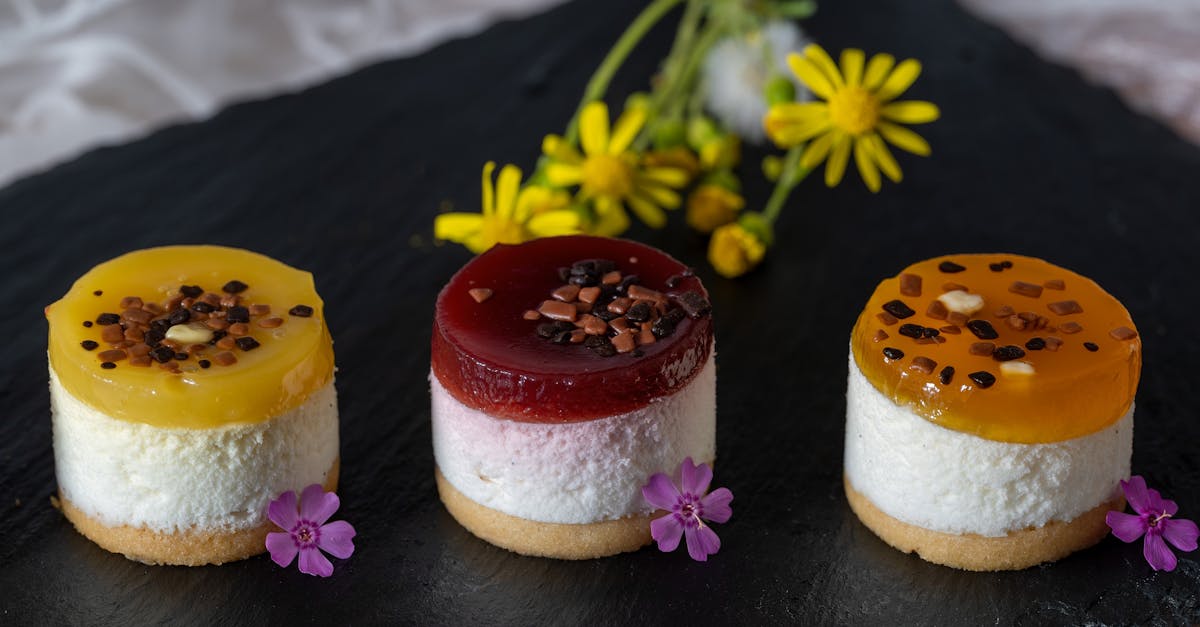
While Germany is globally renowned for its beer halls, the country's confectionery culture offers a truly enchanting alternative that often goes unnoticed by first-time visitors. From the flaky, buttery layers of the Black Forest cake (Schwarzwälder Kirschtorte) to the delicate, almond-dusted macarons found in Berlin's trendy bakeries, German pastries are a testament to meticulous craftsmanship and regional pride. In cities like Munich and Hamburg, you can discover centuries-old patisseries where bakers still use traditional wood-fired ovens, serving up warm Apfelstrudel dusted with powdered sugar or rich chocolate tortes that rival those of Paris. Each bite tells a story of local ingredients and generations of culinary heritage, proving that dessert here is an art form deeply rooted in daily life.
Exploring these sweet delights extends beyond major urban centers into charming villages where seasonal specialties take center stage. During autumn, the scent of spiced Lebkuchen fills the air at Christmas markets, while spring brings fresh fruit tarts made with locally grown berries from the Rhineland. For the adventurous foodie, trying a Berliner Pfannkuchen—a jelly-filled doughnut without a hole—or indulging in a slice of Käsekuchen, a creamy cheesecake distinct from its American counterpart, provides a genuine taste of German sweetness. These hidden gems invite travelers to slow down, savor the moment, and appreciate the diverse flavors that make Germany's culinary landscape so much more than just sausages and beer.
 This photo was taken by Gundula Vogel on Pexels.
Modern Gastronomy: The Rise of Sustainable Fine Dining
 This photo was taken by Kristina Paukshtite on Pexels.