Beyond Beer and Bratwurst: Exploring Germany's Diverse Culinary Scene
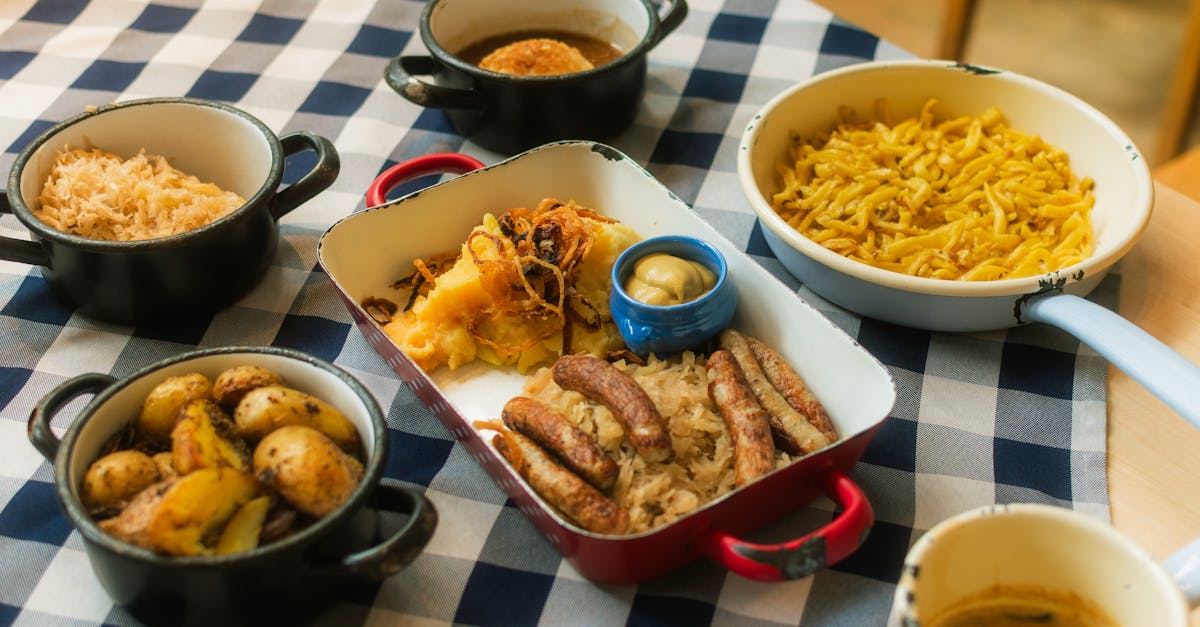 This photo was taken by cami on Pexels.
When travelers think of Germany, the image often conjures up steins of frothy beer and plates of crispy bratwurst. While these iconic staples are undeniably delicious, they represent only a tiny slice of a much richer culinary tapestry. From the sun-drenched vineyards of the south to the historic ports of the north, Germany's food culture is as diverse as its landscapes. In this post, we invite you to step beyond the stereotypes and embark on a gastronomic adventure that celebrates the nation's complex history and vibrant innovation. Join us as we explore everything from legendary desserts and street food favorites to regional treasures and the cutting-edge modern dining scene that is redefining German cuisine today.
From Black Forest Cake to Currywurst: A Sweet and Savory Journey
While the world often associates German cuisine with hearty meats and cold beer, the country's culinary landscape offers a delightful spectrum of flavors that stretch far beyond the grill. In the lush, rolling hills of the Black Forest, visitors are invited to savor the legendary Schwarzwälder Kirschtorte, a decadent masterpiece of chocolate sponge, whipped cream, and cherries steeped in kirsch that perfectly captures the region's sweet traditions. This dessert stands as a testament to Germany's baking prowess, offering a rich, aromatic experience that contrasts beautifully with the savory street food culture found in bustling cities like Berlin. Here, the iconic Currywurst reigns supreme, a post-war invention featuring grilled sausage smothered in a tangy, spiced tomato-curry sauce, often served with fries or a bread roll for a quick, flavorful bite that embodies the nation's modern, cosmopolitan spirit.
This journey from the deep woods to the urban centers reveals a dining culture that is both deeply rooted in history and surprisingly diverse. As you wander through markets in Munich or cozy cafes in Hamburg, you will discover regional specialties that tell stories of local agriculture and historical trade routes, ranging from the delicate fish dishes of the North Sea coast to the robust stews of Bavaria. Whether you are indulging in a flaky apple strudel dusted with powdered sugar or tearing into a crispy Bratwurst with sauerkraut, each meal provides a unique window into the country's varied identity. Germany truly invites travelers to explore a gastronomic adventure where every region whispers its own tale, ensuring that your palate experiences a harmonious blend of sweetness and savoriness long after the last sip of wine has been enjoyed.
 This photo was taken by Julien Goettelmann on Pexels.
Regional Specialties: Discovering the Flavors of Bavaria, Saxony, and Beyond
While the world often associates German cuisine solely with hearty sausages and frothy mugs, venturing into specific regions reveals a tapestry of distinct flavors rooted in local history. In Bavaria, the culinary landscape is dominated by rich, comforting dishes like Weißwurst served with sweet mustard and pretzels, or the iconic Obatzda cheese spread, yet the region also boasts delicate fish soups from its alpine lakes. Moving east to Saxony, the taste profile shifts towards sophisticated pastry arts; here, you will find the famous Dresdner Christstollen, a fruit-laden Christmas bread that has been enjoyed for centuries, alongside savory specialties like Sächsische Saumagen, a unique dish made from a pig's stomach stuffed with meat and potatoes, reflecting the area's agricultural heritage.
Beyond these well-known corners, Germany's diverse culinary scene continues to unfold with surprising depth in every federal state. In the north, coastal winds bring fresh seafood delicacies such as Fischbrötchen and Laberhering, while the southwestern states of Baden-Württemberg offer their own version of spaetzle paired with robust red wines. The country's modern food culture is equally vibrant, where traditional recipes are reimagined by innovative chefs using locally sourced organic ingredients. Whether you are sipping Riesling in the Mosel valley or tasting the smoky flavors of Black Forest ham, exploring these regional specialties offers a delicious journey through Germany's cultural identity that goes far beyond the typical tourist stereotypes.
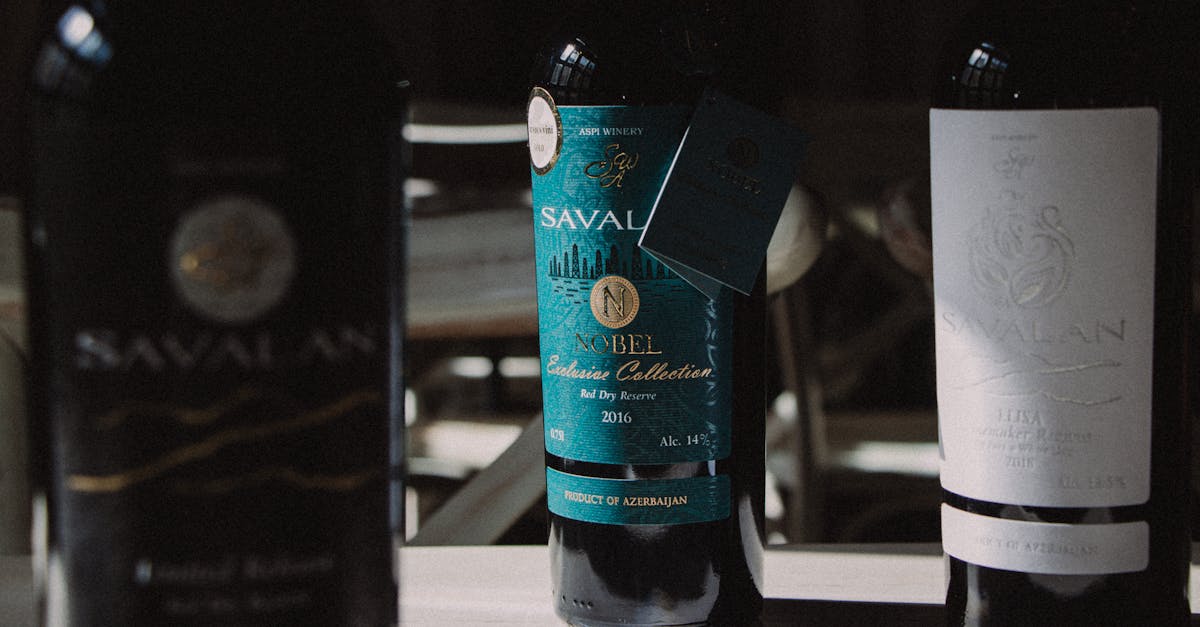 This photo was taken by Rahib Yaqubov on Pexels.
Modern German Cuisine: Where Tradition Meets Innovation
Gone are the days when Germany's culinary reputation was defined solely by hearty sausages and endless steins of beer; today, the nation boasts a vibrant gastronomic landscape where time-honored recipes are reimagined with contemporary flair. In bustling cities like Berlin and Hamburg, Michelin-starred chefs are elevating classic dishes such as Sauerbraten and Rouladen, infusing them with international spices, artistic plating, and sustainable, locally sourced ingredients that honor the land while pushing creative boundaries. This modern evolution is not about abandoning tradition but rather celebrating it through innovation, creating a dining experience that feels both deeply rooted in German heritage and refreshingly forward-thinking.
From the sleek glass walls of avant-garde restaurants in Munich to cozy farm-to-table bistros in the Black Forest, the spirit of "New German Cuisine" invites travelers to explore a diverse array of flavors that challenge preconceived notions. You might find traditional spätzle transformed into delicate risotto-style creations or regional fish specialties served with molecular gastronomy techniques that highlight their natural freshness. By blending the rustic comfort of rural cooking with urban sophistication, Germany has established itself as a premier destination for food lovers seeking an authentic yet dynamic journey through its evolving taste buds, proving that the country's culinary scene is as rich and varied as its history.
 This photo was taken by Saviesa Home on Pexels.