Beyond Beer and Pretzels: Discovering Germany's Regional Cuisine
 This photo was taken by Jens Mahnke on Pexels.
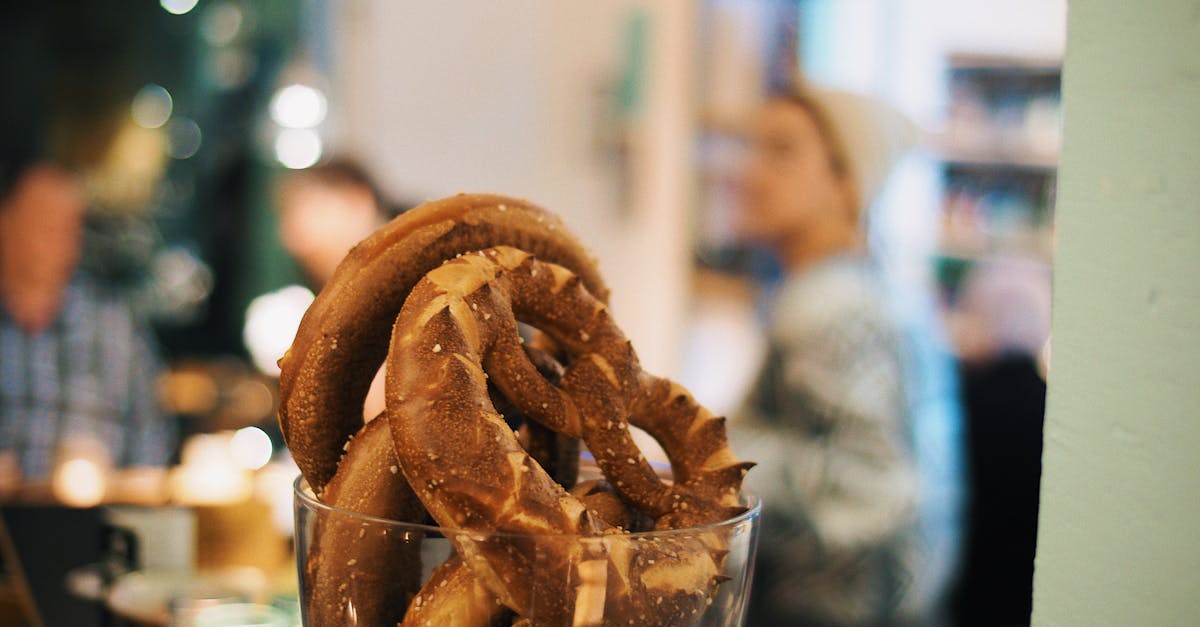
When most travelers dream of Germany, their minds often drift immediately to steins of golden beer and towering pretzels. While these iconic symbols certainly have their place in our culinary landscape, they represent only a fraction of the rich tapestry that is German gastronomy. From the misty peaks of the Alps to the windswept shores of the North Sea, each region boasts a unique flavor profile shaped by centuries of history, local agriculture, and cultural traditions. In this post, we invite you to look beyond the stereotypes and embark on a delicious journey through the diverse tastes of the Länder, exploring hearty mountain feasts, fresh coastal delicacies, and an endless array of sweet treats waiting to be discovered.
The Alpine Feast: Hearty Dishes from Bavaria and Baden-Württemberg
While the world often associates German cuisine with a single plate of sausages and beer, the Alpine regions of Bavaria and Baden-Württemberg offer a culinary landscape defined by rugged traditions and mountainous abundance. In these southern highlands, hearty dishes are born from the necessity of warming travelers against crisp air and steep slopes, resulting in creations like the iconic Käsespätzle, where soft egg noodles are smothered in melted Emmentaler or Bergkäse until golden and bubbling. Further south, near the Swiss border, you will find the delicate yet robust Weisswurst breakfast tradition, best enjoyed before noon with sweet mustard and fresh Brezel, alongside the rich, slow-cooked Leberkäse that serves as a beloved staple for both street food stalls and family tables alike.
The spirit of the Alpine feast extends beyond the main course to include an array of dumplings and stews that showcase the region's deep connection to its pastoral heritage. Imagine sinking your teeth into a fluffy Kartoffelklöße or a savory Semmelknödel, perfect companions for the dark, aromatic Brauwürste or the tender, wine-infused Gulasch found in Baden's kitchens. No meal here is complete without a side of local pickles and a glass of regional Riesling or Spätburgunder, which cut through the richness of the meat and cheese. Whether you are dining in a rustic Gasthaus nestled in the Black Forest or a bustling Biergarten in Munich, these dishes tell a story of resilience and hospitality, proving that Germany's culinary soul is far richer than its famous pretzels alone can suggest.
 This photo was taken by Jean-Paul Wettstein on Pexels.
Coastal Flavors: Seafood and Rye Bread in the North
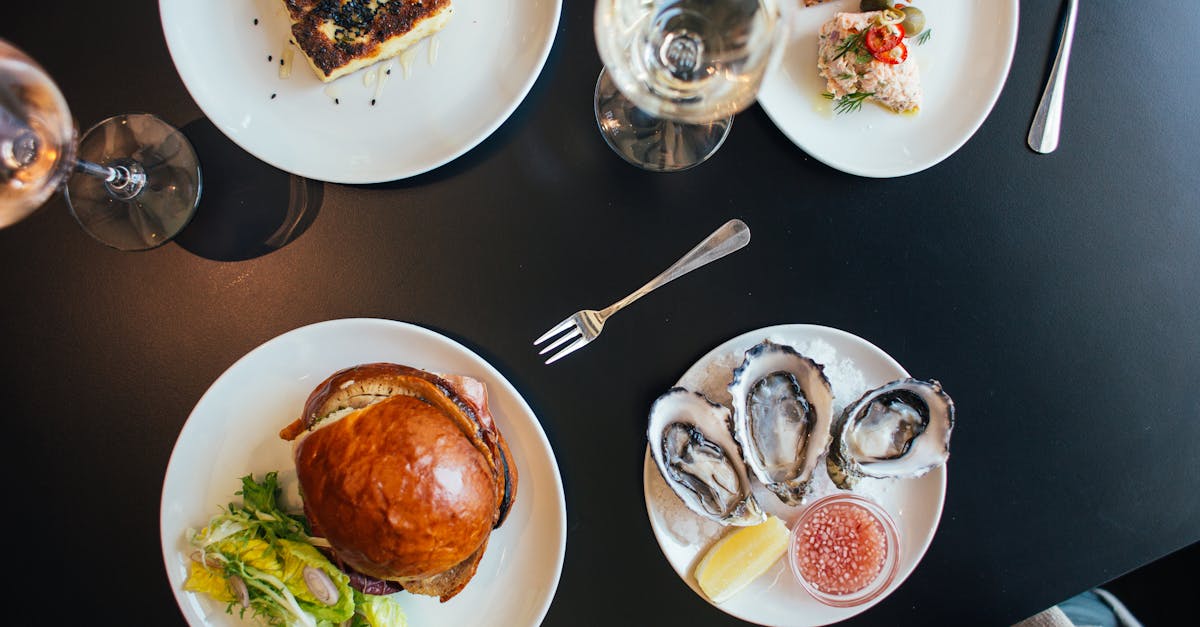
While the south of Germany is famous for its hearty stews and pretzels, venturing north to the North Sea and Baltic coasts reveals a culinary landscape defined by the rhythm of the tides. Here, fresh catches like herring, mackerel, and flounder are celebrated in traditional dishes such as Fischbrötchen, the quintessential seaside sandwich where buttery white bread or crusty rolls cradle fillets that have been fried, marinated in vinegar, or simply steamed with dill. This maritime bounty is often accompanied by Kluntje, sugar cubes dissolved in water to drink alongside the meal, offering a refreshing contrast to the salty ocean air and the rich, briny flavors of the sea.
No coastal feast in Northern Germany would be complete without pairing these delicate seafood offerings with robust rye bread, known locally as Roggenbrot. Unlike the soft wheat loaves found elsewhere, this dense, dark bread boasts a tangy sourdough flavor and a chewy texture that perfectly complements the freshness of the fish. Often served with toppings like smoked eel, creamy cheese spreads, or pickled onions, the rye bread provides a substantial foundation that grounds the lightness of the seafood. Whether enjoyed at a bustling harbor market in Hamburg or a quiet fishing village in Schleswig-Holstein, this combination offers an authentic taste of the region's history and connection to the water.
 This photo was taken by Rachel Claire on Pexels.
Sweet Traditions: Pastries and Regional Sweets Across the Länder
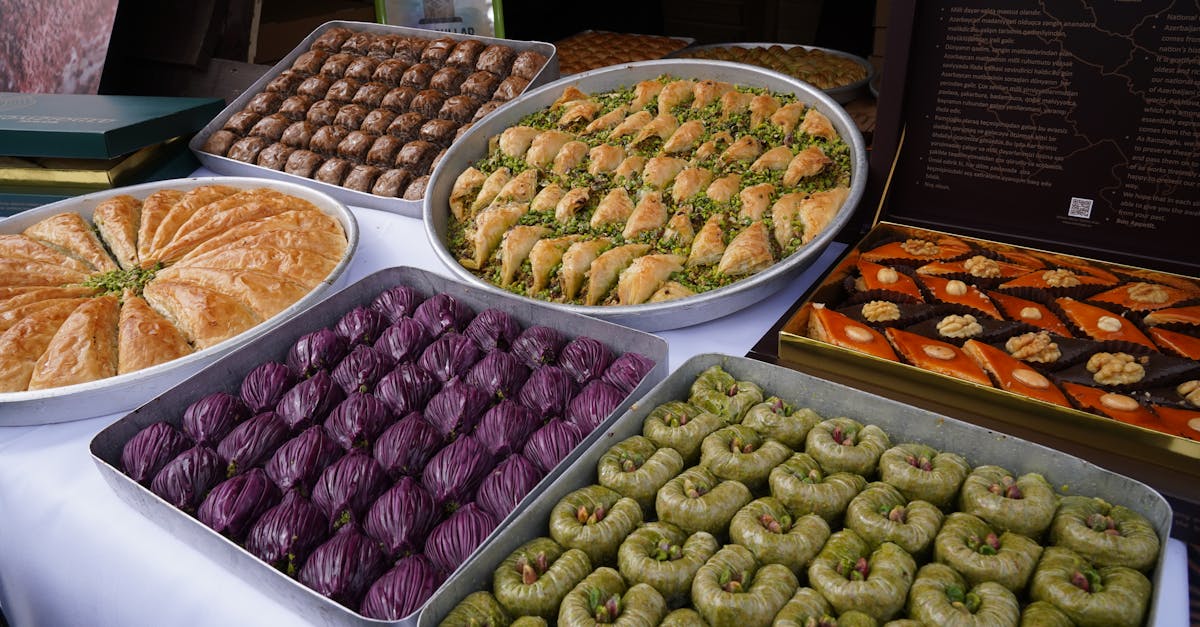
While the iconic Bavarian pretzel often steals the spotlight, Germany's dessert landscape is a delightful tapestry woven from distinct regional threads that vary dramatically from one Land to another. In the southwest, Baden-Württemberg offers the rich, creamy indulgence of Black Forest cake (Schwarzwälder Kirschtorte), where layers of sponge soaked in kirsch are paired with whipped cream and fresh cherries, while neighboring Rhineland-Palatinate delights visitors with the flaky, almond-studded Streuselkuchen. Further north, the coastal states embrace their maritime heritage with sweet treats like the buttery Linzer cookies of Schleswig-Holstein or the famous Berliners, jelly-filled doughnuts that have become a symbol of Berlin's culinary identity, proving that every corner of the country has its own sugary signature.
For the adventurous palate, exploring these regional sweets reveals a deep connection between local history and modern confectionery artistry. The Black Forest region remains the heartland for fruit-based desserts, but the east tells a different story through the dense, spiced Lebkuchen of Nuremberg, which dates back centuries and is traditionally enjoyed during Christmas markets. Meanwhile, the former East German state of Saxony boasts the world-famous Dresden Stollen, a heavy fruit bread studded with marzipan and dusted with powdered sugar that serves as a festive centerpiece. Whether you are sipping coffee in a historic café in Munich or sampling street food at a fair in Hamburg, these pastries offer a sweet conclusion to any meal, showcasing how Germany's diverse cultural heritage is best savored one bite at a time.
 This photo was taken by Tahir Xəlfə on Pexels.