Christmas Markets: A Magical Winter Tradition in Germany
 This photo was taken by Masood Aslami on Pexels.
Welcome to the heart of winter in Germany, where cobblestone streets transform into enchanting wonderlands and the air fills with the warm scent of spices and pine. As a local guide who has spent countless seasons exploring our beloved Weihnachtsmärkte, I invite you to discover why these Christmas markets are more than just festive gatherings—they are a cherished tradition that has captivated hearts for centuries. Whether you are drawn to the historic allure of the medieval origins, eager to savor authentic Glühwein and Lebkuchen, or planning your itinerary from the famous stalls of Nuremberg to the majestic Dresden Striezelmarkt, this journey promises an unforgettable magical experience. Let us step together into the glow of candlelight and uncover the true spirit of a German Christmas.
The History and Charm of German Christkindlmarkts
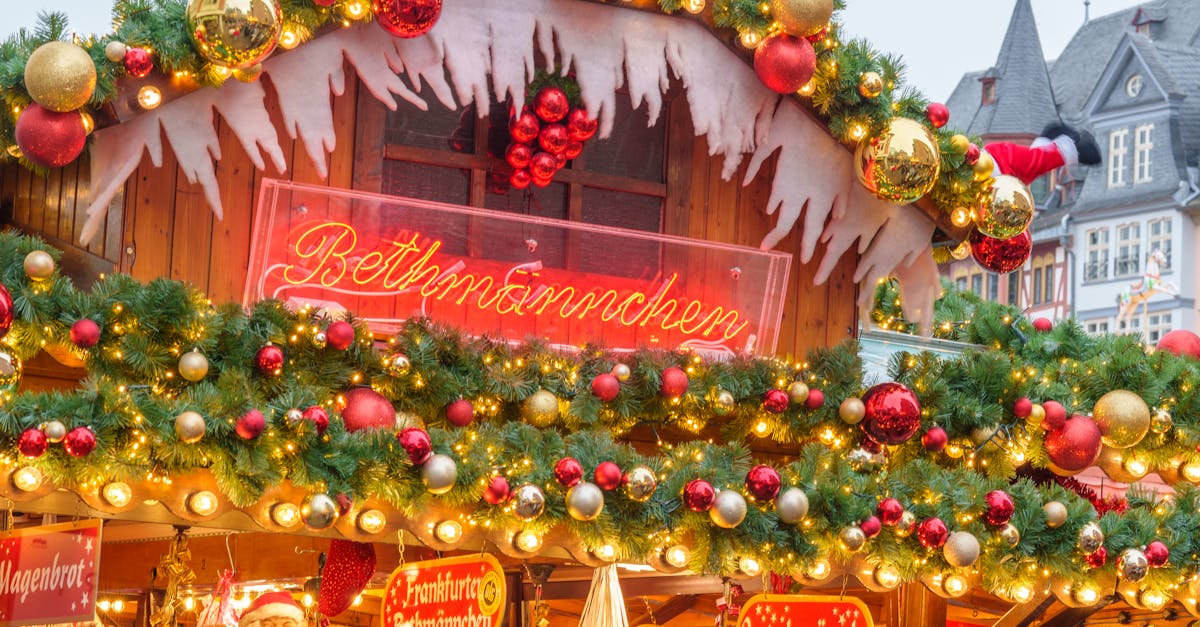
Rooted deeply in the Holy Roman Empire, the tradition of the German Christkindlmarkt dates back to the late Middle Ages, evolving from religious trade fairs held during the Advent season into the beloved festive gatherings we know today. Originally established to provide a place for artisans and merchants to sell goods before Christmas, these markets have become vibrant hubs where history is palpable in every wooden stall and flickering candlelight. The name "Christkindl" itself, meaning "Christ Child," reflects the unique German custom where this angelic figure, rather than Santa Claus, brings gifts to children, adding a distinct layer of cultural heritage to the atmosphere. As you wander through cobblestone streets lined with centuries-old half-timbered houses, you are not merely visiting a market but stepping into a living timeline that connects modern celebrations with ancestral customs.
Beyond their historical significance, these markets exude an undeniable charm that transforms the cold winter air into a warm embrace of community and joy. The scent of glühwein, spiced mulled wine, and freshly baked Lebkuchen (gingerbread) fills the air, mingling with the sounds of carolers singing traditional hymns and the cheerful clinking of glass mugs. Whether nestled in the shadow of a majestic cathedral in Nuremberg or set against the backdrop of a fairy-tale castle in Dresden, each market offers a unique blend of local craftsmanship, from intricate hand-carved ornaments to delicate porcelain figures. This magical winter tradition invites visitors to slow down, savor the moment, and experience the authentic spirit of German hospitality that has been cherished for generations.
 This photo was taken by Jimmyk photos on Pexels.
A Culinary Journey: Glühwein, Lebkuchen, and Regional Specialties
As the crisp winter air fills your lungs, nothing warms the soul quite like a steaming mug of Glühwein, the spiced wine that serves as the unofficial heartbeat of every German Christmas market. Often served in decorative ceramic mugs that you can keep as a souvenir, this aromatic elixir is infused with cinnamon, cloves, star anise, and citrus, creating a comforting ritual that invites visitors to linger by the glowing stalls. Paired perfectly with the rich aroma of fresh Lebkuchen, these soft gingerbread cookies are often glazed with intricate icing patterns or dipped in dark chocolate, offering a sweet, spicy treat that has been a staple of German holiday baking for centuries. Together, these flavors create an immersive sensory experience that transports you directly into the heart of traditional German festive culture.
Beyond the ubiquitous mulled wine and cookies, each region offers its own unique culinary treasures that reflect local heritage and seasonal abundance. In Bavaria, you will find hearty Bratwursts grilled over open flames, while in Saxony, delicate Pfefferkuchen from Dresden's famous "Striezelmarkt" awaits those with a taste for history. The markets also feature savory delights such as roasted almonds dusted with sugar, warm potato pancakes topped with apple sauce, and even regional cheeses or smoked fish depending on the location. Exploring these diverse regional specialties allows travelers to embark on a gastronomic tour across Germany, discovering how local ingredients and time-honored recipes come together to celebrate the season in every corner of the country.
 This photo was taken by Syed Qaarif Andrabi on Pexels.
Top Destinations: From Nuremberg to Dresden's Most Iconic Markets
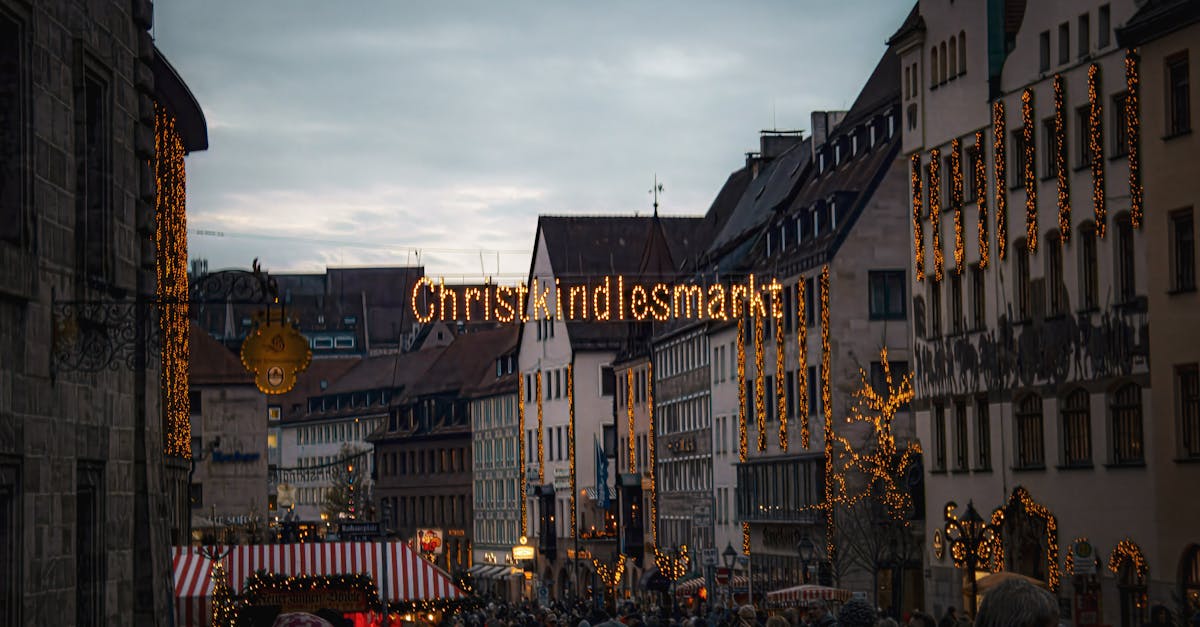
Begin your festive journey in Nuremberg, home to the world-famous Christkindlesmarkt, a tradition dating back to 1628 that sets the gold standard for German Christmas markets. Nestled in the shadow of the majestic Kaiserburg and the old city walls, this market enchants visitors with over 180 wooden stalls selling handcrafted ornaments, gingerbread hearts (Lebkuchen), and the region's signature sweet-sour sausages. As the sun sets, the square transforms into a winter wonderland illuminated by thousands of twinkling lights, where the aroma of mulled wine (Glühwein) mingles with the sound of children's choirs singing traditional carols, creating an atmosphere of pure holiday magic that has captivated travelers for centuries.
Journey eastward to Dresden to experience the Striezelmarkt, recognized as Germany's oldest documented Christmas market from 1434, which offers a more baroque and elegant ambiance along the banks of the Elbe River. Here, the centerpiece is undoubtedly the Riesengroßer Striezel, a towering fruit bread baked annually to celebrate the season, while the historic Altmarkt hosts stunning performances against the backdrop of the Frauenkirche. Unlike the bustling energy of Nuremberg, Dresden's market exudes a refined charm, inviting guests to savor local Saxon specialties like Stollen and explore intricate wood-carved nativity scenes, making it an essential stop for those seeking a deeper connection to the country's rich cultural heritage during the winter months.
 This photo was taken by Loic Van Montagu on Pexels.