Christmas Markets Across Germany: A Winter Wonderland Guide
 This photo was taken by Masood Aslami on Pexels.
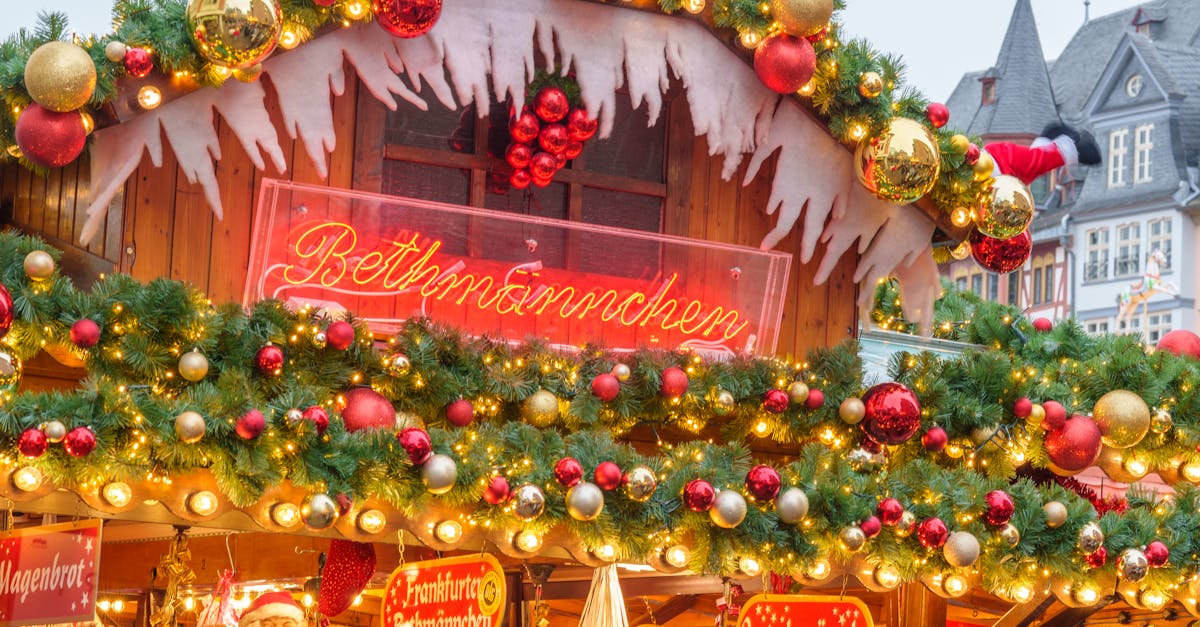
As the crisp winter air sweeps through Germany and fairy lights begin to twinkle against historic facades, the country transforms into a magical winter wonderland. For travelers seeking the true spirit of Christmas, there is no better experience than wandering through our beloved Weihnachtsmärkte. From the bustling squares of ancient imperial cities to the cozy, candlelit corners of remote villages, these markets offer a unique blend of tradition, craftsmanship, and festive cheer that has captivated visitors for centuries. Whether you are sipping on warm spiced wine under the glow of giant trees or discovering secret culinary treasures in quaint towns, this guide will lead you on an unforgettable journey across Germany's most enchanting holiday destinations.
The Most Iconic Markets in Germany's Historic Cities
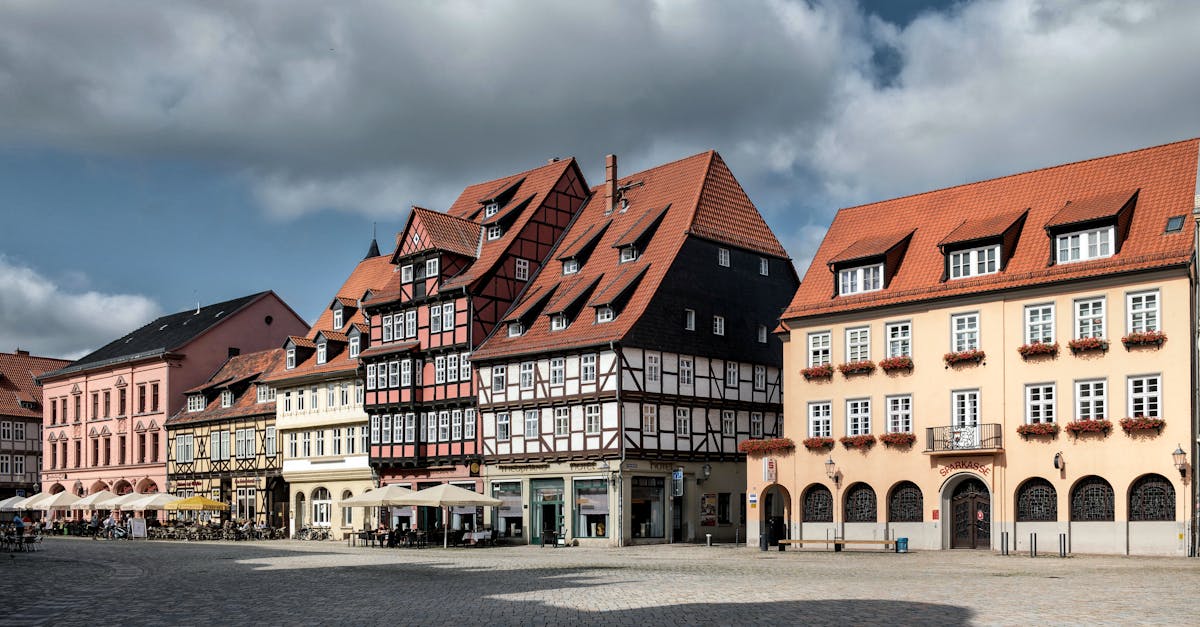
Stepping into the historic centers of Germany during the winter season feels like entering a living postcard, where cobblestone streets are lined with wooden chalets glowing under thousands of twinkling lights. In cities like Nuremberg and Dresden, the Christkindlesmarkt and Striezelmarkt offer more than just festive cheer; they are living traditions dating back centuries that showcase the very soul of German craftsmanship. Visitors can wander through these atmospheric squares sipping on warm Glühwein while browsing stalls selling hand-blown glass ornaments, intricate nutcrackers, and locally baked Lebkuchen, all set against the backdrop of stunning Gothic cathedrals and Renaissance town halls that seem to glow even brighter in the crisp winter air.
Beyond the famous giants, smaller historic cities provide an equally enchanting yet more intimate experience for travelers seeking authentic charm. The market in Rothenburg ob der Tauber, nestled within its perfectly preserved medieval walls, offers a fairytale setting where the scent of roasted almonds mingles with the aroma of pine, creating a sensory delight that is uniquely German. Similarly, the markets in Cologne and Hamburg blend their rich maritime or religious histories with modern holiday flair, featuring unique regional specialties like Spätzle in the south or fresh seafood alongside traditional treats in the north. Whether you are exploring the grandeur of Berlin's Gendarmenmarkt or the cozy lanes of Heidelberg, each historic city transforms into a winter wonderland where time seems to slow down, allowing you to fully immerse yourself in the magic of the season.
 This photo was taken by Wolfgang Weiser on Pexels.
Gastronomic Delights: Glühwein, Bratwurst, and Sweet Treats
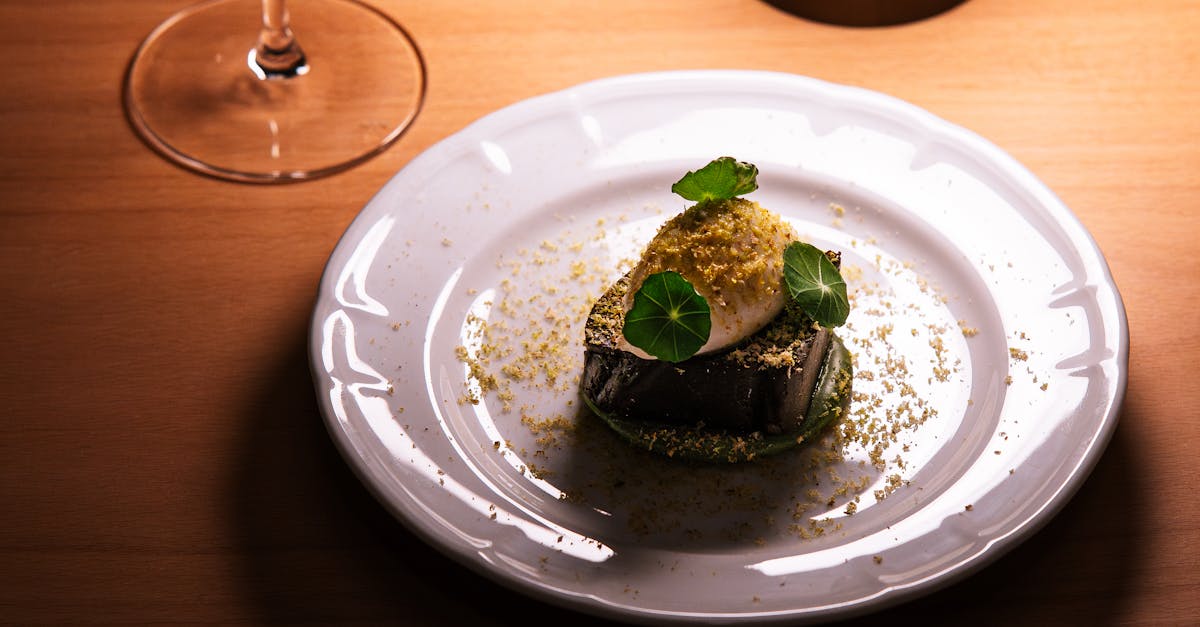
As the crisp winter air fills the festive atmosphere of Germany's Christmas markets, no experience is complete without indulging in their iconic culinary offerings. The quintessential start to any evening stroll is a steaming mug of Glühwein, a richly spiced mulled wine infused with cinnamon, cloves, and citrus that warms you from the inside out while offering a perfect respite against the chill. Complementing this aromatic drink are the savory delights found at every corner, most notably the Bratwurst, grilled to perfection over open flames and served in a soft bun or on a wooden stick, often accompanied by a dollop of tangy mustard. These hearty treats not only satisfy your hunger but also embody the communal spirit of the season, inviting locals and visitors alike to gather around wooden tables and share stories under twinkling lights.
Beyond the savory and the warm, German Christmas markets offer a treasure trove of sweet treats designed to delight the senses. From the delicate, flaky layers of a Berliner Pfannkuchen dusted generously with powdered sugar to the buttery richness of Lebkuchen cookies adorned with royal icing and almonds, there is a dessert for every palate. Visitors can also explore regional specialties like Reibekuchen (potato pancakes) drizzled with apple sauce or the decadent Schokokuss, ensuring that even the coldest day feels magical. Each bite tells a story of tradition and craftsmanship, making the act of tasting these confections an essential part of the journey through Germany's winter wonderland.
 This photo was taken by Szymon Shields on Pexels.
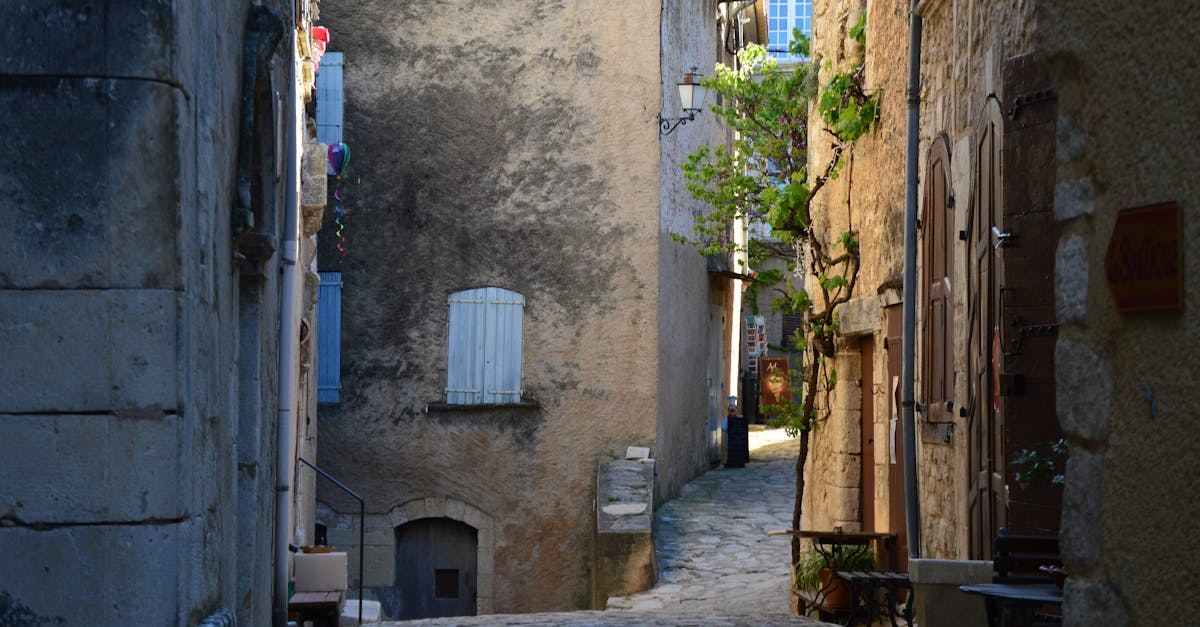
Hidden Gems: Charming Village Markets Off the Beaten Path
 This photo was taken by Ulrick Trappschuh on Pexels.