Christmas Markets Magic: When and Where to Go in Germany
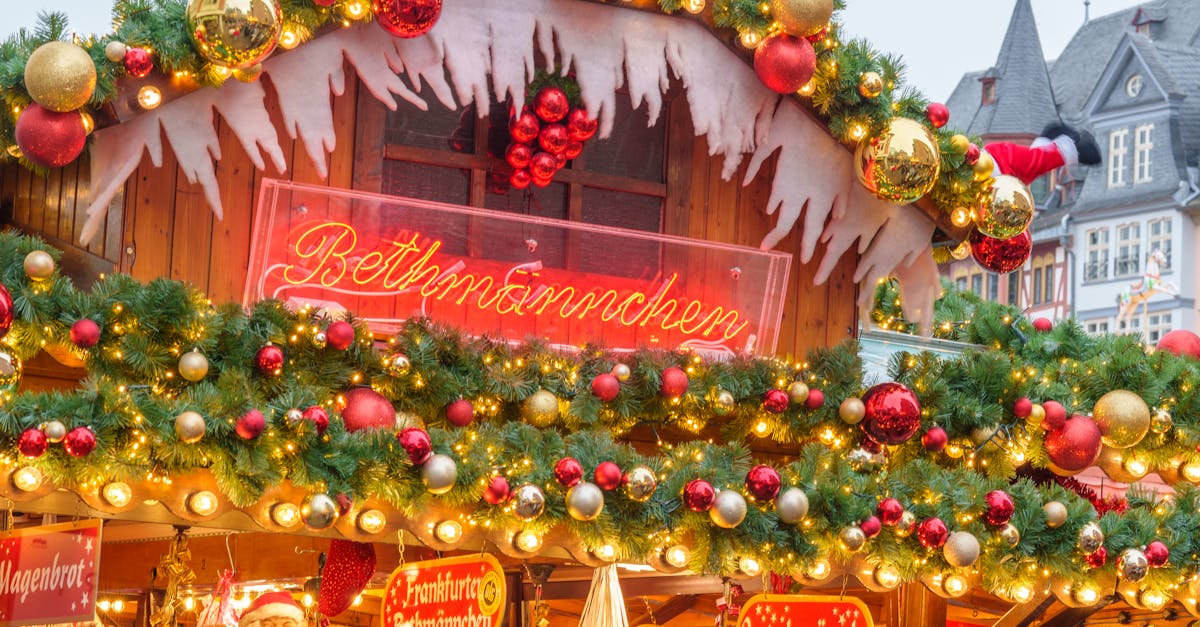 This photo was taken by Masood Aslami on Pexels.
As the crisp winter air settles over Germany, a magical transformation takes place in our cities and towns, turning ordinary streets into enchanting wonderlands. There is something truly special about the glow of thousands of twinkling lights, the aroma of glühwein and roasted almonds, and the sound of choirs singing traditional carols that defines the German Christmas spirit. Whether you are a first-time visitor or a seasoned traveler looking to rediscover old favorites, navigating this festive season requires a little local know-how. In this guide, we will explore exactly when the magic begins, reveal the top destinations for an unforgettable market experience, and share essential tips to help you make the most of your visit to these cherished holiday traditions.
The Best Time to Experience the Festive Spirit
While the festive lights and mulled wine are available throughout December, the true magic of German Christmas markets often begins in late November. This is when the first stalls go up in cities like Nuremberg, Dresden, and Cologne, offering a more intimate atmosphere before the peak holiday crowds arrive. Visiting during this early window allows you to savor the crisp autumn air while exploring the handcrafted ornaments and traditional treats without feeling rushed, creating a cozy backdrop that perfectly captures the anticipation of the season.
If you prefer a bustling, high-energy experience with the full glow of the holiday spirit, aim for the weeks leading up to Christmas Eve. During this period, markets such as those in Munich's Marienplatz or Berlin's Alexanderplatz transform into vibrant hubs where locals and tourists alike gather to sing carols and share festive cheer. However, be prepared for larger crowds; for a slightly quieter yet equally enchanting evening, consider visiting on weekday evenings when the twinkling lights reflect beautifully off the cobblestones and the scent of roasted almonds fills the streets.
 This photo was taken by Michał Robak on Pexels.
Top Destinations for Unforgettable Market Visits
Begin your festive journey in Nuremberg, home to the Christkindlesmarkt, widely regarded as Germany's most iconic Christmas market. Nestled in the shadow of the city's majestic medieval castle, this historic gathering transforms the old town into a winter wonderland where over 180 wooden stalls offer everything from traditional Lebkuchen and Glühwein to handcrafted ornaments. The atmosphere is electric with the scent of roasted almonds and cinnamon, while the famous "Christkind" opens the event each year with a ceremonial greeting that sets the tone for weeks of holiday cheer. For those seeking a more fairytale-like setting, Strasbourg (just across the border but deeply connected to German culture) or Cologne offers equally enchanting experiences, though nothing quite rivals the authentic charm of Nuremberg's cobblestone streets lined with twinkling lights.
For a blend of architectural grandeur and intimate holiday spirit, Dresden's Striezelmarkt deserves a special place on your itinerary. As one of the oldest markets in Europe, dating back to 1434, it features a stunning backdrop of the Frauenkirche and the Zwinger Palace, creating a picturesque scene that feels like stepping into a storybook. Visitors can savor the namesake Stollen cake, a rich fruit bread dusted with powdered sugar that has been a local tradition for centuries, while wandering through stalls selling intricate wood carvings and glass baubles. Whether you are exploring the bustling main square in Munich or the romantic riverfront markets along the Rhine, these destinations promise not just shopping, but an immersive cultural experience that captures the true heart of German Christmas traditions.
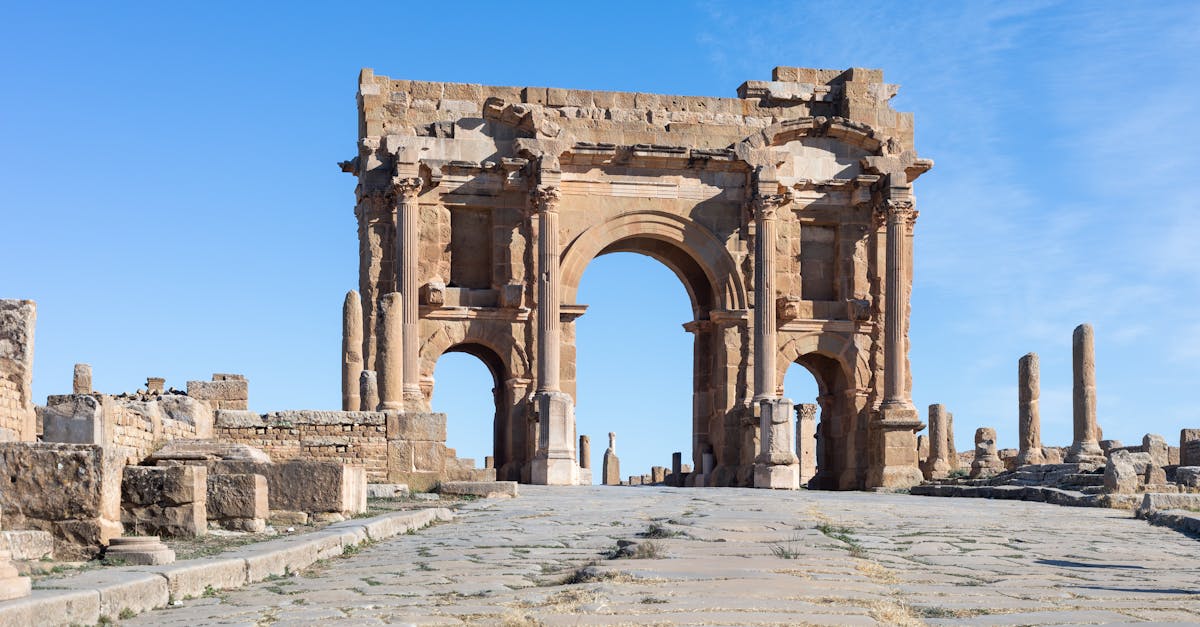 This photo was taken by Djamel Ramdani on Pexels.
Essential Tips for Navigating Germany's Christmas Markets
To fully immerse yourself in the enchanting atmosphere of Germany's Christmas markets, timing is everything; while many markets open in late November, the most magical experience often occurs during the weekdays between 4:00 PM and 8:00 PM when the fairy-tale lights are at their brightest but the crowds have slightly thinned. It is crucial to dress warmly and practically, as you will be standing outdoors for extended periods amidst the crisp winter air, so layer up with a waterproof coat, sturdy shoes for cobblestone streets, and a scarf or gloves to stay comfortable while sipping your warm Glühwein. Additionally, remember that cash is still king at these traditional stalls, so ensure you carry small denominations of Euros for purchasing handicrafts, gingerbread hearts, and savory sausages, as many vendors do not accept credit cards.
Navigating the sheer number of markets across the country requires a bit of strategy, especially if you plan to visit multiple cities like Nuremberg, Dresden, or Cologne within a short trip. Start by checking official tourism websites for specific opening hours, as some smaller village markets close early on Sundays, and consider using public transportation rather than driving, since city centers are often pedestrianized and parking can be scarce and expensive during the festive season. Don't hesitate to wander off the main thoroughfares into side alleys where you might discover intimate, family-run stalls offering unique regional specialties, and always keep an eye on your belongings in crowded areas to ensure your holiday magic remains trouble-free.
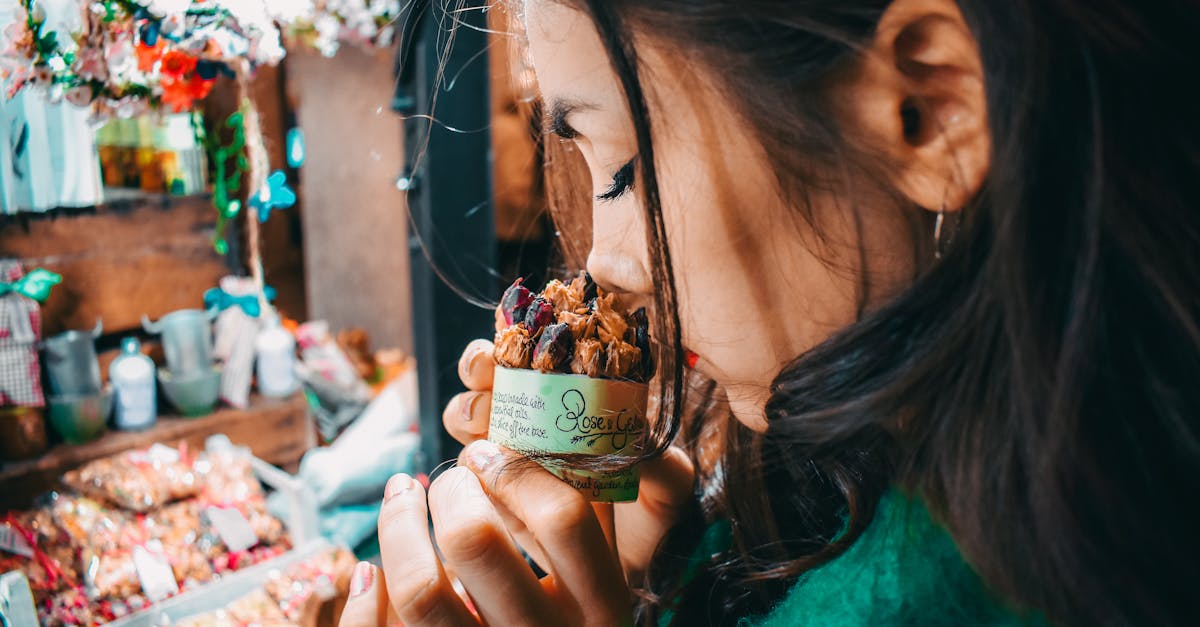 This photo was taken by Ion Ceban @ionelceban on Pexels.