Christmas Markets Magic: When and Where to Visit in Germany
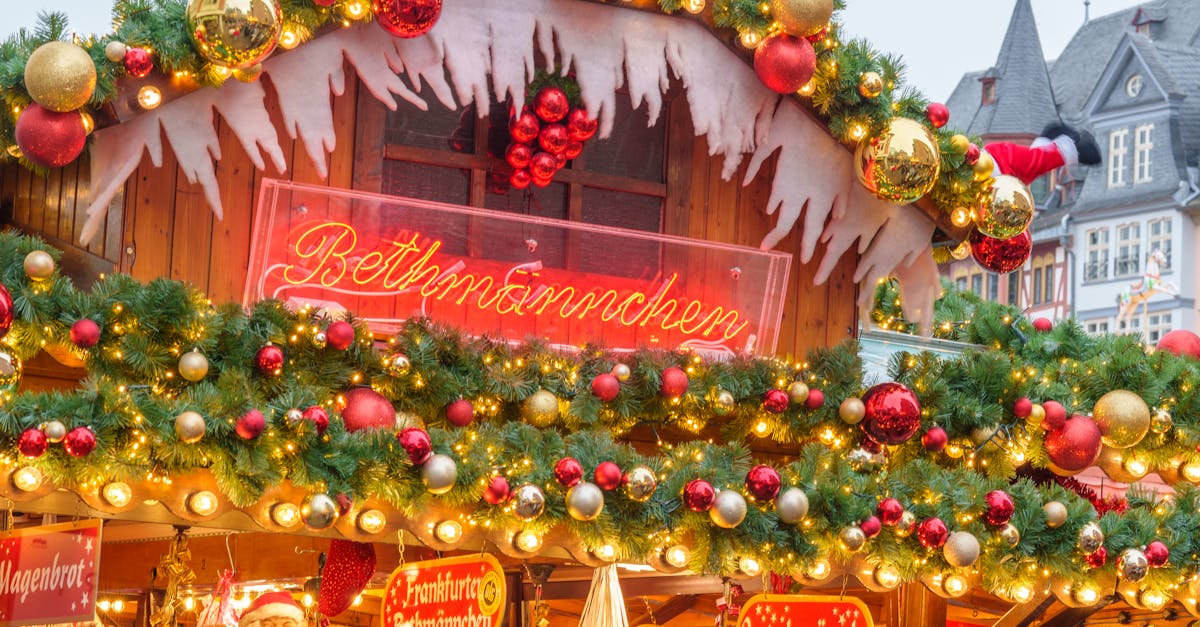 This photo was taken by Masood Aslami on Pexels.
As the crisp autumn air gives way to the first frost, Germany transforms into a winter wonderland where cobblestone streets glow under thousands of twinkling lights and the scent of mulled wine fills the atmosphere. Welcome to the heart of European holiday spirit, where our legendary Christmas markets (Weihnachtsmärkte) have been enchanting visitors for centuries with their handcrafted ornaments, carolers, and warm hospitality. Whether you are a first-time traveler eager to experience the magic or a seasoned visitor looking to discover hidden gems, this guide will help you navigate the festive season like a local. From mastering the perfect timing for your trip to exploring the top ten markets that define German tradition, prepare to immerse yourself in the joyous celebrations that make December in Germany truly unforgettable.
The Ultimate Guide to Timing Your Visit
To truly experience the enchanting atmosphere of Germany's Christmas markets, timing is everything, with the season officially kicking off in late November and running through December 23rd or even New Year's Eve in some cities. The ideal window to visit is typically between the first week of December and the weekend before Christmas, as this period offers the perfect balance of festive crowds and magical ambiance; visiting too early in late November can sometimes mean shorter opening hours and a slightly less bustling vibe, while the final days before Christmas bring overwhelming crowds that can detract from the intimate charm of the stalls. For those seeking a more serene experience with twinkling lights reflecting on cobblestone streets without the pressure of massive throngs, aim for a weekday morning or early afternoon during this sweet spot.
While major hubs like Nuremberg, Dresden, and Munich draw international attention, consider planning your trip around specific regional themes to find the best timing for your interests. If you prefer a cozy, traditional feel with authentic crafts and mulled wine, the smaller markets in the Black Forest or along the Romantic Road often maintain their magic well into January, offering a quieter retreat after the main rush has subsided. Conversely, if you are looking for spectacular light installations and extended evening hours, Berlin and Hamburg host unique events that run later into the night, making them particularly vibrant during the holiday weekends. By aligning your travel dates with these nuances, you ensure that your German Christmas market adventure captures the very essence of this beloved tradition.
 This photo was taken by Erik Mclean on Pexels.
Top 10 Must-Visit Markets Across the Country
 This photo was taken by Long Tang on Pexels.
Local Traditions and Festive Treats You Can't Miss
Immersing yourself in Germany's Christmas markets means diving deep into a rich tapestry of local traditions that have been cherished for centuries. Beyond the twinkling lights and wooden stalls, you will encounter unique customs such as the "Nikolaus" celebrations on December 6th, where children eagerly polish their boots hoping to find sweets or small gifts from Saint Nicholas. Many regions also host special parades featuring costumed figures like the Krampus in Bavaria or the Lichterfest processions, while the rhythmic clinking of glass mugs filled with warm Glühwein creates an unmistakable atmosphere of community and warmth. These gatherings are not merely shopping trips but living cultural experiences where locals gather to sing traditional carols, share stories, and uphold the spirit of Advent together.
No visit to these festive wonders would be complete without indulging in the array of delectable treats that define the German holiday palate. The star of every market is undoubtedly the Bratwurst, often served in a crusty roll with mustard, alongside hearty potato pancakes topped with applesauce or savory cheese. For those with a sweet tooth, the aroma of fresh Lebkuchen (gingerbread) and Spekulatius cookies wafting through the air is irresistible, offering spiced delights that pair perfectly with a cup of hot chocolate or mulled wine. You must also seek out regional specialties like Christstollen, a dense fruit bread dusted with powdered sugar, or the delicate Baumkuchen, ensuring your taste buds experience the true flavor of a German winter celebration.
 This photo was taken by Sóc Năng Động on Pexels.