Christmas Markets: The Magic of Winter in Germany
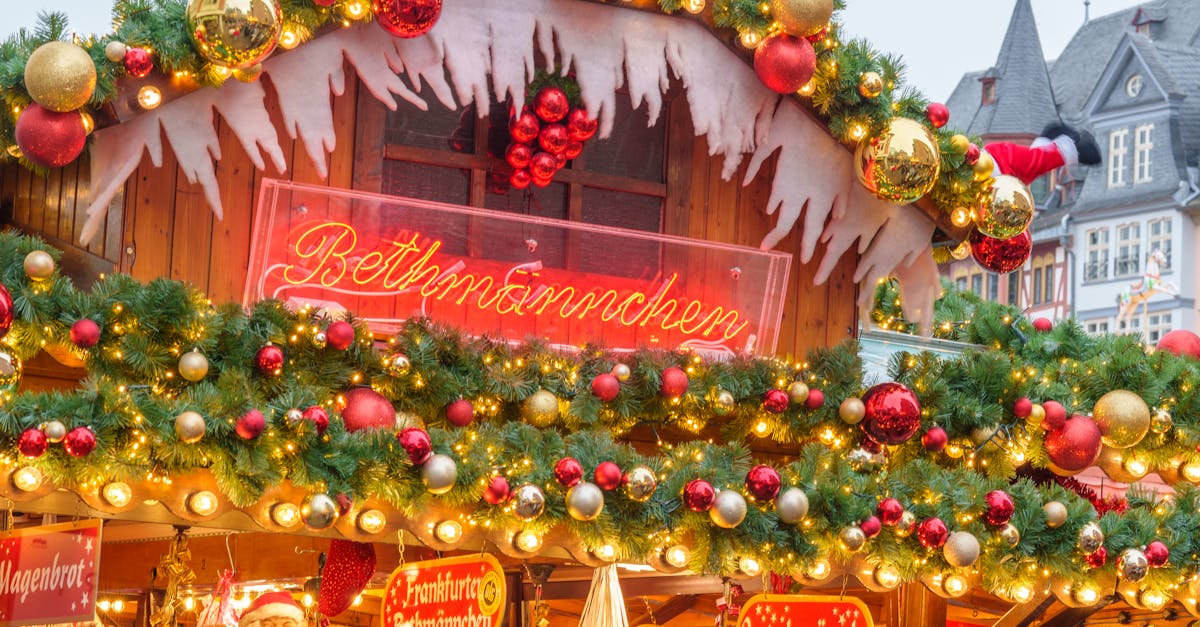 This photo was taken by Masood Aslami on Pexels.
Welcome to the heart of German winter, where cobblestone streets transform into enchanting wonderlands and the air fills with the warm aroma of spices. As your local guide through this festive season, I invite you to step into a world where tradition meets magic at our beloved Christmas markets. From the sizzling grills and steaming mugs of Glühwein to the centuries-old stories woven into every ornament and gingerbread cookie, these gatherings are more than just shopping trips—they are a celebration of community and heritage that has captivated visitors for generations. Join me as we explore the sensory delights, trace the historic roots, and discover why Germany's winter markets remain the gold standard for holiday cheer around the globe.
A Feast for the Senses: Glühwein, Bratwurst, and Handcrafted Delights
As the crisp winter air fills your lungs with the scent of pine and woodsmoke, you are immediately welcomed into a culinary paradise where the senses come alive. The heart of every German Christmas market beats to the rhythm of sizzling grills, where golden-brown Bratwurst is served in warm bread rolls or on rustic wooden plates, often accompanied by tangy mustard and sauerkraut. Just as satisfying is the steaming mug of Glühwein, a spiced mulled wine infused with cinnamon, cloves, star anise, and citrus, its rich aroma cutting through the chill while warming you from the inside out. This comforting ritual, shared among friends under twinkling fairy lights, transforms a simple meal into a cherished tradition that defines the German holiday spirit.
Beyond the savory delights, the markets offer a treasure trove of handcrafted treats that delight both the palate and the eyes. Artisans line the wooden stalls offering gingerbread hearts decorated with royal icing, delicate marzipan figures, and freshly baked Lebkuchen cookies that taste like a memory of childhood. These edible souvenirs are often paired with sweet surprises like roasted almonds dusted with sugar or caramelized chestnuts, creating a symphony of flavors that linger long after you leave the market. Whether you are indulging in a piece of chocolate-covered pretzel or sampling regional cheeses and cured meats, every bite tells a story of local heritage, making your visit to these festive gatherings an unforgettable feast for all five senses.
 This photo was taken by Parth Patel on Pexels.
From Nuremberg to Dresden: Exploring Germany's Most Iconic Markets
Starting in the historic heart of Nuremberg, the Christkindlesmarkt offers a quintessential German Christmas experience that has enchanted visitors since 1628. Here, the air is filled with the warm aroma of gingerbread hearts and spiced wine as you wander past over 180 wooden stalls nestled within the medieval city walls. The famous "Christkind," dressed in golden robes, traditionally opens the market from the balcony of the Frauenkirche, setting a magical tone for weeks of festive cheer where handcrafted ornaments and local delicacies create an atmosphere of timeless tradition that feels both intimate and grand.Traveling eastward to Dresden, you will discover the Striezelmarkt, widely recognized as Germany's oldest Christmas market dating back to 1434. This enchanting destination is famous for its towering pyramid structures and the iconic Stollen cake, a dense fruit bread dusted with powdered sugar that defines the region's culinary heritage. Surrounded by Baroque architecture and illuminated by thousands of candles, Dresden's market transforms the Altmarkt into a winter wonderland where the scent of roasted almonds mingles with the sound of choirs, offering a serene yet vibrant conclusion to your journey through Germany's most iconic seasonal celebrations. This photo was taken by Bibin Saju on Pexels.
Beyond the Lights: The History and Traditions Behind the Festive Spirit
 This photo was taken by Sai Nath on Pexels.