Coastal Adventures: Exploring the Wadden Sea and Baltic Sea Islands
 This photo was taken by Susanne Jutzeler, suju-foto on Pexels.
Welcome to the wild and windswept northern edge of Germany, where land meets sea in a dynamic dance that has shaped one of Europe's most unique landscapes. As your local guide, I invite you to leave the bustling cities behind and embark on a journey through two distinct yet equally mesmerizing coastlines: the Wadden Sea and the Baltic Sea islands. Here, the rhythm of life is dictated by the tides, offering an adventure far removed from typical beach holidays. In this post, we will explore the surreal experience of walking on the UNESCO-listed mudflats of the Wadden Sea, hop between the dramatic chalk cliffs of Rügen and the sandy dunes of Sylt, and discover how the constant ebb and flow create a thriving ecosystem teeming with marine life. Get ready to feel the sand beneath your boots and breathe in the salty air as we uncover the hidden treasures of Northern Germany's coastal wonders.
Waddensea: A UNESCO World Heritage Walk on Mudflats
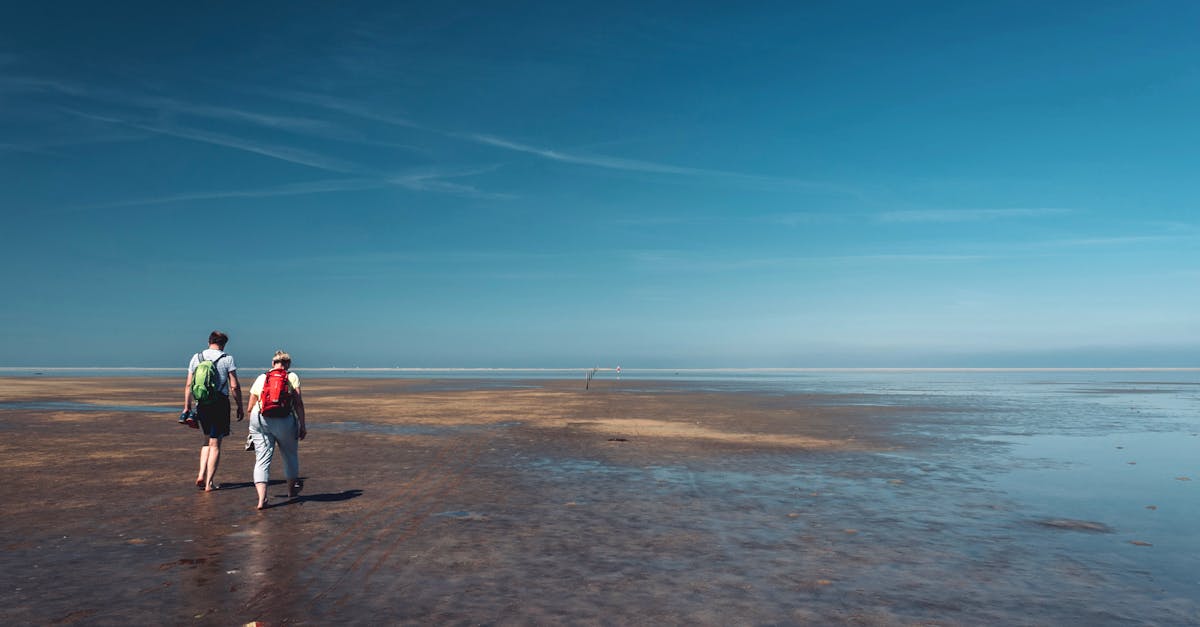
Immerse yourself in the unique ecosystem of the Wadden Sea, a UNESCO World Heritage site that stretches along Germany's North Sea coast, where the rhythm of life is dictated by the tides. Here, you can don waders and join a guided "Wattwanderung" to walk across the vast mudflats at low tide, discovering a hidden world teeming with life beneath your feet. As you traverse this dynamic landscape, you might spot seals resting on sandbanks, flocks of migratory birds feeding in the shallows, and the elusive flatfish hiding just under the surface. This extraordinary experience offers a profound connection to nature, allowing visitors to witness one of the most productive coastal ecosystems in Europe while learning about the delicate balance between land, sea, and sky from knowledgeable local guides.
Beyond the thrill of the walk itself, the Wadden Sea serves as a vital sanctuary for millions of birds during their seasonal migrations, making it a paradise for wildlife enthusiasts and photographers alike. The area is not only a natural wonder but also a cultural landscape shaped by centuries of human interaction with these powerful tides, evident in the traditional fishing villages and historic dike systems that line the shore. Whether you are exploring the national parks of Schleswig-Holstein or Lower Saxony, the Wadden Sea invites you to slow down and appreciate the raw beauty of the German coastline, offering an unforgettable adventure that blends education, conservation, and pure outdoor enjoyment in a setting unlike any other in the world.
 This photo was taken by Jean-Paul Wettstein on Pexels.
Baltic Island Hopping: From Rügen's Cliffs to Sylt's Dunes
Begin your Baltic escapade on the majestic island of Rügen, where the dramatic white chalk cliffs of Königsstuhl rise dramatically from the emerald waters, offering breathtaking vistas that define the region's rugged beauty. Wander through the ancient beech forests of the Jasmund National Park, a UNESCO World Heritage site, before exploring the charming fishing villages like Sellin and Binz, known for their historic wooden piers and vibrant seaside promenades. The island serves as a perfect blend of natural wonder and cultural heritage, inviting you to cycle along coastal paths or kayak beneath the towering rock faces that have inspired poets and painters for centuries.
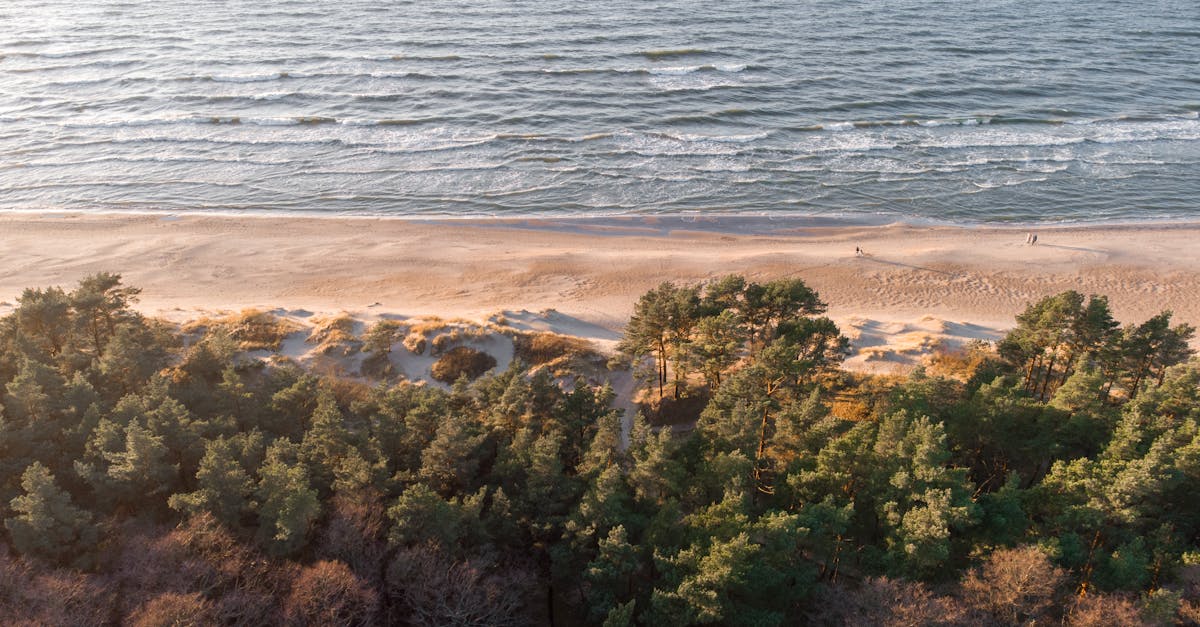
In stark contrast to Rügen's geological grandeur lies the North Frisian Island of Sylt, a destination renowned for its endless golden dunes and expansive tidal flats that shift with the rhythm of the tides. Here, the atmosphere is one of sophisticated relaxation, where high-end boutiques line the streets of Westerland while nature lovers can explore the vast Wadden Sea landscape teeming with birdlife during low tide. Whether you are surfing the powerful waves at Kampen, indulging in local seafood specialties in cozy restaurants, or simply watching the sunset over the North Sea from a wooden pier, Sylt offers a unique coastal experience that perfectly balances wild nature with refined leisure.
 This photo was taken by Artūras Kokorevas on Pexels.
Marine Life and Tides: The Unique Ecosystem of Northern Germany
The Wadden Sea, a UNESCO World Heritage site stretching along the North Sea coast, offers one of the most dynamic ecosystems on Earth, defined by its rhythmic tides that expose vast mudflats twice daily. This unique intertidal zone serves as a critical resting and feeding ground for millions of migratory birds, including grey plovers and bar-tailed godwits, making it a paradise for birdwatchers and nature enthusiasts. Beyond the avian life, the nutrient-rich waters teem with diverse marine creatures such as flatfish, crabs, and the elusive harbor seal, all thriving in an environment where the constant ebb and flow of the tide shapes the landscape and dictates the rhythm of local wildlife.
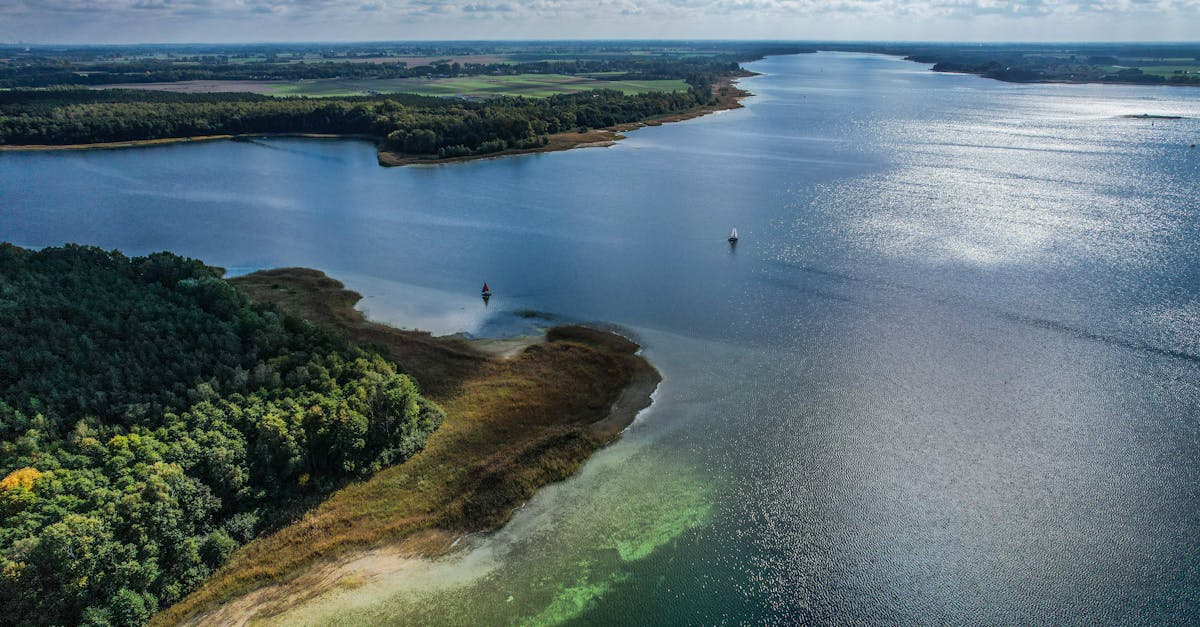
In contrast, the Baltic Sea islands like Rügen, Usedom, and Fehmarn present a calmer yet equally fascinating aquatic world characterized by brackish water and deep, sandy bays. Here, visitors can explore vibrant underwater meadows of eelgrass and encounter species adapted to lower salinity levels, including the endangered Atlantic gray seal and various species of cod and herring. The distinct tidal patterns of the Baltic are less extreme than their North Sea counterparts, allowing for year-round kayaking and diving opportunities where you can witness the serene beauty of ancient shipwrecks and bustling fish populations in a tranquil setting that perfectly complements the rugged charm of the northern German coastline.
 This photo was taken by Radoslaw Sikorski on Pexels.