Coastal Charm: Discovering the North Sea and Baltic Islands
 This photo was taken by Erik Mclean on Pexels.
Welcome to the windswept shores of Germany, where two distinct seas shape a landscape of breathtaking beauty and timeless tradition. Whether you are drawn to the chic dunes of the North Sea or the sandy beaches and amber forests of the Baltic, our islands offer a unique escape from the ordinary. In this post, we invite you to embark on an unforgettable journey across these maritime gems. We will guide you through the art of island hopping, taking you from the glamorous sands of Sylt to the dramatic chalk cliffs of Rügen. Prepare your boots for tidal wonders as we explore the UNESCO-listed Wadden Sea treks, and finally, immerse yourself in authentic seaside traditions, savoring local cuisine, exploring charming coastal villages, and discovering the rich culture that thrives between the sky and the sea.
Island Hopping: From Sylt to Rügen
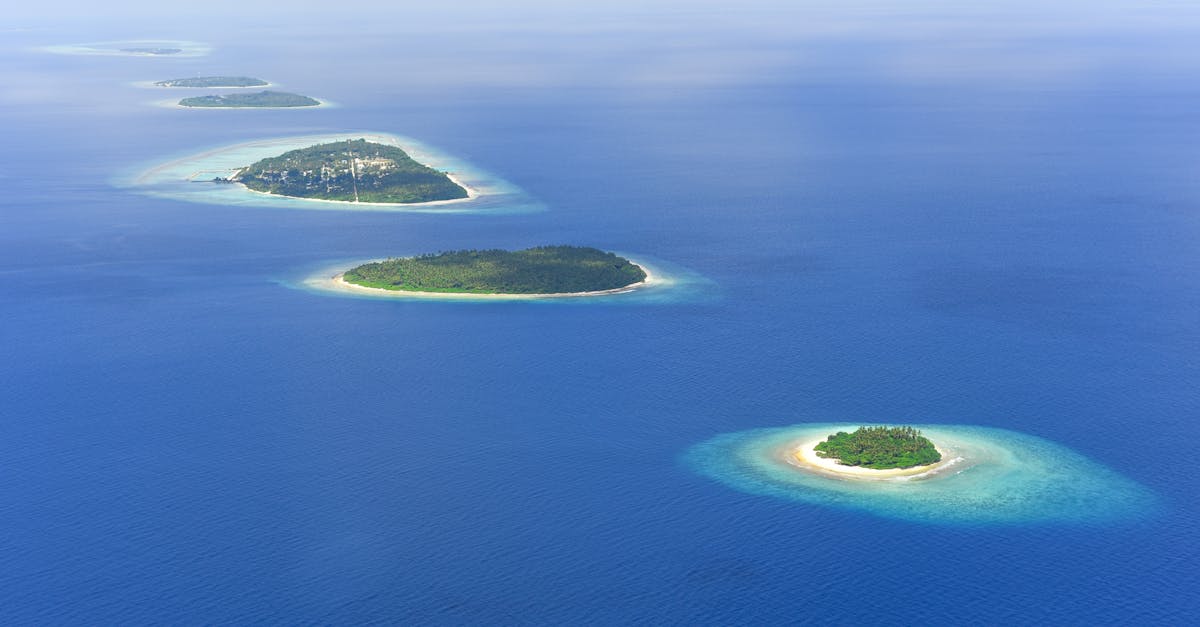
Embarking on an island-hopping adventure across Germany's northern shores offers a unique blend of rugged landscapes and serene atmospheres, starting with the windswept dunes of Sylt in the North Sea. Known as the "Jewel of the North," Sylt attracts visitors with its pristine white-sand beaches, upscale resorts, and a vibrant cultural scene that thrives alongside traditional fishing villages. Travelers can explore the island by bicycle along dedicated paths, watch the dramatic sunset over the Wadden Sea—a UNESCO World Heritage site teeming with wildlife—or simply relax in one of the many exclusive boutiques and gourmet restaurants that define this sophisticated coastal destination.
In stark contrast yet equally captivating lies Rügen, the largest German island situated in the Baltic Sea, where the scenery shifts to iconic chalk cliffs, dense beech forests, and charming seaside towns like Binz and Sellin. The majestic Königsstuhl cliff stands as a natural monument offering breathtaking panoramic views, while the nearby Prora complex tells the story of Germany's 20th-century history within its massive, historic architecture. Whether you are kayaking through the shallow lagoons of the Jasmund National Park, cycling past colorful wooden piers, or enjoying the fresh sea air in quaint Hanseatic towns, Rügen provides a perfect escape into nature and culture for those seeking tranquility beyond the bustling cities.
 This photo was taken by Asad Photo Maldives on Pexels.
Tidal Wonders and Wadden Sea Treks
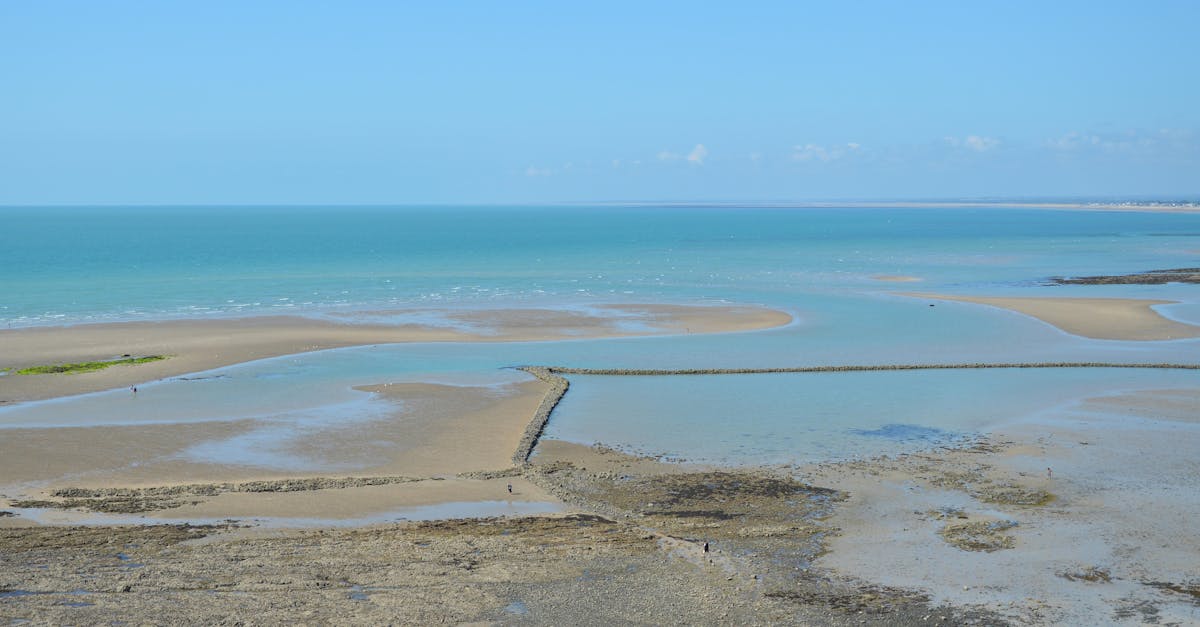
Prepare your boots for an otherworldly adventure in the Wadden Sea, a UNESCO World Heritage site where the rhythm of the tides dictates life on the coast. During low tide, vast mudflats are exposed, revealing a bustling ecosystem teeming with birds, crabs, and fish that serve as a vital stopover for migratory species traveling between the Arctic and Africa. Guided treks across these dynamic landscapes offer a unique perspective on nature's raw power, allowing you to walk among thousands of wading birds and explore hidden salt marshes that shift with every wave. It is a serene yet thrilling experience where silence is broken only by the squawk of gulls and the crunch of sand beneath your feet, providing an intimate connection with one of Europe's most significant coastal ecosystems.
As the water returns, the magic continues along the fringes of the North Sea and Baltic Islands, where quaint fishing villages and historic lighthouses stand guard over waters that have shaped German culture for centuries. Whether you are exploring the dunes of Sylt, known for its chic resorts and endless beaches, or venturing to the rugged shores of Rügen, the coastal charm is undeniable. These islands offer more than just scenic views; they provide a sanctuary for those seeking tranquility, where long walks along the shoreline at sunset reveal the dramatic interplay of light and water. From traditional seafood feasts in harbor taverns to cycling through pine forests that meet the sea, the tidal wonders of this region promise an unforgettable journey into the heart of Germany's maritime soul.
 This photo was taken by SlimMars 13 on Pexels.
Seaside Traditions: Cuisine, Culture, and Coastal Villages
Immerse yourself in the unique culinary heritage of Germany's coastal regions, where the rhythm of the tides dictates the menu. In the North Sea villages, you will find the hearty tradition of Fischbrötchen, a fresh fish sandwich often filled with pickled herring or fried plaice, best enjoyed while watching the gulls dance above the dunes. The Baltic coast offers its own distinct flavors, from sweet and creamy Königsberger Klopse to the ubiquitous Ostseehering, which is frequently marinated in vinegar and served with boiled potatoes and applesauce. Beyond the food, the culture here revolves around deep-rooted customs like the colorful "Fischerboote" festivals and the annual "Klabautermann" celebrations, honoring the mythical spirits of the sea that are believed to protect fishermen and their vessels.
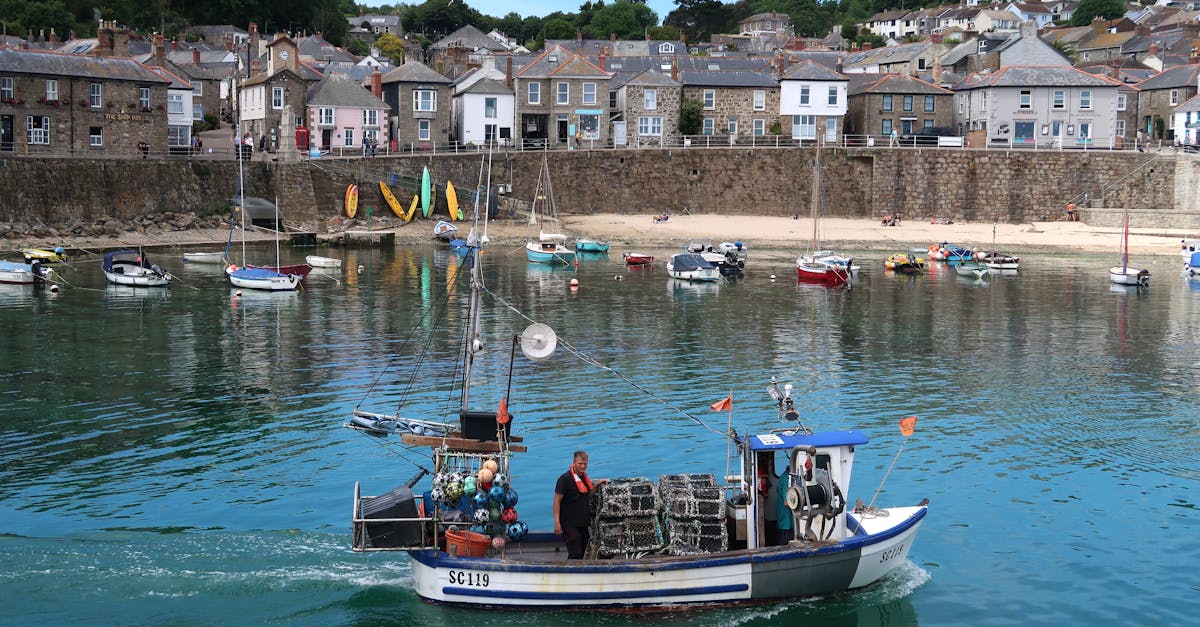
Wandering through the picturesque coastal villages reveals a world where history is preserved in half-timbered houses painted in vibrant hues and narrow cobblestone streets lined with blooming geraniums. Places like Binz on Rügen or Cuxhaven on the North Sea offer a slower pace of life, inviting visitors to explore historic lighthouses, visit quaint museums dedicated to maritime trade, and stroll along wooden piers that extend into the shimmering waters. Whether it is the rhythmic clacking of the Ostsee-Kurhaus ballrooms in Bad Segeberg or the quiet serenity of a walk along the Wadden Sea mudflats during low tide, these islands and mainland shores provide an authentic glimpse into a lifestyle deeply intertwined with the ocean, making every visit a memorable journey through time and tradition.
 This photo was taken by the_literate_traveller _ on Pexels.