Coffee Culture vs. Kaffee und Kuchen: Understanding German Café Life
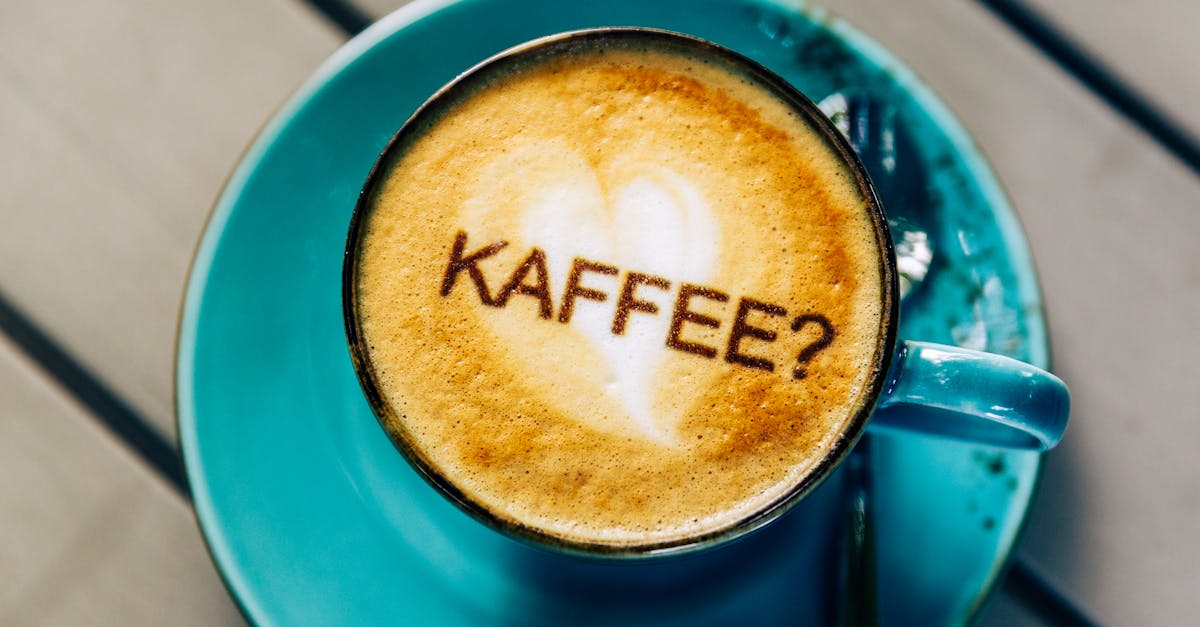 This photo was taken by Frank Leuderalbert on Pexels.
Welcome to the heart of German daily life, where the aroma of freshly roasted beans often signals the start of a new day. Whether you are navigating the bustling city streets or settling into a quiet corner of a Bavarian village, understanding the nuances of German café culture is essential for any traveler seeking an authentic experience. From the rapid-fire espresso shots that fuel the morning rush to the cherished Sunday ritual of Kaffee und Kuchen, Germany offers a unique blend of modern efficiency and timeless tradition. In this post, we will explore how these distinct habits shape social interactions, uncover the unspoken rules of café etiquette, and help you decide whether to grab your coffee to go or linger over cake with friends.
The Morning Rush: Germany's Fast-Paced Coffee Revolution
As the sun rises over Berlin's vibrant streets or Hamburg's bustling harbor, a new wave of energy sweeps through the city, marking the dawn of Germany's fast-paced coffee revolution. Gone are the days when the morning ritual was strictly reserved for quiet home kitchens; today, sleek third-wave cafes are popping up in every corner, serving meticulously crafted pour-overs and espresso-based drinks to commuters who need their caffeine fix on the go. This modern movement embraces efficiency without sacrificing quality, offering grab-and-go options that cater to the busy urbanite, proving that the German love for coffee is evolving alongside the nation's dynamic lifestyle.
While this contemporary rush redefines how Germans start their day, it exists in fascinating tension with the traditional Kaffee und Kuchen culture that remains deeply rooted in family life and leisurely afternoons. The morning rush represents a shift towards individualism and speed, yet it has not erased the cherished tradition of gathering around a table with cake and conversation later in the day. Instead, these two worlds coexist, creating a unique café landscape where one might find a barista pulling a perfect shot for a rushing professional at 8:00 AM, while just down the street, an older couple enjoys a slice of Black Forest cake by 3:00 PM, illustrating the beautiful duality of German café life.
 This photo was taken by Korkut Mamet on Pexels.
Sunday Tradition: The Art of Kaffee und Kuchen
In Germany, Sunday is not merely a day of rest but a sacred ritual dedicated to the timeless tradition of Kaffee und Kuchen, a custom that transforms the afternoon into a leisurely affair of connection and indulgence. Unlike the quick espresso sips common in bustling city cafés or the grab-and-go culture found elsewhere, this practice invites families and friends to gather around a wooden table laden with freshly brewed coffee and an array of homemade pastries, ranging from classic apple strudel and black forest cake to seasonal fruit tarts. The atmosphere is deliberately unhurried, often accompanied by the gentle clinking of porcelain cups and the soft murmur of conversation, creating a warm sanctuary where time seems to slow down, allowing everyone to fully embrace the simple joy of sharing sweet treats and good company.
This cherished habit is deeply rooted in German history, dating back to the 18th century when it was popularized by Empress Elisabeth Christine as a way to entertain guests, and today it remains a non-negotiable part of the weekend rhythm across the country. While modern urban life has introduced fast-paced coffee cultures, the essence of Kaffee und Kuchen persists in everything from cozy home kitchens to traditional beer gardens and historic cafés that proudly display their "Sonntagskuchen" specials. For visitors, participating in this ritual offers a genuine glimpse into the German soul, highlighting a cultural priority on quality over speed and emphasizing that the true luxury lies not in the caffeine itself, but in the generous hours spent savoring life's small pleasures with loved ones.
 This photo was taken by cottonbro studio on Pexels.
Café Etiquette: From Espresso to Extended Stays
In Germany, the coffee experience is often defined by precision and a distinct rhythm that differs from the "third place" culture found in many other countries. When ordering an espresso, known locally as a "Kleiner Schwarzer," expect it to be served quickly and consumed promptly; lingering over a single cup without ordering more can sometimes be perceived as holding up a table in busy urban cafés. The barista culture here values efficiency, with the ritual of pouring milk for a Cappuccino or preparing a long black coffee executed with professional speed. While you are welcome to sit at the counter or a small table, the social contract generally implies that your stay should be relatively brief unless you have ordered food or multiple rounds, allowing the flow of customers to remain unhindered during peak morning hours.
This dynamic shifts dramatically when the afternoon rolls around and the tradition of "Kaffee und Kuchen" takes center stage, transforming the café into a sanctuary for extended social connection. Unlike the quick espresso stops, this custom invites patrons to settle in for an hour or two, enjoying a slice of homemade cake alongside a larger coffee beverage like a Milchkaffee. During these afternoons, particularly on weekends, locals embrace a leisurely pace where conversation flows freely, newspapers are read aloud, and the concept of rushing out the door disappears entirely. However, even in this relaxed setting, there is an unspoken etiquette regarding table turnover: if the café is full, it is polite to finish your meal within a reasonable timeframe, but during off-peak times, staying longer to soak in the atmosphere is not only accepted but celebrated as a genuine appreciation of German hospitality.
 This photo was taken by Rahimat Onize Shaibu on Pexels.