Culinary Classics: Mastering German Breakfast, Lunch, and Dinner
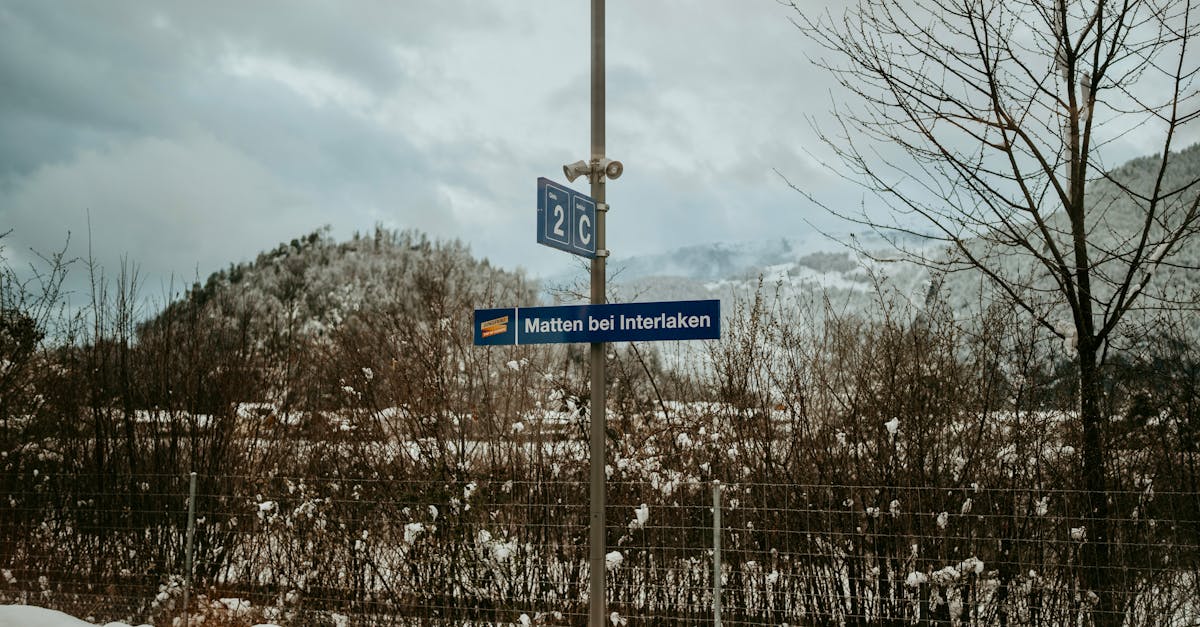 This photo was taken by Parth Patel on Pexels.
Welcome to the heart of German culinary culture, where every meal tells a story of tradition, regional pride, and communal joy. From the crisp morning crunch of freshly baked breads to the robust flavors of a midday stew and the cozy simplicity of an evening spread, Germany offers a dining experience that is as diverse as it is delicious. Whether you are a seasoned traveler or a curious foodie planning your first visit, this guide will take you beyond the stereotypes to uncover the true essence of Frühstück, Mitteagsessen, and Abendbrot. Get ready to savor the flavors that have sustained families and friends for generations as we explore the art of mastering the daily rhythm of German eating.
The Art of the German Frühstück: Beyond Bread and Jam
While the stereotype of a German breakfast often reduces to a simple slice of bread with jam, the reality is a vibrant and elaborate affair known as Frühstück that truly deserves its own culinary spotlight. In cozy cafes across Munich or Berlin, you will find tables laden with an impressive array of fresh baked goods, from flaky croissants and soft pretzels to dense rye loaves, all accompanied by a symphony of toppings like honey, nutella, various fruit preserves, and artisanal cheeses. The experience extends beyond the plate, featuring a rich selection of cold cuts such as salami, ham, and liverwurst, alongside perfectly boiled eggs, creamy quark, and crisp vegetables, creating a hearty foundation that fuels the day's adventures.
What elevates this morning ritual from a mere meal to an art form is the emphasis on quality, freshness, and the communal atmosphere of sharing. It is common for locals to linger over their coffee, often served in traditional ceramic cups, while engaging in lively conversation about the daily news or weekend plans, turning the breakfast table into a social hub rather than a quick stop. Whether you are indulging in sweet spreads paired with warm rolls or savoring savory delicacies with a side of yogurt and granola, the German Frühstück invites you to slow down and appreciate the meticulous preparation behind every bite, proving that the day begins not just with sustenance, but with a celebration of flavor and tradition.
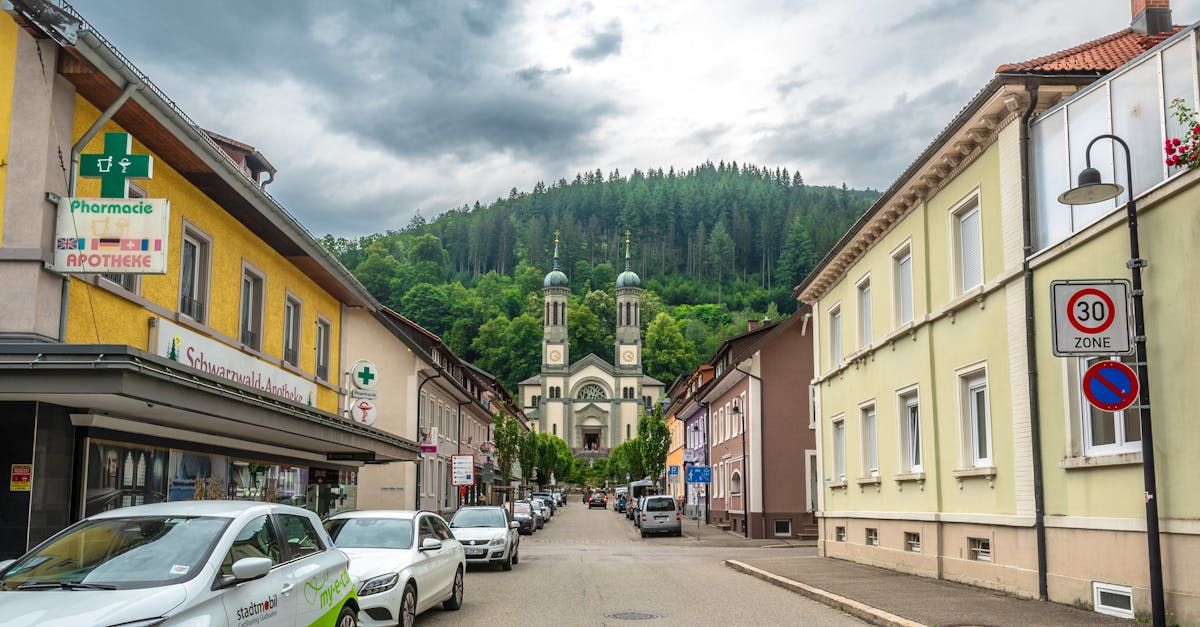 This photo was taken by Chetan Sharma Golla on Pexels.
Mitteagsessen: Unpacking Germany's Hearty Lunch Traditions
In the bustling rhythm of German daily life, Mittagsessen serves as the pivotal anchor that fuels the afternoon with energy and tradition. Unlike the light snacks common in some other cultures, a proper German lunch is often a substantial affair, historically centered around hot meals like Kartoffelsalat (potato salad), Schnitzel with rice or spätzle, or hearty soups such as Linsensuppe. While modern office culture has introduced quick sandwiches, many Germans still adhere to the custom of taking a longer break to enjoy a warm dish, especially in smaller towns where local restaurants feature "Tagesgericht" (dish of the day) specials that highlight seasonal ingredients and regional specialties.
The social aspect of this midday meal cannot be overstated, as it remains a cherished time for colleagues and families to gather and unwind before the workday resumes. In Bavaria, for instance, one might find groups enjoying a simple but filling plate of Weisswurst with sweet mustard and a pretzel, while in the north, fish dishes like Heringssalat are popular staples. Whether enjoyed at a standing bar in Berlin or a family-run Gasthaus in the Black Forest, the German lunch tradition emphasizes quality over speed, offering travelers a genuine taste of the country's culinary soul and its deep-rooted appreciation for nourishing, home-style cooking.
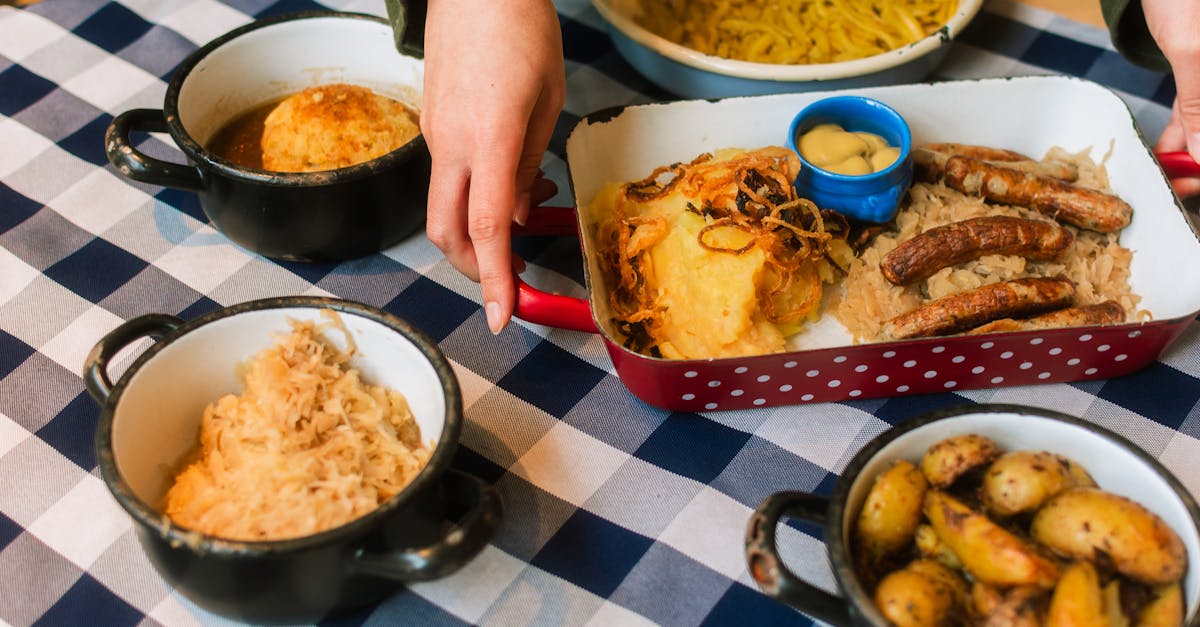 This photo was taken by cami on Pexels.
Abendbrot and Beyond: A Journey Through Evening Dining Culture
In Germany, the evening meal known as Abendbrot (literally "evening bread") stands in stark contrast to the hearty lunches often enjoyed by locals. Rather than a cooked, hot dinner served at a specific hour, this tradition centers around a cold spread of high-quality breads, cured meats like Aufschnitt, cheeses, and fresh vegetables, all arranged on a communal platter. Families and friends gather around the table not just to eat, but to unwind and share stories after the workday, making it an intimate ritual that emphasizes simplicity and conversation over elaborate preparation. This custom reflects a deeply ingrained cultural value where the evening is reserved for relaxation, allowing the day's stresses to dissolve amidst the comforting aroma of fresh rye and crisp salads.
Beyond the traditional Abendbrot, Germany's evening dining landscape has evolved into a vibrant tapestry of regional specialties and modern culinary innovations. While many still adhere to the bread-based tradition, urban centers and rural areas alike offer a rich variety of warm dinners, from savory Käsespätzle in the south to hearty fish dishes along the northern coast. Furthermore, the concept of Abendbrot has expanded to include diverse international influences, with pizzerias, currywurst stands, and vegetarian bistros becoming integral parts of the nightly routine. Whether one chooses to keep the old ways alive with a simple loaf of dark bread or explores the bustling night markets serving gourmet treats, German evening dining remains a celebration of community, flavor, and the joy of slowing down at the end of the day.
 This photo was taken by Gundula Vogel on Pexels.