Culinary Delights: A Regional Food Map of Germany
 This photo was taken by cami on Pexels.
Welcome to the heart of German gastronomy, where every region tells a unique story through its flavors. From the hearty traditions of the south to the maritime freshness of the north and the decadent confections that have captivated the world, Germany offers a culinary journey as diverse as its landscapes. In this guide, we will explore the rich tapestry of local specialties, uncovering the secrets behind Bavarian beer gardens, Northern coastal dishes, and legendary desserts. Get ready to embark on a delicious adventure across our country, discovering why German food is much more than just sausages and schnitzel.
The Bavarian Feast: Pretzels, Weisswurst, and Beer Gardens
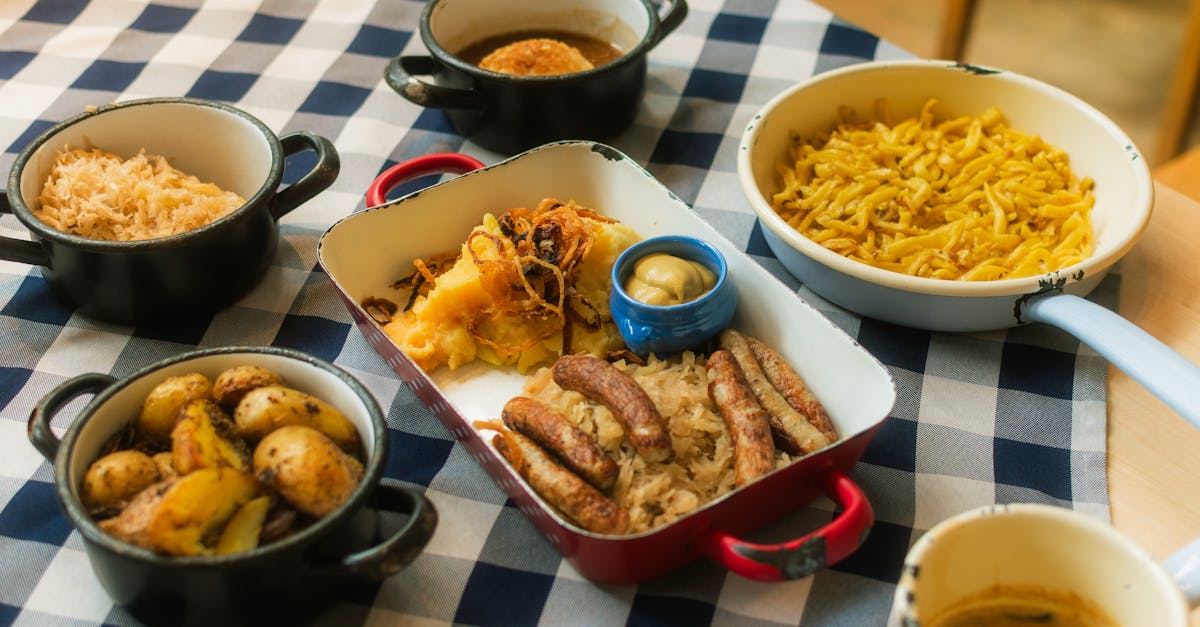
Nothing encapsulates the spirit of Bavaria quite like the tradition of gathering in a beer garden, where long wooden tables under chestnut trees invite strangers to share stories over steins of frosty lager. At the heart of this culinary experience lies the iconic pretzel, or Brezel, its dark, glossy crust giving way to a soft, chewy interior often dusted with coarse salt. This savory delight is perfectly paired with Weisswurst, a delicate white veal sausage seasoned with parsley, lemon, and mace, which locals traditionally enjoy before noon alongside a dollop of sweet mustard. Whether you are sipping a crisp Helles or a robust Dunkel, the atmosphere is one of relaxed camaraderie that has been cherished for centuries.
Beyond the immediate pleasures of the beer garden, Bavarian cuisine offers a rich tapestry of flavors that reflect the region's agricultural heritage and Alpine geography. As you wander through Munich's Viktualienmarkt or the rustic villages of the Alps, you will discover hearty dishes like Schweinshaxe—a crispy roasted pork knuckle—and creamy potato dumplings served alongside tangy cabbage. The region's commitment to quality is evident in every bite, from the artisanal cheeses produced in the Allgäu to the fruity wines found in the Franconian hills nearby. For the food-loving traveler, these gastronomic adventures provide an authentic taste of German culture, proving that Bavaria is as much about the joy of sharing a meal as it is about the stunning landscapes that surround the table.
 This photo was taken by Caique Araujo on Pexels.
Northern Flavors: Fish, Rye, and the Art of Currywurst
In the windswept north, where the North and Baltic Seas meet the fertile plains, the culinary identity is forged by the bounty of the ocean and the hearty resilience of rye. Here, dishes like Fischbrötchen, a simple yet iconic sandwich featuring fresh herring, mackerel, or shrimp nestled in a crusty roll with onions and pickles, serve as the ultimate street food for locals and visitors alike. This maritime influence extends to the baking traditions of Hamburg and Schleswig-Holstein, where dark, dense rye breads are not merely a side dish but a staple that accompanies savory meals, offering a tangy depth that perfectly balances the richness of smoked fish and creamy sauces found in regional stews.
Yet, no discussion of northern German cuisine would be complete without addressing its most famous modern export: the currywurst. Born in post-war Berlin, this beloved street snack has transcended its origins to become a symbol of German urban culture, even though it is now enjoyed from the icy shores of the North Sea to the Bavarian Alps. The art lies in the perfect marriage of the grilled pork sausage, sliced open to reveal a juicy interior, and doused in a secret blend of ketchup, curry powder, and spices that varies by vendor. Whether enjoyed at a bustling Budenfest (fairground stall) or a quiet corner stand, the currywurst represents the vibrant, evolving spirit of German gastronomy, proving that sometimes the simplest ingredients create the most unforgettable flavors.
 This photo was taken by Alexander Taranenko on Pexels.
Sweet Endings: From Black Forest Cake to Regional Sweets
No German culinary journey is complete without savoring the legendary Schwarzwälder Kirschtorte, or Black Forest Cake. Originating from the lush, misty forests of Baden-Württemberg, this iconic dessert features layers of rich chocolate sponge soaked in kirsch, interspersed with whipped cream and fresh cherries, all crowned with a mountain of chocolate shavings that resemble the dark woods. While it remains the undisputed queen of German patisseries, venturing beyond the Black Forest reveals a treasure trove of regional confections; from the buttery, flaky Linzer torte of Bavaria to the crispy, sugar-dusted Berliner Pfannkuchen enjoyed across the north, each sweet treat tells a story of local ingredients and centuries-old baking traditions.
As you explore Germany's diverse landscapes, your palate will discover unique specialties that reflect the character of each region, such as the creamy, vanilla-infused Kaiserschmarrn from Austria's neighboring Bavarian Alps or the delicate, almond-filled Streuselkuchen found in the Rhineland. These desserts are often best experienced in traditional cafes where the aroma of freshly ground coffee mingles with the scent of baked goods, offering a warm welcome to weary travelers. Whether you are indulging in a simple, rustic fruit tart in the south or a decadent chocolate truffle in Berlin, these sweet endings provide the perfect conclusion to a day of exploring Germany's historic cities and picturesque countryside, proving that the country's gastronomic map is just as rich and varied as its cultural heritage.
 This photo was taken by Amadeu Chianeque on Pexels.