Culinary Delights: Regional Specialties You Can't Miss
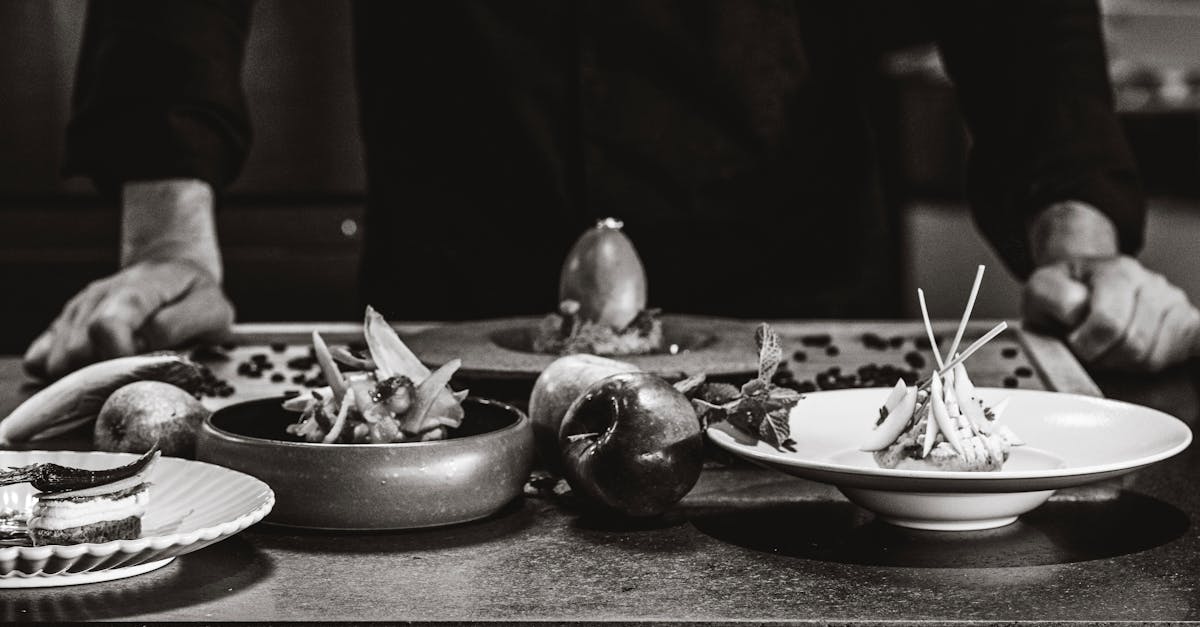 This photo was taken by S O U L C A T CH E R on Pexels.
Welcome to the heart of German gastronomy, where every region tells a unique story through its flavors. From the hearty, smoke-kissed sausages of the Bavarian Alps to the fresh, briny catch of the North Sea coast, our culinary landscape is as diverse as it is delicious. In this journey, we will explore the savory treasures that define Germany's south and north, uncover the sweet secrets behind our world-famous pastries, and guide you in pairing your meal with the perfect local wine or craft beer. Get ready to savor the authentic taste of Deutschland, one bite at a time.
From Bavarian Bratwurst to Northern Fish: A Taste of the South and North
Journeying south into the heart of Bavaria, your palate is greeted by the smoky, savory essence of a perfectly grilled Bratwurst, often served with hearty mustard and a crusty pretzel. This region's cuisine is deeply rooted in tradition, featuring robust dishes like Weisswurst at breakfast or rich Schweinshaxe (pork knuckle) for dinner, all best enjoyed in rustic beer gardens under chestnut trees. The flavors here are bold and comforting, reflecting a culture that takes pride in its agricultural heritage and the art of brewing some of the world's finest beers, making every meal a celebration of southern German identity.
In stark contrast, venturing north to the coastal states of Schleswig-Holstein and Hamburg reveals a culinary landscape dominated by the fresh bounty of the North and Baltic Seas. Here, the star of the show is undoubtedly fish, particularly the delicate Nordseekrabben (North Sea prawns) and various preparations of Hering (herring), which can be found marinated, fried, or as part of the famous Fischbrötchen sandwich sold at bustling harborside stalls. Accompanied by a glass of crisp white wine or a local craft beer, these lighter, briny flavors offer a refreshing counterpoint to the heavy meats of the south, showcasing how Germany's diverse geography directly shapes its unforgettable regional gastronomy.
 This photo was taken by Erik Mclean on Pexels.
Sweet Indulgences: Germany's Most Famous Desserts and Pastries
Germany's dessert scene is a delightful journey through centuries of tradition, where every region offers its own unique sweet signature. In the south, Bavaria captivates visitors with the Berliner Pfannkuchen, also known as Berliner or Krapfen—fluffy, yeast-doughnuts filled with luscious raspberry jam and dusted generously with powdered sugar. Meanwhile, in the west, the Black Forest (Schwarzwälder Kirschtorte) stands as an iconic masterpiece, layering rich chocolate sponge, whipped cream, fresh cherries, and a hint of kirsch liqueur to create a symphony of flavors that has delighted palates worldwide since the 19th century.
For those seeking something warm and comforting, no visit to Germany is complete without sampling a freshly baked Eierkuchen (German crepe) slathered in apple sauce or topped with cinnamon sugar, a staple found in bakeries from Berlin to Hamburg. If your taste leans toward the decadent, the Rote Grütze of the north offers a refreshing contrast with its vibrant red berry compote served alongside vanilla sauce or cream. Whether you are indulging in a flaky Apfelstrudel in a cozy café in Dresden or savoring a slice of dense Mohnkuchen (poppy seed cake) in the Rhineland, these culinary treasures provide the perfect sweet conclusion to any gastronomic adventure in this diverse country.
 This photo was taken by Plato Terentev on Pexels.
Regional Wines and Craft Beers: Pairing Your Meal with Local Flavors
Germany's culinary landscape is deeply intertwined with its viticulture and brewing traditions, offering a symphony of flavors that perfectly complement regional dishes. In the south, particularly in Baden-Württemberg and Bavaria, you will find world-renowned Rieslings from the Mosel valley or robust Weissbiers that cut through the richness of local specialties like Schweinshaxe (pork knuckle) and Obatzda cheese spread. These beverages are not merely drinks but essential partners to your meal; a crisp, mineral-driven white wine enhances the delicate sweetness of freshwater fish in the north, while a hearty Dunkel lager stands up to the savory depth of sausages and dark rye breads found in traditional Gasthäuser.
Beyond the famous beer gardens, Germany boasts a vibrant craft beer scene where small-breweries experiment with local herbs, fruits, and spices, creating unique pairings that tell the story of their specific region. Whether you are exploring the hoppy IPA revolution in Berlin or sipping on a fruity Gose in Leipzig, these artisanal brews provide an exciting contrast to the classic recipes passed down through generations. By thoughtfully selecting a local vintage or a microbrewed pint, you elevate your dining experience, turning a simple lunch into a cultural immersion that celebrates the diverse terroir and craftsmanship inherent to German gastronomy.
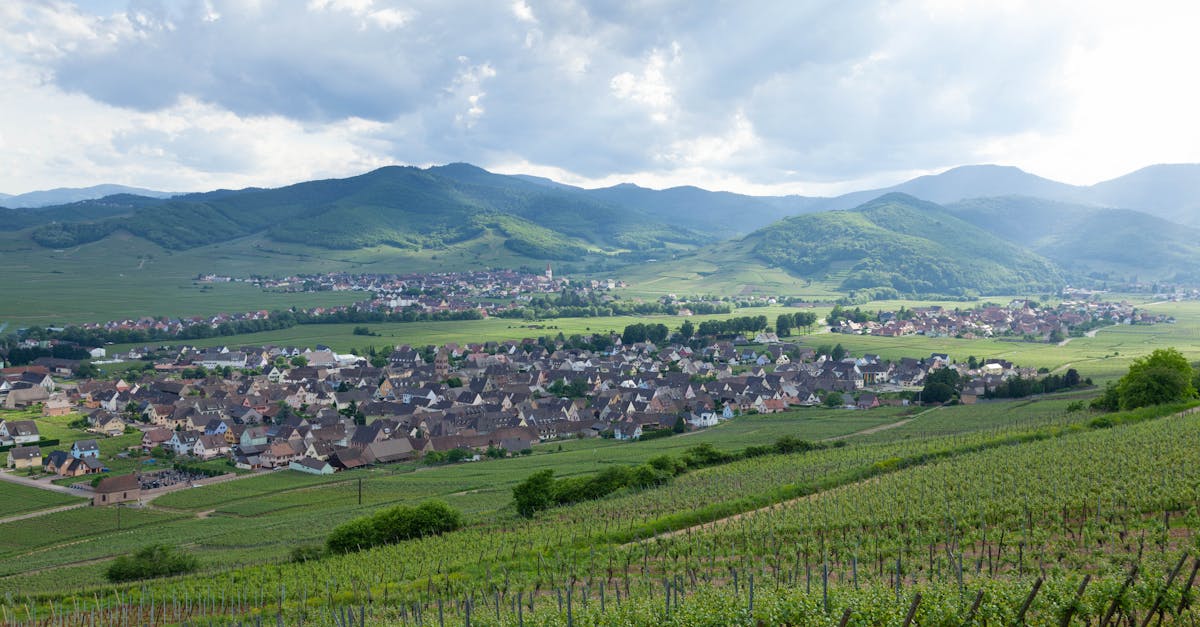 This photo was taken by PHILIPPE SERRAND on Pexels.