Culinary Delights: What to Eat in Hamburg, Cologne, and Dresden
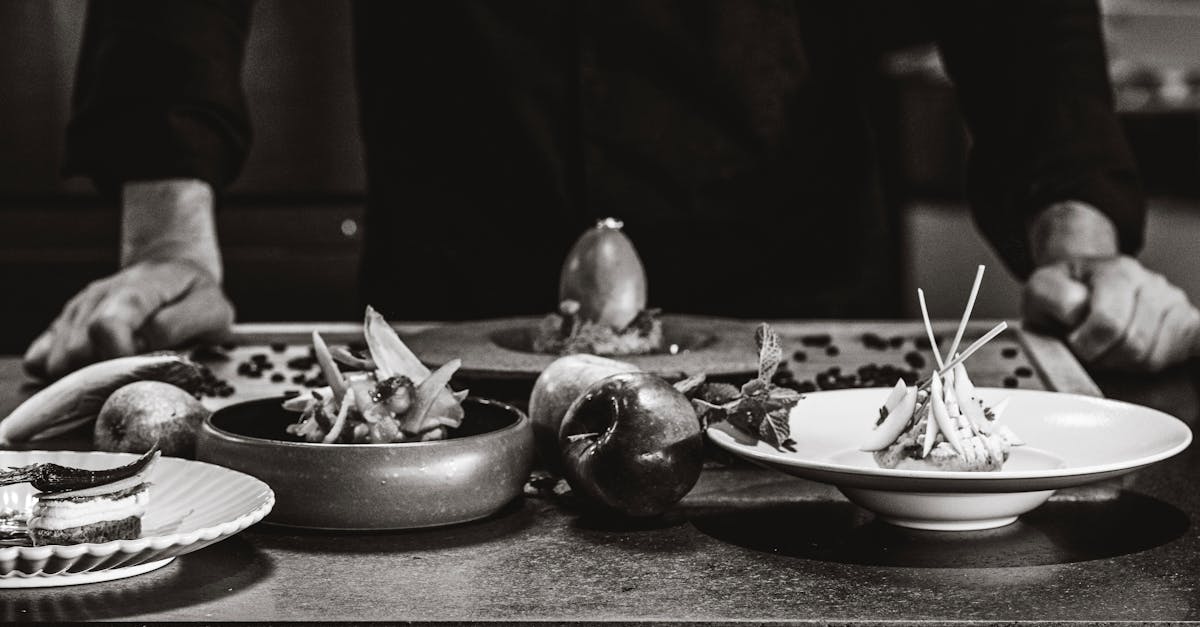 This photo was taken by S O U L C A T CH E R on Pexels.
Welcome to the heart of Germany's gastronomic landscape, where every region tells a unique story through its flavors. From the bustling waterfront of Hamburg to the historic streets of Cologne and the elegant baroque architecture of Dresden, our culinary journey promises an unforgettable feast for the senses. Whether you are craving fresh seafood by the Elbe River, hearty pork knuckles paired with local beer in the Rhineland, or delicate layered cakes steeped in Saxon tradition, this guide will lead you to the most authentic dining experiences across these three iconic cities. Get ready to savor the distinct tastes that make German cuisine so beloved worldwide.
Hamburg's Harbor Feast: From Fischbrötchen to Black Forest Cake
Begin your culinary journey in the vibrant port city of Hamburg, where the air is often filled with the briny scent of the Elbe River and the promise of fresh seafood. No visit to this northern gateway is complete without indulging in a classic Fischbrötchen, a simple yet iconic sandwich featuring crispy fried fish or succulent herring nestled in a warm, buttery roll and topped with tangy pickles, onions, and a generous dollop of creamy remoulade. As you stroll along the bustling Speicherstadt or the modern HafenCity, these handheld delicacies serve as the perfect lunchtime companion, offering an authentic taste of Hanseatic tradition that has sustained locals and travelers alike for generations.
While the harbor offers savory triumphs, Hamburg's dessert scene provides a delightful twist on regional expectations, blending local flavors with national favorites. Although the Black Forest Cake (Schwarzwälder Kirschtorte) originates from the distant southwest, it is a beloved staple in Hamburg's historic cafes like Café Schimanski, where its layers of chocolate sponge, whipped cream, and cherries soaked in kirsch are executed with meticulous precision. After savoring the crisp freshness of the sea, sit back in a cozy corner of the Altstadt and enjoy this rich, decadent treat, perhaps accompanied by a strong German coffee, to experience how Hamburg seamlessly integrates international culinary treasures into its own unique gastronomic identity.
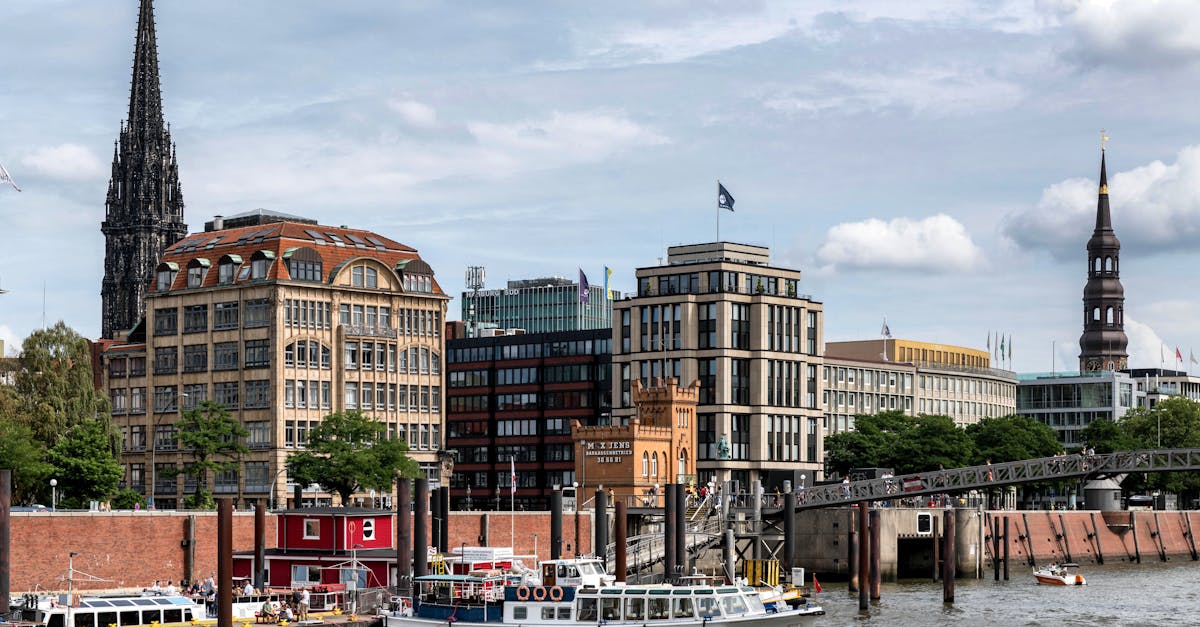 This photo was taken by Wolfgang Weiser on Pexels.
Cologne's Quirky Comforts: Kölsch, Haxe, and Himmel un Ääd
Stepping into a traditional Kölsch brewery in Cologne is less about dining and more about joining a lively, communal ritual where the beer flows as freely as the conversation. Here, waiters clad in white jackets serve small, cylindrical glasses of the city's signature pale ale directly to your table, adhering to the strict local rule that you must signal for a refill before the glass empties. This unique drinking culture sets the stage for indulging in hearty regional specialties like Haxe, a succulent pork knuckle roasted until the skin crackles with perfect crispiness while the meat beneath remains tender and juicy. Whether enjoyed alongside a dark lager or simply paired with the endless stream of Kölsch, this dish embodies the warm, unpretentious hospitality that defines the Rhineland's culinary soul.
Beyond the savory meats, Cologne offers a comforting contrast with its most beloved traditional dessert: Himmel un Ääd, which translates poetically to "Heaven and Earth." This rustic dish artfully combines sweet apple sauce and mashed potatoes—representing heaven and earth respectively—with fried onions and often served alongside blood sausage or Blutwurst. It is a humble yet deeply satisfying meal that reflects the agricultural history of the region, proving that German comfort food can be both simple and sophisticated. To truly experience the city's quirky comforts, one should seek out these time-honored recipes in the historic Old Town, savoring each bite while listening to the cheerful hum of locals celebrating life over a cold pint of Kölsch.
 This photo was taken by Abdullah Dawud on Pexels.
Dresden's Sweet & Savory Legacy: Striezel, Eierschecke, and Sauerbraten
Nestled in the heart of Saxony, Dresden offers a culinary journey that masterfully blends history with flavor, best exemplified by its iconic Christmas market treat, the Striezel. This dense, fruit-laden bread, often adorned with marzipan and powdered sugar, is not merely a dessert but a cherished symbol of the city's festive spirit, dating back to the 15th century. While the sweet aromas of gingerbread fill the air during the holidays, the local palate also embraces the unique texture of Eierschecke, a regional specialty that defies simple categorization as either cake or custard. This three-layered delight features a crispy crust at the bottom, a rich, creamy egg custard in the middle, and a light sponge topping, offering a perfect balance of sweetness and richness that has delighted locals for generations.
Beyond the realm of sweets, Dresden's savory cuisine pays homage to the hearty traditions of the region, with Sauerbraten standing as the undisputed king of meat dishes. Unlike other German variations, the Dresden style often incorporates a distinct blend of spices and sometimes a touch of wine or vinegar that creates a complex, tangy sauce served alongside potato dumplings and red cabbage. This slow-cooked pot roast reflects the area's agricultural roots and the patience required to develop such deep flavors, making it a comforting staple in traditional Gasthäusers. Whether you are savoring the delicate layers of an Eierschecke or diving into a steaming plate of Sauerbraten, these dishes provide an authentic taste of Dresden's enduring culinary legacy.
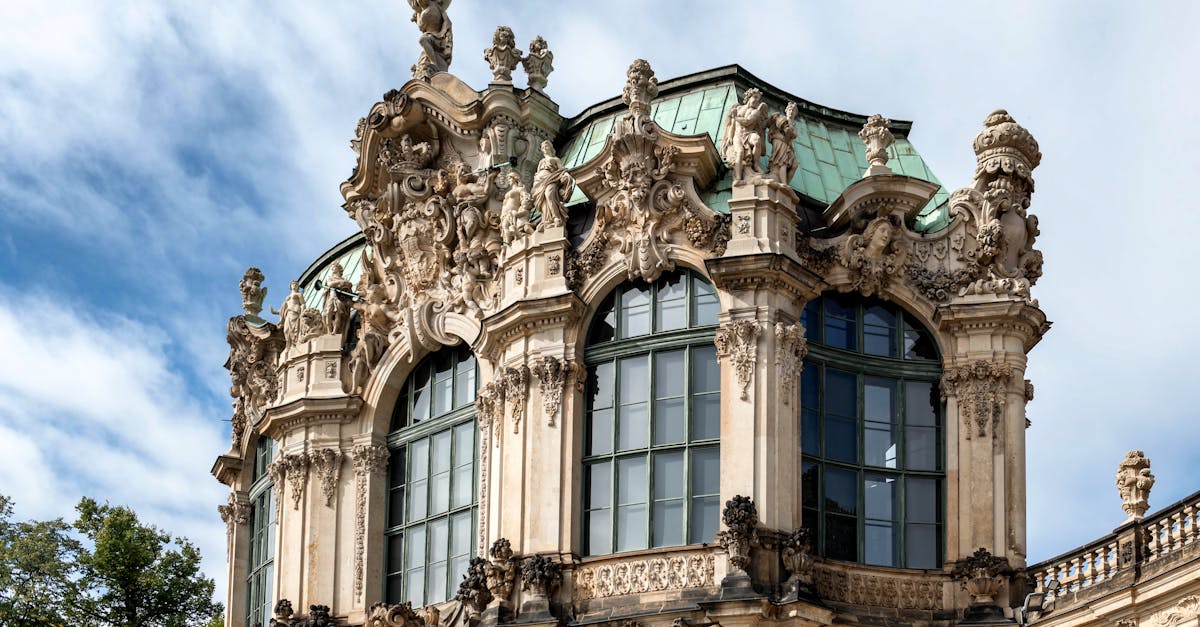 This photo was taken by Wolfgang Weiser on Pexels.