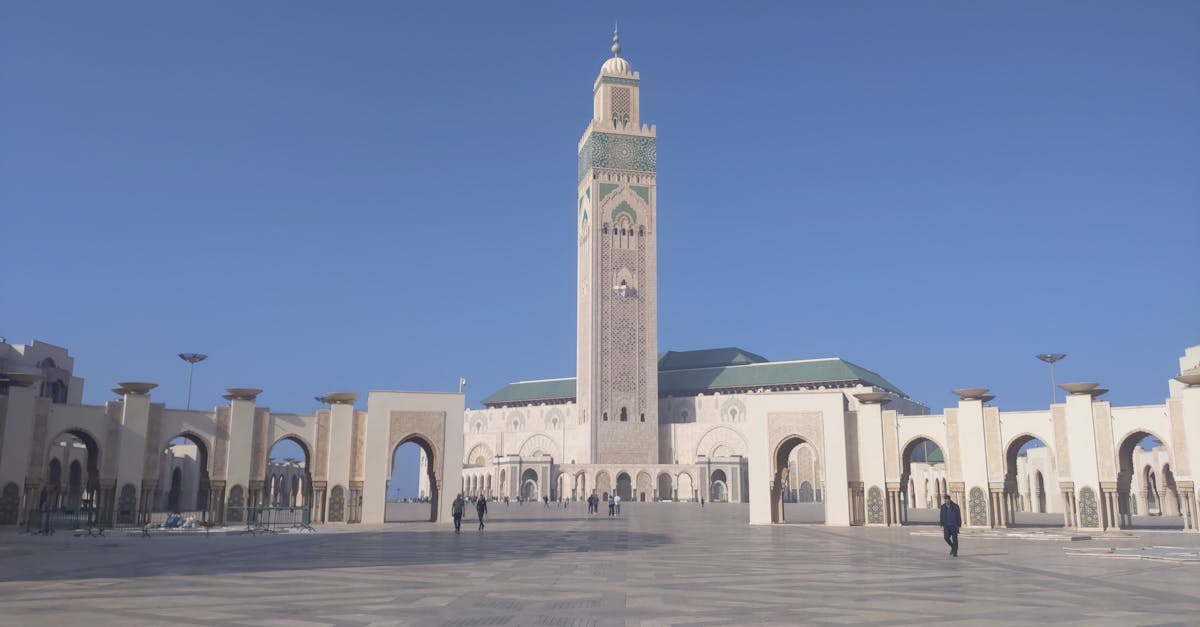
 This photo was taken by Nomad Photographer on Pexels.
Welcome to Saxony, a region where the echoes of imperial grandeur harmonize with the rhythms of modern creativity. As a guide who has walked these cobblestone streets for years, I can tell you that Germany's cultural treasures are not limited to Berlin or Munich. In this post, we journey to two cities that have risen from the ashes of history to redefine themselves: Dresden and Leipzig. From the breathtaking reconstruction of Baroque masterpieces along the Elbe River to the vibrant, grassroots energy that fuels one of Europe's most dynamic art scenes, these twin capitals offer an unforgettable narrative of resilience and rebirth. Get ready to explore the symphony of history and the heartbeat of innovation that makes Saxony truly unique.
A Symphony of History: The Rebirth of Dresden's Baroque Splendor
Following the devastating fires of 1945, Dresden's skyline was once reduced to a haunting silhouette of ruins, yet its resurrection stands as one of Europe's most profound stories of resilience. Today, the Frauenkirche and the Zwinger Palace have been meticulously reconstructed with a unique blend of original sandstone fragments and modern materials, creating a visual dialogue between past and present that honors the city's Baroque heritage without erasing its scars. As you stroll along the banks of the Elbe River, the golden domes and ornate facades reflect not just architectural grandeur but a collective determination to reclaim beauty from tragedy, inviting visitors to witness how history can be preserved while embracing the future.
This rebirth extends beyond mere stone and mortar, transforming Dresden into an open-air museum where centuries of artistic evolution are celebrated in every corner. The Semperoper, now restored to its former glory, hosts world-class performances that echo through halls reminiscent of imperial courts, while the Green Vault dazzles with treasures that survived the war to tell tales of Saxon royalty. For the traveler, exploring these revitalized landmarks offers more than aesthetic pleasure; it provides a deep emotional connection to a city that chose to rebuild its soul rather than let it fade, making Dresden an essential stop for anyone seeking to understand the enduring power of culture in Germany.

This
photo was taken by
Gül Işık on Pexels.
The Heartbeat of Innovation: Leipzig's Cultural Renaissance
Leipzig has transformed from an industrial giant of the former East into a vibrant epicenter of creativity, earning its reputation as the "Heartbeat of Innovation." Once defined by its massive factories and tram networks, the city now pulses with the energy of artists, musicians, and tech entrepreneurs who have reclaimed its historic warehouses and converted them into dynamic cultural hubs. The famous St. Thomas Church, where Bach once served as cantor, stands today not just as a monument to history but as a living symbol of this renaissance, hosting concerts that blend centuries-old traditions with contemporary experimental sounds. Visitors can wander through the vibrant streets of the Connewitz district or explore the sprawling Spinnerei art complex, where old textile mills house cutting-edge galleries and studios, creating a unique atmosphere where the past and future collide in a symphony of progress.
This cultural metamorphosis is deeply rooted in Leipzig's spirit of openness and resilience, qualities that were forged during the peaceful revolution of 1989 and continue to shape its identity today. The city offers an authentic, unpretentious experience for travelers seeking something beyond the typical tourist trail, with a thriving café culture, a world-renowned jazz festival, and a literary scene that rivals Berlin's. Unlike many other German cities that have become overly polished for mass tourism, Leipzig retains a gritty, organic charm that invites exploration and discovery, making it the perfect destination for those who wish to witness how a city reinvents itself while honoring its deep historical roots.

This
photo was taken by
Erik Mclean on Pexels.
Art, Music, and Resilience: Unearthing the Soul of Saxony
Leipzig and Dresden stand as twin beacons of cultural resilience, where the echoes of history resonate through vibrant modern art scenes and world-class musical traditions. In Leipzig, the city that Bach once called home, you can walk the same cobblestone streets where J.S. Bach composed his masterpieces, now pulsating with a contemporary energy in galleries like the Neue Leipziger Schule and concert halls that host everything from classical symphonies to avant-garde jazz. Meanwhile, Dresden's Baroque splendor, meticulously restored after the ravages of war, tells a profound story of rebirth; its Zwinger Palace and Semperoper are not just architectural marvels but living testaments to the region's unyielding spirit, inviting visitors to immerse themselves in an atmosphere where past glory and present creativity harmoniously coexist.
The soul of Saxony is further revealed through its unique ability to transform trauma into triumph, a narrative deeply woven into its artistic fabric. From the hauntingly beautiful Frauenkirche in Dresden, which stands as a symbol of reconciliation and peace, to the gritty, creative workshops of Leipzig's former industrial districts turned cultural hubs, these cities offer a compelling journey through time. As you explore the intricate frescoes of the Green Vault or attend a performance at the Gewandhaus Orchestra, you are witnessing more than just art; you are experiencing a community that has mastered the art of remembering while embracing the future, making your visit a deeply moving encounter with the enduring human capacity for renewal.

This
photo was taken by
Caique Araujo on Pexels.