Cultural Etiquette 101: What Every Tourist Should Know Before Visiting
 This photo was taken by Erik Mclean on Pexels.
Welcome to the heart of Europe, where history meets precision and tradition shapes daily life. As your guide through this fascinating country, I want to ensure your journey is not only memorable but also deeply respectful of local customs. Germany offers an incredible tapestry of experiences, from the historic castles of Bavaria to the vibrant street art of Berlin, yet understanding the unspoken rules can make all the difference in how you connect with the culture. In this post, we will explore essential cultural etiquette that goes beyond the guidebooks, helping you navigate social interactions with confidence. We will dive into why being on time is a virtue, the significance of formal greetings, the value placed on silence in public spaces, and the unique recycling system that every visitor should master. Let's embark on a journey to live like a true local and discover the warmth hidden behind German efficiency.
The Art of Punctuality: Why 'Pünktlichkeit' Matters
In Germany, punctuality is far more than a simple preference; it is a fundamental social contract known as Pünktlichkeit that signals respect for others' time and integrity. Whether you are meeting a business contact in Frankfurt, catching a regional train in the Black Forest, or arriving at a dinner party in Munich, being even five minutes late can be perceived as rude or unprofessional. Locals pride themselves on their precision, often planning their journeys with exacting detail to ensure they arrive exactly on schedule, so as a visitor, making an effort to be early demonstrates that you value German culture and etiquette.
This cultural norm extends seamlessly into daily interactions, from the strict adherence to public transport timetables where doors close precisely on the minute, to the expectation that appointments start and end without delay. While major cities like Berlin may have a slightly more relaxed atmosphere in certain social circles, the general rule remains that lateness should be avoided unless there is a genuine emergency, in which case immediate communication is essential. By embracing this aspect of German life, tourists not only avoid potential misunderstandings but also gain the trust and appreciation of locals who view your reliability as a sign of good character.
This photo was taken by Erik Mclean on Pexels.
Guten Tag First: The Importance of Formal Greetings
In Germany, the simple act of saying "Guten Tag" is far more than a casual hello; it is a fundamental sign of respect that sets the tone for every interaction you will have. Unlike in many English-speaking countries where informality is often embraced immediately, German culture places a high value on formality and boundaries, especially with strangers, service staff, or anyone you meet for the first time. Using the polite "Sie" form instead of the informal "du," combined with a firm handshake and direct eye contact, signals that you are aware of local customs and appreciate their societal norms. Failing to observe this initial protocol can sometimes be perceived as rude or overly familiar, potentially creating an unnecessary barrier before your conversation even begins.
This emphasis on proper greetings extends beyond just words and permeates various social settings, from ordering coffee at a bustling Berlin café to checking into a hotel in Munich. Locals generally appreciate when visitors take the effort to learn these basics, as it demonstrates a genuine interest in integrating respectfully into the community rather than expecting everyone to adapt to foreign habits. By starting every encounter with a dignified "Guten Tag" and waiting to be invited to use the informal "Du," tourists show they understand the German preference for order and mutual respect. Mastering this small but significant cultural nuance not only smooths your daily transactions but also opens doors to warmer, more authentic connections with the people who call Germany home.
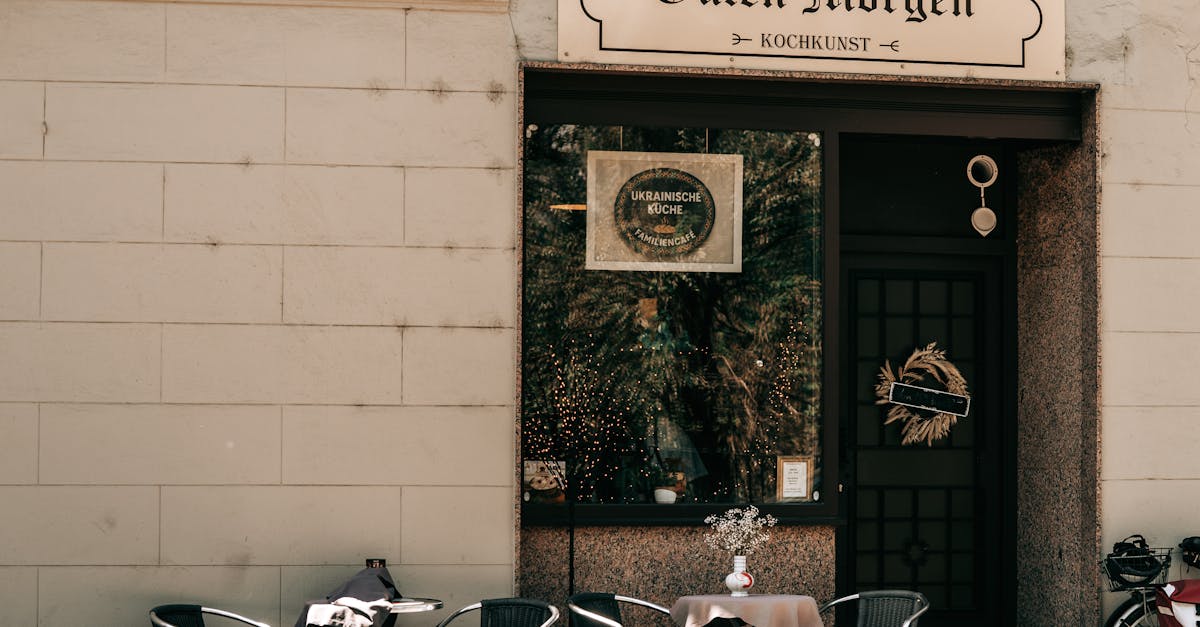 This photo was taken by Tamara G.P on Pexels.
Quiet Zones and Recycling Rules: Living Like a Local
One of the most immediate adjustments visitors must make is respecting Germany's strict "quiet zones," known as Ruhezeiten. Typically enforced from 10:00 PM to 6:30 AM on weekdays and throughout the entire day on Sundays, these hours are sacred for rest; even loud conversations in apartment buildings or the sound of vacuuming can result in stern warnings or fines. This cultural reverence for silence extends beyond residential areas, so it is advisable to keep your voice down in public transport and avoid using power tools or mowing lawns during these protected times, as locals view this tranquility not just as a rule, but as a fundamental right that ensures everyone gets adequate sleep.
Equally important to blending in is mastering the complex yet rewarding system of recycling, which Germans take incredibly seriously. Before you step out of your accommodation, familiarize yourself with the color-coded bins: yellow bags for packaging and plastics, blue for paper, brown for organic waste, and black for residual trash, while glass bottles must be returned to specific store machines rather than general bins. Failure to separate waste correctly is more than an inconvenience; it is seen as a breach of social contract, and many municipalities charge fees for improper disposal. By diligently sorting your trash and returning deposit containers (Pfand), you demonstrate respect for the environment and show that you are embracing the local ethos of responsibility and order.
 This photo was taken by Joshua Brown on Pexels.