Cultural Gems: Museums in Dresden, Leipzig, and Hamburg
 This photo was taken by Caique Araujo on Pexels.
Welcome, travelers! As your guide through the vibrant landscapes of Germany, I invite you to embark on a captivating journey through three cities that stand as true pillars of our nation's cultural heritage. From the baroque splendor of Dresden to the rhythmic streets of Leipzig and the dynamic harbor of Hamburg, this blog post will unlock the doors to some of Europe's most extraordinary museums. Whether you are a history buff, an art enthusiast, or simply curious about the stories that shaped these regions, get ready to explore the artistic heart of Dresden, follow in the footsteps of musical giants in Leipzig, and discover where maritime tradition meets modern innovation in Hamburg.
The Artistic Heart of Dresden: From the Zwinger to Green Vault
Nestled in the heart of Saxony, Dresden stands as a testament to artistic resilience and Baroque grandeur, anchored by the magnificent Zwinger Palace. This architectural masterpiece, with its intricate rococo pavilions and lush gardens, houses world-renowned collections including the Gemäldegalerie Alte Meister, where Raphael's "Sistine Madonna" captivates visitors. Just steps away lies the Green Vault (Grünes Gewölbe), an opulent treasury that once held the treasures of the Saxon electors and has been meticulously restored to reveal its dazzling array of jewels, ivory carvings, and goldsmith work. Walking through these halls feels like stepping back into the 18th century, offering an immersive journey into the lavish lifestyle and refined tastes of European royalty.
The artistic narrative of Dresden extends beyond mere display; it is a living dialogue between history and modern curation. The Zwinger's courtyard often hosts cultural events under the open sky, blending classical music performances with the surrounding statuary, while the newly expanded Green Vault offers a state-of-the-art presentation that makes even the most obscure artifacts accessible and engaging. For the culture enthusiast, this district represents more than just a cluster of museums; it is the pulsating center of Germany's art scene, where the dust of reconstruction from World War II has settled into a vibrant celebration of human creativity. Whether you are admiring the delicate porcelain or marveling at the sheer scale of the baroque architecture, Dresden invites you to lose yourself in a landscape where every corner whispers stories of artistic triumph.
 This photo was taken by Erik Mclean on Pexels.
Leipzig's Musical Legacy and Literary Landmarks
Nestled in the heart of Saxony, Leipzig stands as a monumental pillar of German musical heritage, famously known as the city where Johann Sebastian Bach spent his most productive years as Thomaskantor. Visitors can still feel the echo of history at the St. Thomas Church, where Bach is buried and his legacy lives on through daily performances of his sacred cantatas, while the nearby Gewandhaus concert hall remains one of the world's premier venues for classical music. This vibrant atmosphere extends beyond the Baroque era, having later welcomed giants like Felix Mendelssohn Bartholdy and Richard Wagner, making it an essential pilgrimage site for anyone seeking to understand the soul of German composition.
Beyond its auditory treasures, Leipzig offers profound literary landmarks that celebrate the nation's rich intellectual tradition, most notably at the St. Nicholas Church, which served as the spiritual epicenter of the 1989 Peaceful Revolution. The city was also home to Friedrich Schiller, who wrote some of his most famous works here, and it continues to honor its connection to literature through the Goethe House and various museums dedicated to the writers who shaped the Romantic movement. Walking through the historic Old Town, tourists are not merely sightseeing but stepping into a living narrative where the pen and the baton have long held equal sway over the cultural consciousness of Germany.
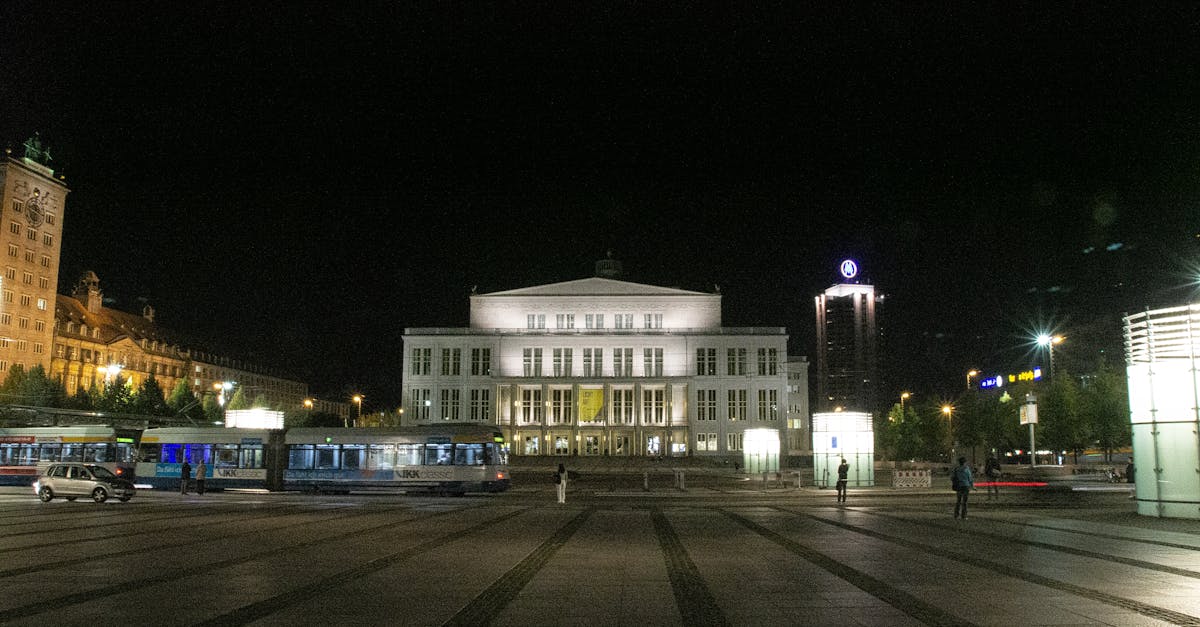 This photo was taken by Antonio Friedemann on Pexels.
Hamburg's Maritime Heritage and Modern Art at HafenCity
Immerse yourself in the pulsating rhythm of Hamburg's maritime soul within HafenCity, where the city's rich nautical history seamlessly blends with its contemporary evolution. Once a sprawling industrial dockland, this area has been transformed into Europe's largest inner-city development project, yet it proudly retains its connection to the Elbe River through iconic landmarks like the historic Speicherstadt warehouses and the modern Elbphilharmonie concert hall. Visitors can stroll along the waterfront promenades, marveling at the juxtaposition of cranes that once loaded cargo ships against sleek glass facades, while learning about the Hanseatic League's legacy at the nearby Deutsches Schiffahrtsmuseum, which offers a fascinating glimpse into Germany's seafaring past.
Beyond its historical roots, HafenCity serves as a vibrant canvas for cutting-edge modern art, hosting world-class institutions that redefine the cultural landscape of northern Germany. The Museum für Kunst und Gewerbe (Museum of Arts and Crafts) stands as a testament to the region's design heritage, showcasing everything from intricate textiles to futuristic installations, while the new extensions of the city often feature temporary exhibitions by international artists that challenge perceptions of urban space. Whether you are exploring the interactive exhibits at the Miniatur Wunderwelt or attending an avant-garde performance at the Elbphilharmonie, this district proves that Hamburg is not merely a port of call but a dynamic hub where tradition and innovation dance together on the edge of the water.
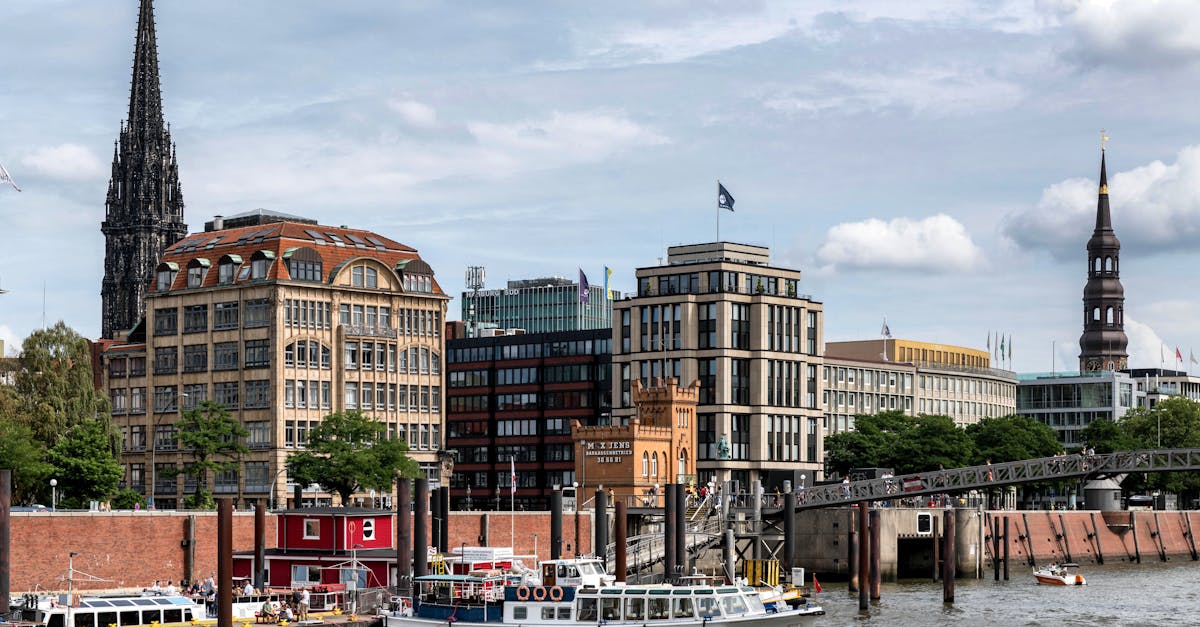 This photo was taken by Wolfgang Weiser on Pexels.