Cultural Heritage: UNESCO World Sites You Can't Miss
 This photo was taken by Erik Mclean on Pexels.
Welcome, fellow travelers! As your guide through the heart of Germany, I am thrilled to introduce you to a journey that transcends time and terrain. Our nation's cultural landscape is not merely a collection of old buildings; it is a living narrative etched into stone, water, and soil, recognized globally by UNESCO as sites of outstanding universal value. From the romantic riverbanks where legends come alive to the silent sanctuaries of medieval spirituality, and finally to the transformed industrial giants of the north, this post invites you to explore three distinct chapters of our heritage. Join me as we uncover The Majestic Rhine Valley with its fairy-tale castles, wander through the architectural symphony of Lorsch and Maulbronn, and discover how the Ruhr region has reinvented itself from coal mines to vibrant cultural hubs. Let us begin an unforgettable exploration of the treasures you simply cannot miss.
The Majestic Rhine Valley: Castles and Vineyards
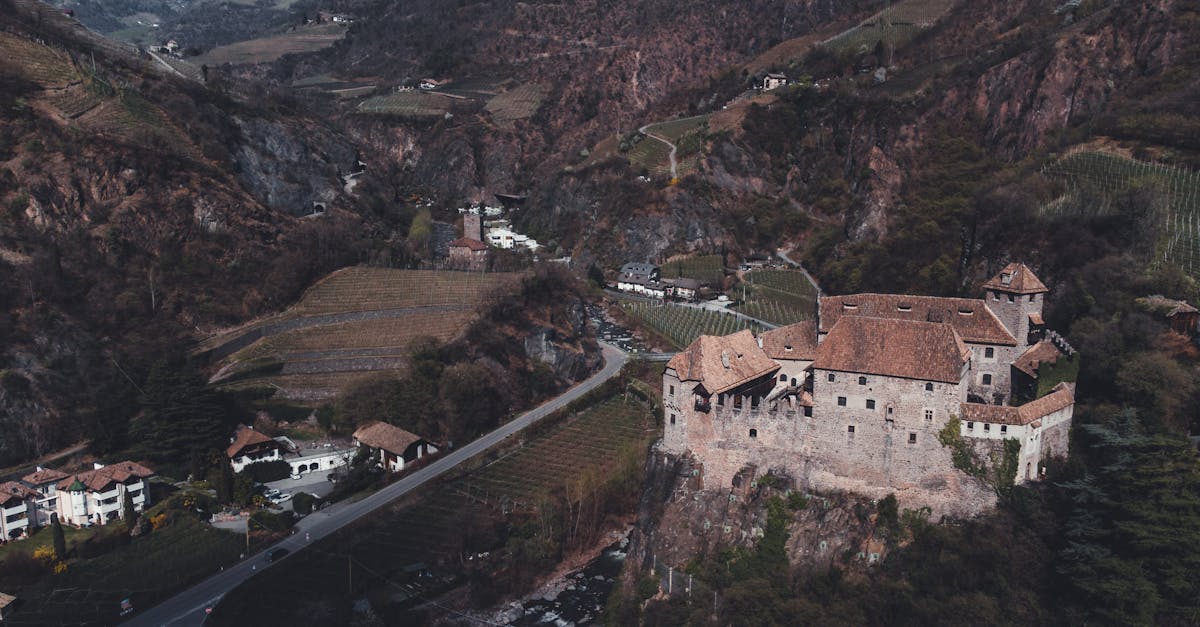
Winding through the heart of Germany, the Rhine Valley offers a breathtaking tapestry of history and nature that has captivated travelers for centuries. As you cruise along the river or trek its scenic paths, you are surrounded by over 40 medieval castles perched dramatically on steep slate hillsides, their stone towers whispering tales of knights, kings, and ancient legends. These fortifications, including the iconic Lorelei Rock and the imposing Marksburg, stand as silent sentinels guarding a landscape where time seems to have stood still, creating an atmosphere of romantic grandeur that is quintessentially German.
Beyond the architectural marvels, the valley's rolling slopes are meticulously cultivated with vineyards that produce some of the world's most renowned Rieslings. The interplay of sunlight on these terraced rows creates a golden shimmer against the deep green foliage, inviting visitors to indulge in wine tastings at historic estates nestled within charming villages like Bacharach and Rüdesheim. This unique fusion of cultural heritage and viticulture earned the Middle Rhine Valley its UNESCO World Heritage status in 2002, ensuring that this picturesque region remains not just a feast for the eyes, but a living testament to Germany's enduring artistic and agricultural legacy.
 This photo was taken by Mehmet Ali Turan on Pexels.
A Symphony of Stone: The Monasteries of Lorsch and Maulbronn
Step back into the Carolingian era as you explore the Abbey of Lorsch, a breathtaking testament to early medieval architecture nestled in the Rhine-Main region. This UNESCO World Heritage site is renowned for its iconic gatehouse, the Abtei Torhaus, which stands as one of the most significant examples of pre-Romanesque art in Northern Europe. Walking through its reconstructed cloisters and the adjacent museum, visitors are immersed in a narrative of monastic life that once thrived here, offering a serene glimpse into the spiritual and intellectual heart of the Frankish Empire. The harmonious blend of Roman influences with local Germanic traditions creates an architectural symphony that continues to captivate historians and tourists alike, making it an essential stop for anyone seeking to understand Germany's deep historical roots.
Journey further north to the Black Forest foothills to discover Maulbronn Monastery, often hailed as the best-preserved medieval Cistercian monastery in all of Europe. Founded in 1147, this sprawling complex unfolds like a living history book, featuring Gothic churches, tranquil courtyards, and fortified walls that have remained remarkably intact over eight centuries. A UNESCO World Heritage site since 1993, Maulbronn offers an unparalleled atmosphere of peace where the rhythmic chanting of monks once echoed through stone halls now filled with the soft light filtering through stained glass windows. Whether you are admiring the intricate stonework or simply wandering the peaceful grounds, the monastery provides a profound connection to the monastic ideals of simplicity and devotion that shaped European culture for generations.
 This photo was taken by Jean-Paul Wettstein on Pexels.
Industrial Heritage in the Ruhr: From Coal to Culture
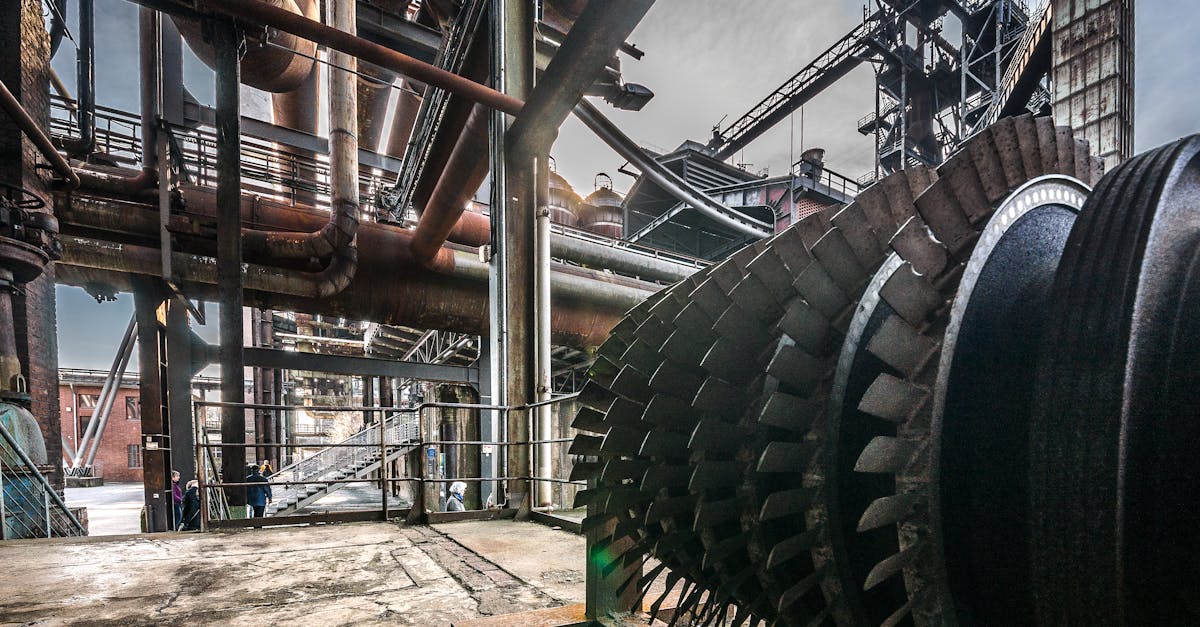
Deep in the heart of North Rhine-Westphalia, the Ruhr Valley stands as a breathtaking testament to Germany's industrial might and its remarkable transformation from a coal-mining powerhouse into a vibrant cultural landscape. Once dominated by towering slag heaps and sprawling steel mills, this region has been meticulously reimagined under the "Ruhr 2010" initiative, where former factories now house world-class art installations, museums, and theaters. Visitors can stroll through the Zollverein Coal Mine Industrial Complex in Essen, a UNESCO World Heritage site that seamlessly blends brutalist architecture with contemporary design, offering guided tours that delve into the gritty history of mining while showcasing how heavy industry was repurposed into a beacon of creativity.
The journey through this industrial heritage is not merely a look back at the past but an immersive experience into the future, where nature and technology coexist in harmony. The Emscher Landscape Park transforms old railway lines into scenic hiking trails and cycling routes, while the iconic Gasometer Oberhausen has been converted into a stunning exhibition space for large-scale art projects. By walking these paths, tourists witness a unique urban regeneration story where the soot-stained chimneys have become symbols of resilience and innovation, proving that the soul of the Ruhr lies not just in its coal, but in its enduring capacity to reinvent itself as a global destination for culture and leisure.
 This photo was taken by Mike van Schoonderwalt on Pexels.