Day Trips from Munich: Exploring Neuschwanstein and Dachau
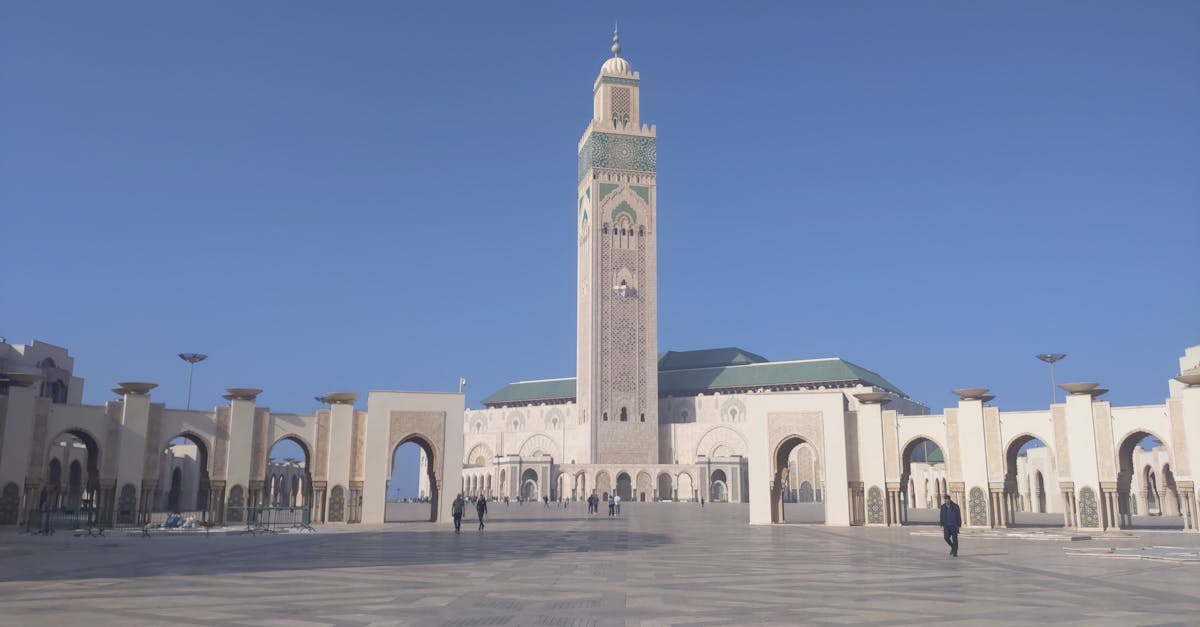 This photo was taken by Nomad Photographer on Pexels.
Welcome to the heart of Bavaria, where history and fantasy intertwine in breathtaking ways. As your local guide, I am thrilled to introduce you to two of the most profound yet contrasting experiences just a short journey from Munich: the majestic Neuschwanstein Castle and the solemn Dachau Concentration Camp Memorial. Whether you are dreaming of stepping into a real-life fairytale or seeking to understand a pivotal chapter of human history, these day trips offer unforgettable perspectives on Germany's past and present. In this post, we will explore the romantic architecture of King Ludwig II's dream palace, reflect deeply on the lessons learned at the Dachau memorial site, and provide you with essential practical tips to ensure your travels are smooth, respectful, and memorable.
The Fairytale Castle: A Journey to Neuschwanstein
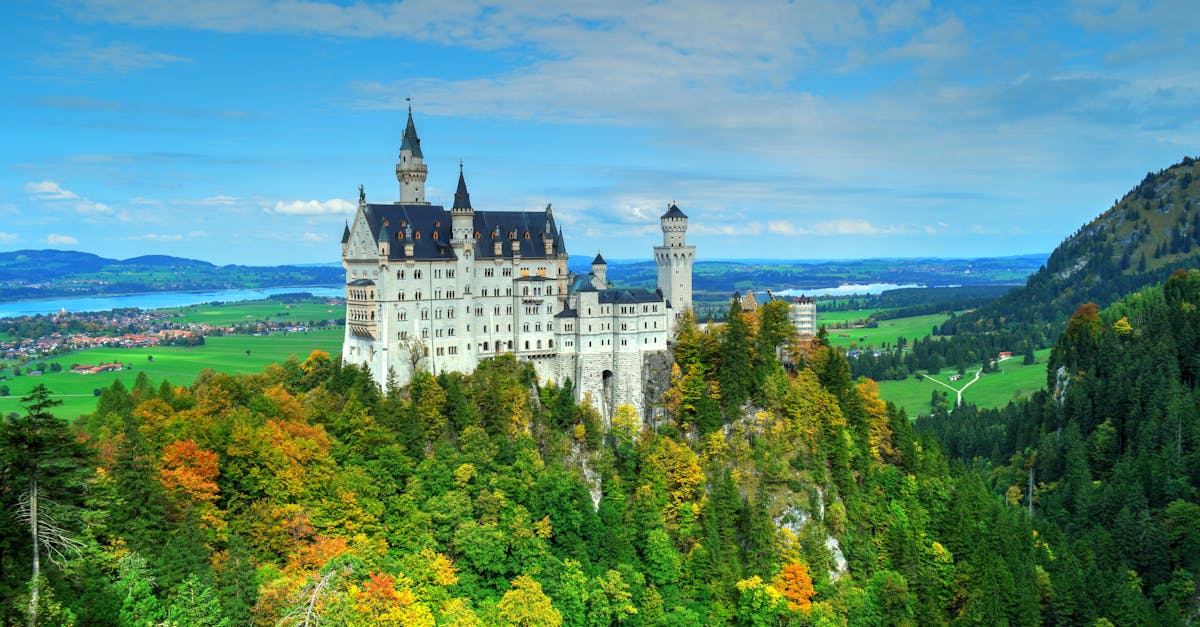
Nestled high in the Bavarian Alps, Neuschwanstein Castle stands as a breathtaking testament to romanticism, inspiring Walt Disney's iconic Sleeping Beauty Castle with its fairy-tale spires and pristine white façade. Just a short train ride from Füssen, this 19th-century folly was commissioned by King Ludwig II as a personal retreat, yet today it welcomes visitors from around the globe who flock to witness its grandeur. Whether you choose to explore the opulent interiors filled with intricate frescoes depicting German legends or simply hike the Marienbrücke (Mary's Bridge) for that perfect panoramic view of the castle perched against the rugged mountains, the journey itself is an enchanting escape into a world where dreams seem tangible.
While the castle offers a visual feast, the surrounding landscape invites you to slow down and immerse yourself in the authentic charm of rural Bavaria. The air here is crisp and mountain-fresh, carrying the scent of pine forests and blooming wildflowers in summer or the quiet stillness of snow-covered peaks in winter. As you wander through the village of Hohenschwangau below, traditional wooden chalets and local bakeries offering warm apple strudel provide a cozy contrast to the monumental architecture above. It is a destination that perfectly encapsulates the magic of Germany, blending natural beauty with historical wonder in a way that leaves every traveler feeling as though they have stepped directly out of a storybook.
 This photo was taken by Gildo Cancelli on Pexels.
A Solemn Reflection: Understanding the Dachau Concentration Camp Memorial
While the fairytale castles of Bavaria often dominate travel itineraries, a profound and necessary journey lies just 20 kilometers west of Munich at the Dachau Concentration Camp Memorial. Established in 1933 as the first regular concentration camp by the Nazi regime, this site serves as a stark reminder of the atrocities committed during World War II, where over 41,000 prisoners from more than 30 nations were held, many perishing from starvation, disease, or execution. Unlike the whimsical architecture of Neuschwanstein, Dachau demands a somber approach; visitors are encouraged to walk the restored barracks, view the original gas chamber (reconstructed for educational purposes), and stand before the crematorium ovens, absorbing the heavy silence that permeates the grounds to truly grasp the magnitude of human suffering.
A visit to Dachau is not merely a historical tour but a deeply emotional exercise in remembrance and reflection, offering a crucial counterbalance to the region's other attractions. The memorial complex includes an extensive museum detailing the daily lives of prisoners and the mechanisms of oppression, alongside the permanent exhibition "Dachau: History of a Concentration Camp" which contextualizes the events within the broader framework of the Holocaust. As you explore the former guardhouse and the prison cells, it becomes evident why this site remains one of Germany's most important places of learning about the dangers of totalitarianism and indifference. For travelers seeking a complete understanding of Bavaria's complex past, integrating this solemn experience into your day trip from Munich provides an essential perspective on resilience, memory, and the enduring importance of never forgetting.
 This photo was taken by Денис Лобанов on Pexels.
Practical Tips for Your Munich Day Trips
When planning your journey to Neuschwanstein, securing a reservation for the castle tour well in advance is absolutely essential, as tickets often sell out weeks ahead of time. To reach the fairytale fortress efficiently, consider taking the public bus from Hohenschwangau train station, which offers scenic views and avoids the steep hike if you prefer a more relaxed arrival; however, be prepared for significant walking once you disembark, as the path to the Marienbrücke (Mary's Bridge) involves navigating cobblestones and uneven terrain. For those venturing to Dachau, remember that while the memorial site is open daily, it requires a respectful silence and adherence to photography restrictions within the exhibition halls, making it a profoundly moving experience that demands both emotional preparation and a few hours of uninterrupted reflection on history.
Practical logistics also play a crucial role in maximizing your day trips from Munich, so start early by catching the first trains or buses to beat the crowds, especially during peak tourist seasons when queues can become lengthy. Pack comfortable walking shoes and weather-appropriate layers, as Bavarian weather can shift rapidly, turning a sunny morning into a chilly afternoon near the Alps or along the Isar river. Finally, ensure you carry cash, particularly for small cafes, souvenir stalls, or restroom fees at rural stops, as not all vendors accept credit cards, and having a physical map or offline GPS app can be a lifesaver in areas with spotty mobile signal coverage.
 This photo was taken by Mehmet Turgut Kirkgoz on Pexels.