Discovering Germany's UNESCO World Heritage Sites
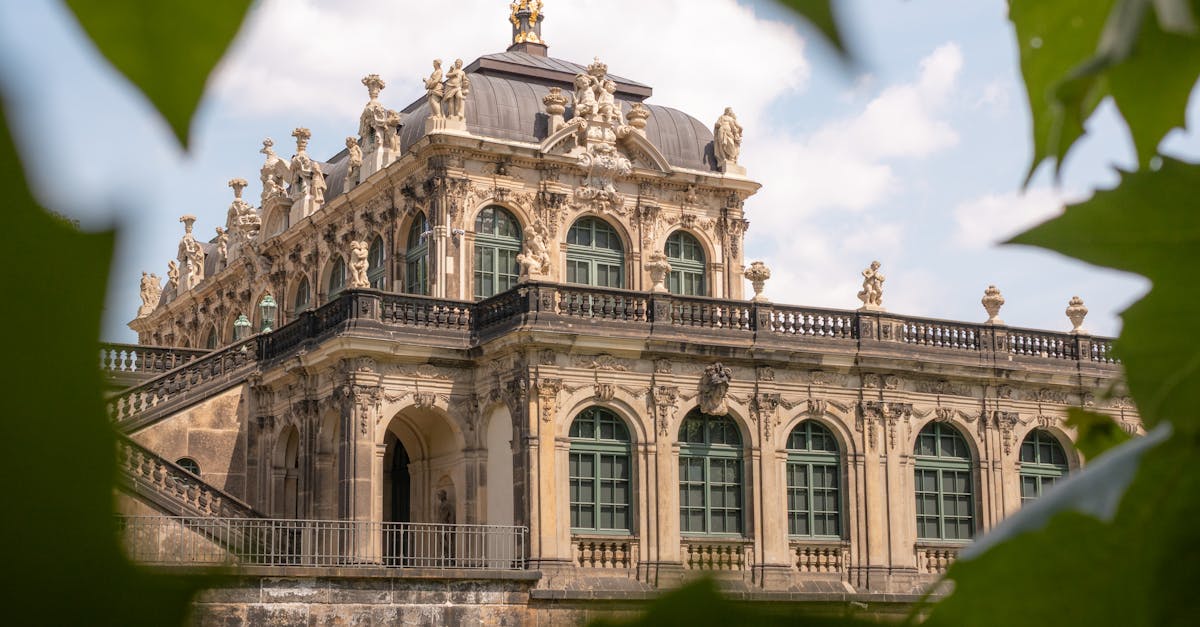 This photo was taken by Niklas Jeromin on Pexels.
Welcome to the heart of German history and culture, where every stone tells a story of human ingenuity and artistic evolution. As your guide through this diverse landscape, I invite you to embark on a journey that transcends time, exploring the nation's most treasured UNESCO World Heritage Sites. From the fairytale towers lining the Romantic Rhine to the functionalist lines of Bauhaus architecture and the monumental steel structures of the Ruhr Valley, Germany offers a unique tapestry of heritage waiting to be discovered. In this post, we will delve into three distinct chapters of this rich legacy: the enchanting castles of the Upper Middle Rhine Valley, the architectural marvels of the Bauhaus movement and Berlin Modernism, and the industrial soul captured within the Zollverein Coal Mine Industrial Complex. Prepare to be inspired as we uncover the timeless beauty that defines these global treasures.
The Romantic Castles of the Upper Middle Rhine Valley
Nestled between the towns of Bingen and Koblenz, the Upper Middle Rhine Valley unfolds as a breathtaking panorama where steep vineyards cascade down to the winding river, punctuated by over 40 historic castles that seem to rise directly from the cliffs. This UNESCO World Heritage site is the very heart of German Romanticism, offering visitors a chance to step back in time as they cruise past legendary fortresses like Marksburg, which has never been destroyed, or the ruins of Rheinfels overlooking the Lorelei rock. Whether you are exploring the interior of these stone giants to learn about their medieval history or simply enjoying the view from a deck chair on a wine boat, the valley provides an immersive journey through centuries of folklore, conflict, and architectural grandeur.
Beyond the iconic castle silhouettes, this region invites you to wander through charming half-timbered villages and taste some of Germany's finest Riesling wines grown on the sun-drenched slopes. The landscape tells a story of human ingenuity adapting to nature, with narrow paths leading to ancient watchtowers and hidden chapels that whisper tales of knights and legends. As the sun sets, casting a golden glow over the water and the weathered stones, the atmosphere becomes truly magical, making it clear why this stretch of the Rhine remains one of the most enchanting destinations for travelers seeking to experience the soul of Germany's cultural heritage.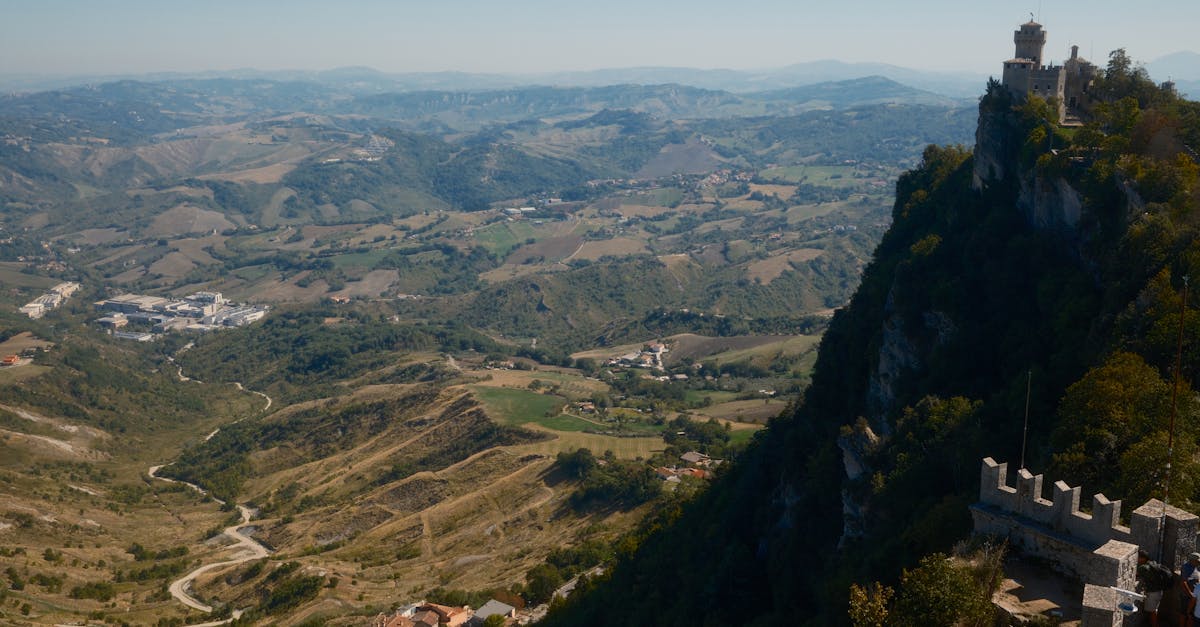 This photo was taken by Deividas Vasinas on Pexels.
Architectural Wonders: The Bauhaus Sites and Berlin Modernism
Step into the revolutionary world of the Bauhaus movement, where form follows function and simplicity meets innovation. As you explore these UNESCO World Heritage sites, from the iconic glass-walled campus in Dessau to the vibrant student dormitories in Weimar, you will witness how this school of design reshaped the very fabric of modern living. The clean lines, open floor plans, and integration of art with technology offer a timeless lesson in aesthetics that continues to influence architects globally. Walking through these spaces is like traveling back to the 1920s, yet the structures feel strikingly contemporary, inviting visitors to appreciate a philosophy that believed good design should be accessible to everyone.
Beyond the rural tranquility of the Bauhaus heartlands, Berlin stands as a monumental testament to Modernism's urban evolution. Here, the cityscape tells a story of resilience and reinvention, showcasing apartment blocks and public buildings that embody the spirit of the Neue Sachlichkeit (New Objectivity). From the sprawling residential complexes of Hans Scharoun to the sleek geometric facades of the Hufeisensiedlung, Berlin's architectural gems reveal a bold vision for social housing and community life. These sites not only define Germany's cultural identity but also serve as a powerful reminder of how architecture can shape society, making every stroll through these neighborhoods a journey through history and human ingenuity.
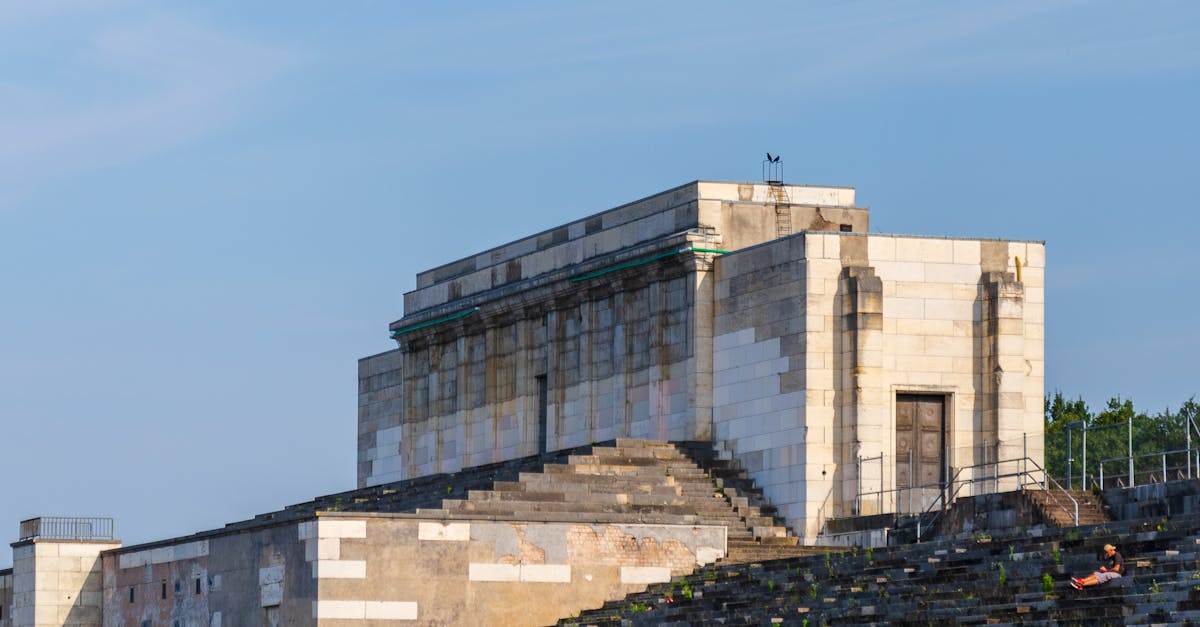 This photo was taken by Mohamed B. on Pexels.
Industrial Heritage: The Zollverein Coal Mine Industrial Complex
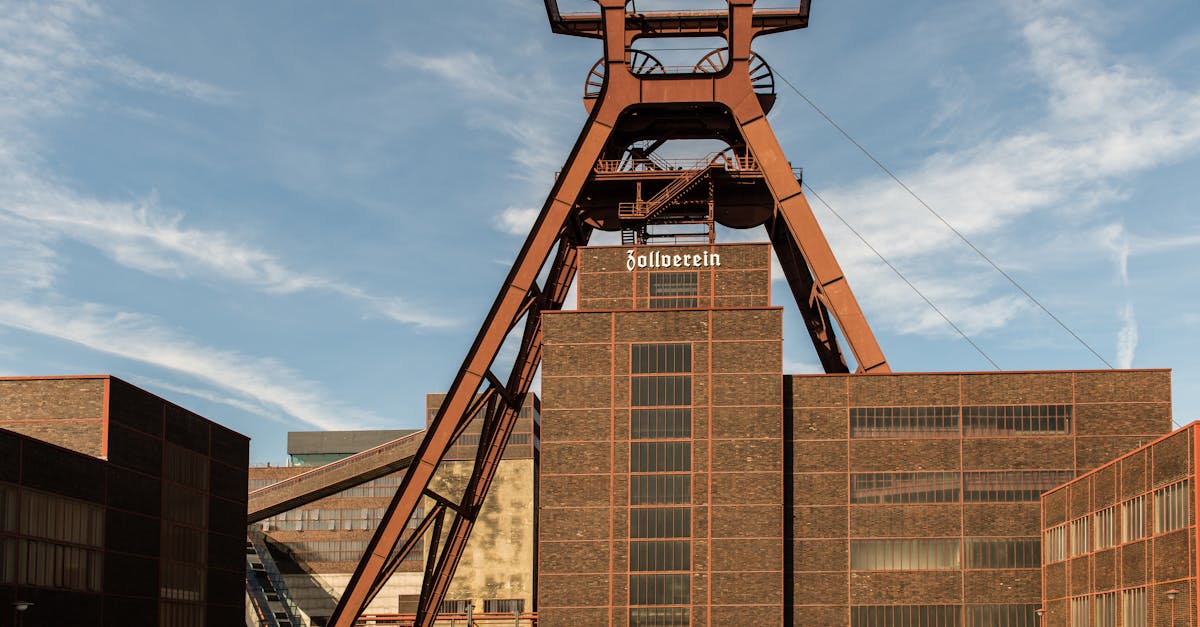
Nestled in the heart of the Ruhr region, the Zollverein Coal Mine Industrial Complex stands as a monumental testament to Germany's industrial might and its subsequent transformation. Once one of the world's most modern coal mines, this site was designated a UNESCO World Heritage Site in 2001 for its exceptional architecture and engineering prowess, featuring striking red-brick structures that blend seamlessly with the surrounding landscape. Today, visitors can explore the preserved coking plant, wander through the iconic shaft buildings designed by architect Erich Hoene, and even descend into the depths of the mine to understand the grueling conditions faced by workers during the peak of the coal era. The complex serves not only as a historical archive but also as a vibrant cultural hub where industrial history meets contemporary art and design.
What makes Zollverein truly captivating is its remarkable evolution from a defunct industrial giant into a dynamic center for culture and innovation. The former administrative building now houses the Red Dot Design Museum, while other structures host events ranging from electronic music festivals to theater performances under the vast open skies of the former mining yard. This adaptive reuse exemplifies the successful regeneration of post-industrial landscapes across Europe, proving that heritage sites can remain relevant and engaging for modern tourists. Whether you are an architecture enthusiast marveling at the brutalist aesthetic or a traveler curious about the socio-economic shifts that reshaped Germany, a visit to Zollverein offers an immersive journey through time, celebrating both the raw power of industry and the creativity of human reinvention.
 This photo was taken by Wolfgang Weiser on Pexels.