Discovering Medieval Towns: Rothenburg ob der Tauber and Beyond
 This photo was taken by Eugene Bolshem on Pexels.
Welcome to the heart of Germany's fairy-tale past! If you have ever dreamed of stepping into a living history book, where cobblestone streets echo with the footsteps of merchants and knights, then your journey begins here. In this post, we will wander through the perfectly preserved walls of Rothenburg ob der Tauber, often cited as the crown jewel of medieval architecture. But our adventure does not stop there; we will venture further along the legendary Romantic Road to uncover lesser-known villages that offer an authentic glimpse into the Middle Ages. Join me as we explore how these timeless towns maintain their unique charm while offering genuine historical experiences for every curious traveler.
The Timeless Charm of Rothenburg ob der Tauber
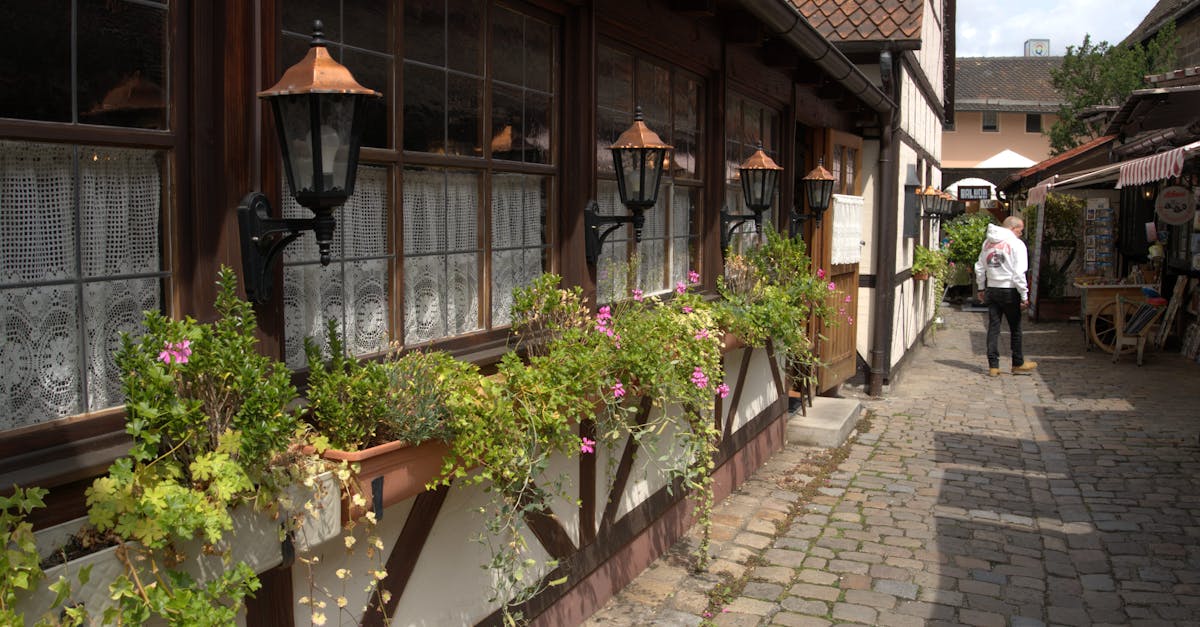
Stepping into Rothenburg ob der Tauber feels like time has simply paused, transporting visitors back to the heart of the Holy Roman Empire. Walled tightly by its well-preserved fortifications, the town's narrow cobblestone streets wind past half-timbered houses painted in warm ochres and deep reds, their gables leaning affectionately toward one another as if sharing centuries-old secrets. The air is often filled with the scent of fresh gingerbread from local bakeries and the distant chime of church bells echoing off the ancient stone walls, creating an atmosphere that is both enchanting and deeply historic. Whether you are wandering along the city ramparts for panoramic views of the surrounding Franconian countryside or exploring the quaint squares where medieval traditions still thrive, every corner reveals a story of resilience and artistic heritage that defines this gem of German tourism.
Beyond its visual splendor, Rothenburg offers a living museum experience where history is not just observed but felt through its vibrant cultural events and culinary delights. The town comes alive during the festive season when it hosts one of Germany's most famous Christmas markets, transforming the medieval setting into a magical wonderland of twinkling lights and handcrafted ornaments. Yet, even outside the holiday rush, the charm remains palpable; visitors can enjoy traditional Franconian cuisine in cozy taverns tucked away behind unassuming doors or join guided tours that delve into the fascinating tales of the town's past, including its unique role during the Thirty Years' War. This seamless blend of preserved architecture, authentic local life, and immersive storytelling makes Rothenburg ob der Tauber an essential stop for anyone seeking to understand the soul of medieval Germany.
 This photo was taken by Mateusz Dach on Pexels.
Hidden Gems Along the Romantic Road
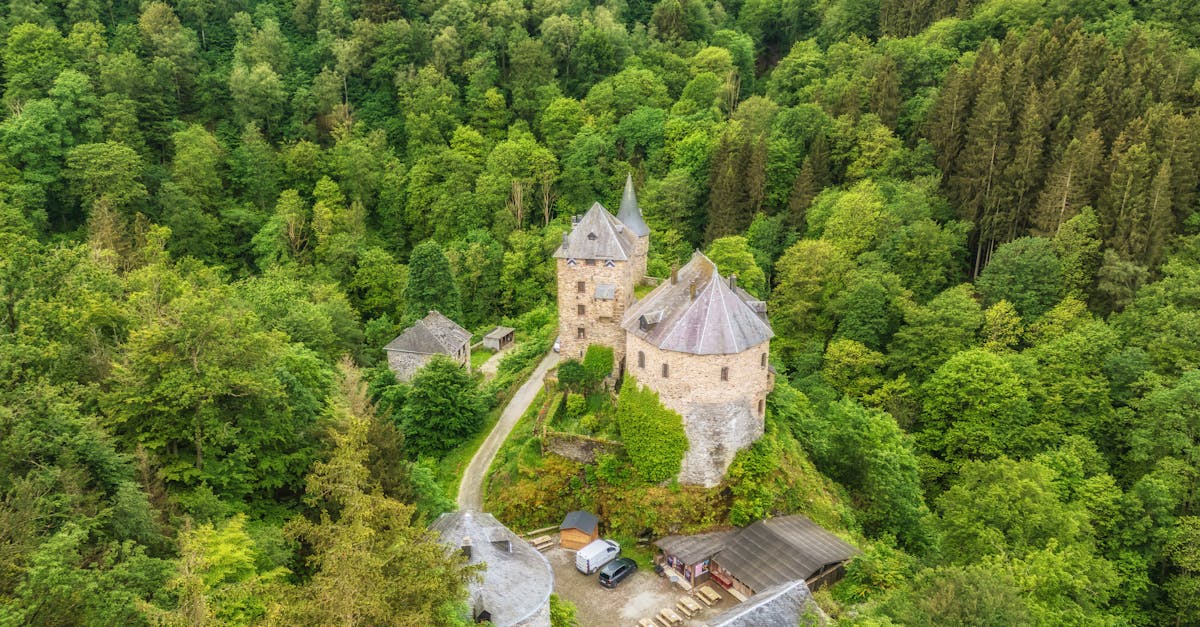
While Rothenburg ob der Tauber draws the crowds with its perfectly preserved half-timbered houses, venturing just a few kilometers off the main path reveals secluded treasures like Dinkelsbühl and Feuchtwangen. In Dinkelsbühl, you can wander through the quiet, cobblestoned lanes of the "little sister" to Rothenburg, where the town walls remain intact and the local bakeries still fill the air with the scent of fresh pretzels, offering an authentic atmosphere untouched by mass tourism. Further along the route, the tiny village of Scheinfeld invites you to explore its hidden courtyards and the magnificent St. Martin's Church, which often remains empty save for the gentle sound of your own footsteps echoing against ancient stone.
For those seeking a true escape from the tourist trail, the scenic detour to Wiesenbronn or the charming hamlet of Uffenheim offers a glimpse into rural Franconian life that feels suspended in time. Here, the Romantic Road winds through vineyards and orchards where locals greet visitors with warm smiles rather than hurried sales pitches. These lesser-known stops allow travelers to experience the region's culinary heritage firsthand, perhaps enjoying a glass of crisp Silvaner wine at a family-run Weinstube nestled between centuries-old farmhouses, creating memories that are far more personal and enduring than any postcard snapshot taken in the main squares.
 This photo was taken by Adriaan Westra on Pexels.
Preserving History: A Guide to Authentic Medieval Experiences
Stepping into Rothenburg ob der Tauber feels less like visiting a tourist attraction and more like time traveling back to the 14th century, where cobblestone streets echo with the footsteps of merchants and knights alike. To truly immerse yourself in this authentic medieval atmosphere, venture beyond the famous Röderbrücke and explore the narrow alleyways lined with half-timbered houses that have survived centuries of history. Wander through the town's well-preserved city walls, climb the towers for panoramic views of the rooftops, and visit the unique Medieval Crime Museum to understand the daily life and justice systems of the era, ensuring your experience goes far deeper than a simple snapshot.
While Rothenburg is the crown jewel, Germany offers a treasure trove of other historic towns that preserve this rich heritage with equal passion. From the fairy-tale architecture of Quedlinburg to the fortified charm of Dinkelsbühl, each location offers a distinct slice of medieval history waiting to be discovered. Engage with local artisans in their workshops, sample traditional fare at historic taverns, and attend seasonal festivals that keep old traditions alive, allowing you to connect with the living history of these communities rather than just observing static monuments.
 This photo was taken by Ingrid W. on Pexels.