Discovering the Castles of Neuschwanstein and Wartburg
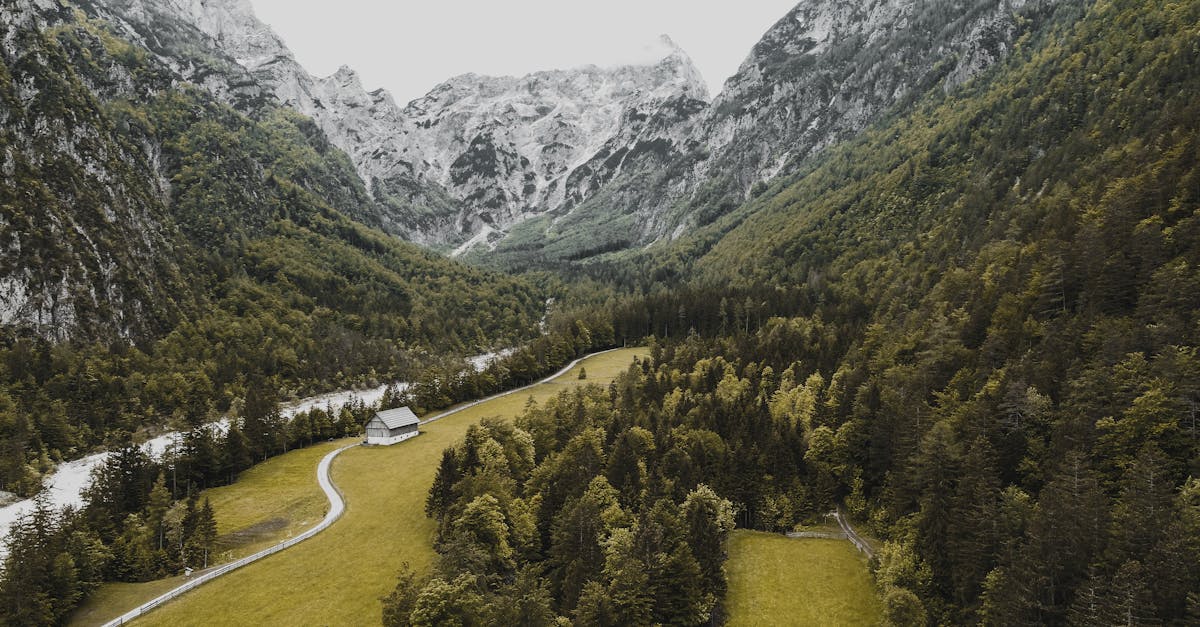 This photo was taken by Rok Romih on Pexels.
Welcome, fellow travelers! As a guide who has spent countless days exploring the rolling hills and historic towns of Germany, I can tell you that our country's architecture holds stories as enchanting as any novel. Today, we embark on a magical journey to two of the most iconic landmarks in German history: Neuschwanstein and Wartburg Castles. While separated by centuries and distinct architectural styles, these fortresses offer a profound glimpse into the soul of Germany—from the romantic dreams of a 19th-century king to the medieval echoes where Martin Luther once translated the Bible. Whether you are a history buff, a fairytale enthusiast, or simply looking for breathtaking views, prepare to step back in time as we compare these two German icons and uncover the unique magic they hold.
The Fairytale Inspiration: Neuschwanstein's Royal Dreams
Perched dramatically atop a rugged limestone cliff in the Bavarian Alps, Neuschwanstein Castle stands as the ultimate embodiment of 19th-century romanticism and King Ludwig II's visionary dreams. Often cited as the real-life inspiration for Disney's Sleeping Beauty Castle, this architectural marvel was never intended to be a functional fortress but rather a sanctuary where the King could retreat from the burdens of statecraft into a world of mythic grandeur. Inside, visitors are transported through opulent rooms like the Singers' Hall and the Throne Room, where intricate frescoes depicting scenes from Wagnerian operas swirl across the walls, creating an immersive atmosphere that feels plucked straight out of a fairy tale rather than constructed by human hands.The castle's creation was a labor of obsession, funded entirely by Ludwig II despite his dwindling royal coffers, resulting in a structure that blends historical styles with fantastical elements that defy practical logic. Its white turrets and soaring spires seem to float above the Alpsee lake, offering a visual spectacle that has captivated tourists and artists alike since its inception. While the exterior captures the eye with its storybook silhouette, the interior reveals a deep yearning for the legendary pasts of knights and heroes, making every step through its corridors feel like walking through the pages of a Grimm's fairytale brought vividly to life against the backdrop of Germany's most breathtaking natural scenery. This photo was taken by Erik Mclean on Pexels.
Medieval Fortress and Cultural Heritage: The Wartburg Castle
Perched majestically on a verdant hillside overlooking Eisenach, the Wartburg Castle stands as a monumental testament to Germany's rich medieval history and enduring cultural legacy. Unlike the fairy-tale fantasy of its Bavarian counterpart, this UNESCO World Heritage site offers an authentic journey back to the 12th century, where sturdy stone walls once sheltered knights and nobility. Its significance extends far beyond architecture; it was here in 1521 that Martin Luther sought refuge for nearly a year, translating the New Testament into German and fundamentally shaping the nation's religious and linguistic identity. Walking through its dimly lit halls and listening to the echoes of centuries past allows visitors to feel the profound weight of history that has shaped modern Germany.The castle also holds a special place in the realm of art and literature, serving as the inspiration for Richard Wagner's opera "Tannhäuser" and immortalizing the legend of the Minnesingers who sang of courtly love within its Great Hall. Today, exploring the Wartburg is not merely a sightseeing excursion but an immersive experience into the heart of German Romanticism and Reformation history. As you wander through the meticulously restored interiors, from the knightly quarters to the famous Luther Room, you gain a deeper appreciation for how this fortress has evolved from a defensive stronghold into a cherished symbol of national unity and cultural heritage, making it an essential stop for any traveler seeking to understand the soul of the Holy Roman Empire.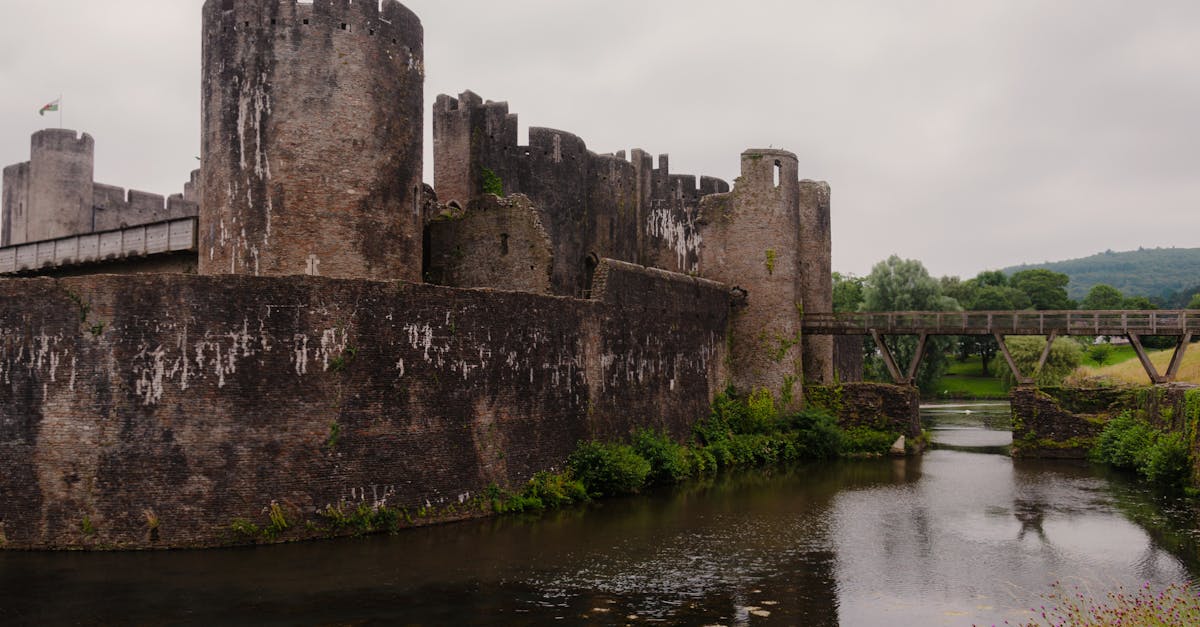 This photo was taken by Lakruwan Rajapaksha on Pexels.
A Journey Through Time: Comparing Two German Icons
Embarking on a journey through time, the castles of Neuschwanstein and Wartburg offer two distinct yet equally captivating visions of German history. Neuschwanstein, perched dramatically atop a rugged cliff in the Bavarian Alps, is a 19th-century fairy-tale dream conjured by King Ludwig II to escape reality; its ornate turrets and pristine white façade evoke the romantic operas of Wagner and feel like a scene plucked straight from a storybook. In stark contrast, the Wartburg stands as a stoic sentinel in Thuringia, a fortress that has witnessed over a millennium of history, serving as a refuge for Martin Luther during his translation of the New Testament and playing a pivotal role in the birth of German nationalism and culture.
While Neuschwanstein represents the pinnacle of Romanticism with its opulent interiors designed to transport visitors to an idealized medieval past, the Wartburg offers a more grounded connection to the intellectual and religious upheavals that shaped modern Germany. Walking through the halls of the Wartburg, one can almost hear the echoes of poets gathering at the Minnesang festival or Luther's intense deliberations, whereas stepping inside Neuschwanstein reveals gilded ceilings and elaborate frescoes intended purely for royal splendor and artistic fantasy. Together, these iconic structures provide a comprehensive narrative of the German spirit, balancing the ethereal longing for beauty with the profound weight of historical legacy.
This photo was taken by Erik Mclean on Pexels.