Discovering the Fairy-Tale Castles of Bavaria
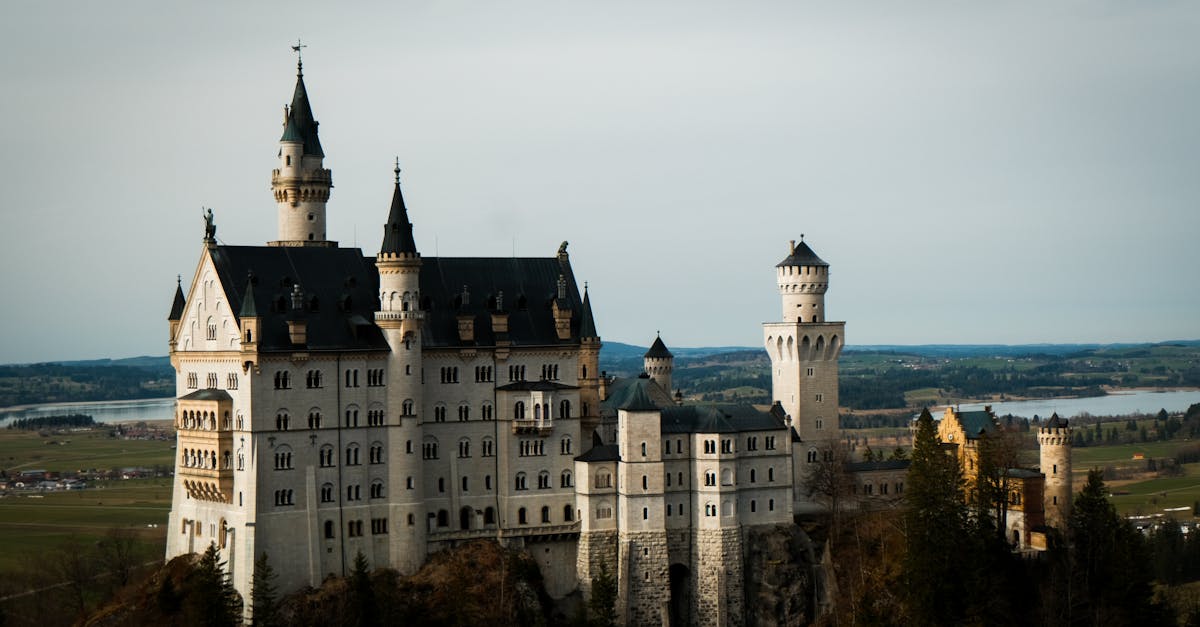 This photo was taken by Utkarsh Malviya on Pexels.
Welcome to the heart of Bavaria, where misty mountain peaks cradle some of the world's most enchanting fairy-tale castles. From the romantic splendor that inspired Disney's Sleeping Beauty Castle to secluded fortresses nestled deep within the Alpine valleys, this region offers a magical journey through history and architecture. Whether you are a history buff, a photography enthusiast, or simply dreaming of stepping into a storybook, our guide will lead you through the iconic wonders and hidden treasures of Bavaria's castle landscape. Get ready to explore the dreams of King Ludwig II, uncover secret gems off the beaten path, and discover all the practical tips you need for an unforgettable castle-hopping adventure.
The Iconic Neuschwanstein: A Journey into King Ludwig's Dream
Perched dramatically atop a rugged hill in the Bavarian Alps, Neuschwanstein Castle stands as the ultimate embodiment of King Ludwig II's romantic vision, transcending mere architecture to become a global symbol of fairy-tale fantasy. Built in the late 19th century as a personal retreat away from the rigors of court life, this white limestone masterpiece was designed by Christian Jank with intricate details inspired by Richard Wagner's operas, featuring soaring turrets, ornate gables, and opulent interiors that transport visitors back to a world of knights and legends. Although the king never saw its completion, his dream lives on in every photograph taken from the Marienbrücke (Mary's Bridge), where the castle reflects perfectly against the shimmering Alpsee lake, offering an awe-inspiring view that feels plucked straight from the pages of the Brothers Grimm.
Beyond its breathtaking exterior, a journey through Neuschwanstein reveals the intimate and eccentric personality of its creator, whose chambers are adorned with hand-painted murals depicting scenes from medieval Germanic mythology and swan motifs that honored the king's favorite legend. Guided tours lead guests through the Throne Room with its dazzling golden dome and the Singer's Hall, allowing you to step inside the mind of a monarch who preferred the company of art and music to the affairs of state, ultimately leaving behind a legacy that captivates millions each year. Whether you are hiking the lush trails that wind up the mountain or simply marveling at the silhouette against the sky, experiencing this iconic structure is not just a visit to a monument, but an immersion into one of history's most enchanting dreams, solidifying Bavaria's reputation as the land where stories come to life.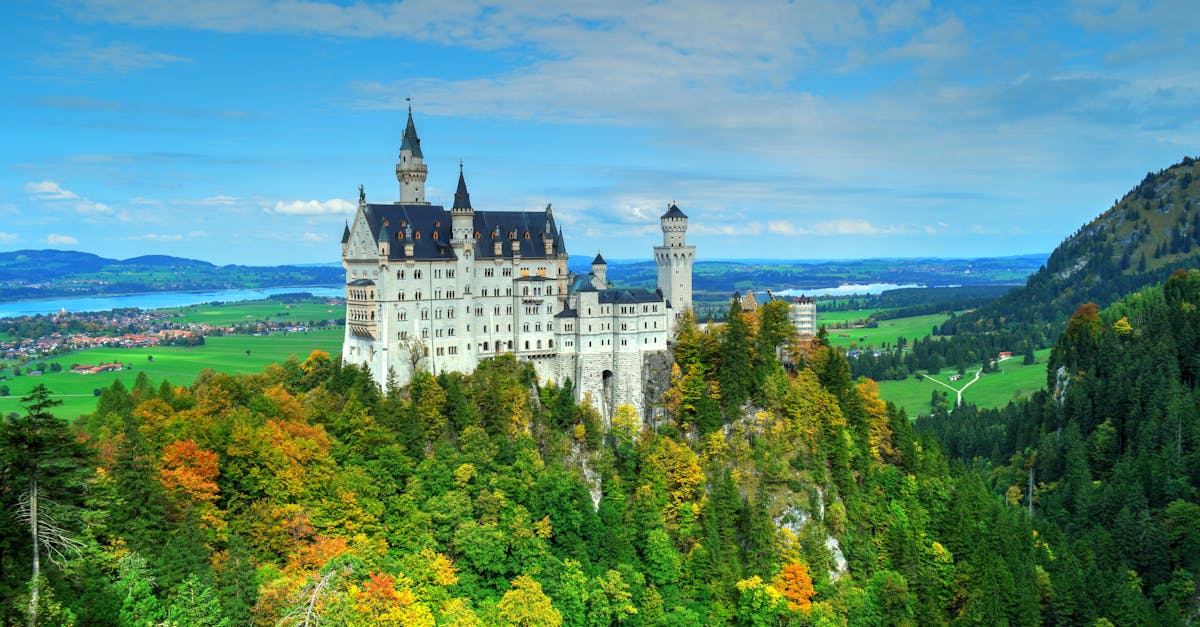 This photo was taken by Gildo Cancelli on Pexels.
Hidden Gems: Exploring the Lesser-Known Castles of the Alpine Region
While Neuschwanstein captures the world's imagination, the true magic of Bavaria often lies in its quiet, overlooked fortresses nestled deep within the Alpine foothills. Venture off the main tourist trails to discover Linderhof Palace's more rustic cousin, Schloss Elmau, a historic monastery turned luxury retreat that exudes an atmosphere of serene grandeur without the crowds. Even further afield, the imposing ruins of Hohenwerfen Castle offer a dramatic glimpse into medieval history, perched precariously on a rocky outcrop above the Salzach River, where you can still trace the ancient battlements and imagine the lives of the knights who once guarded these strategic passes against invaders.Beyond the well-trodden paths, lesser-known gems like the fairy-tale-like Schloss Kufstein or the secluded Burg Rappoltenkirchen provide an intimate connection to the region's architectural heritage. These castles, often surrounded by lush alpine meadows and towering peaks, invite visitors to wander through untouched gardens and listen to the echoes of history in hushed corridors. Exploring these hidden treasures allows travelers to experience the authentic charm of the Bavarian Alps, where every stone tells a story of local legends and imperial dreams, far removed from the commercialized spectacle found at Germany's most famous landmarks.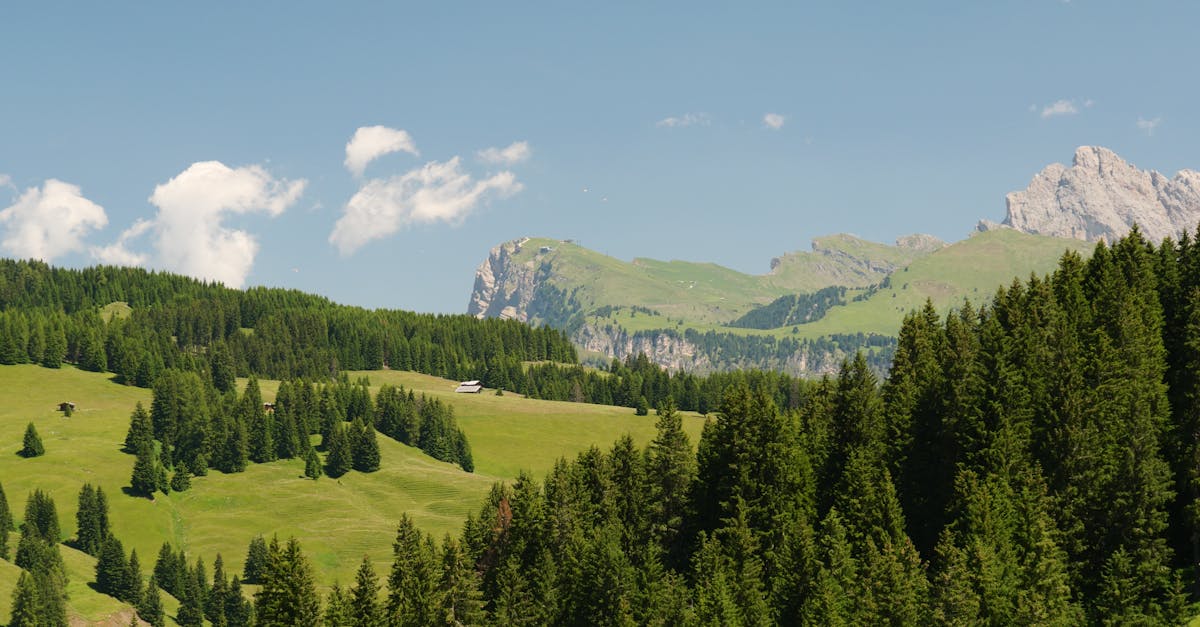 This photo was taken by Dirk Pothen on Pexels.
Practical Tips for Your Bavarian Castle-Hopping Adventure
To make the most of your castle-hopping journey, start by planning your route carefully, as many of these magnificent structures are scattered across the Bavarian countryside rather than clustered in city centers. Neuschwanstein Castle is undoubtedly the crown jewel, but be sure to book your tickets online weeks or even months in advance, as walk-up availability is virtually non-existent during peak seasons. While you might be tempted to drive everywhere, consider utilizing the efficient regional train network combined with local buses; this not only saves you from navigating narrow mountain roads and expensive parking fees but also offers stunning scenic views that you simply cannot catch from behind a steering wheel.
Once on-site, remember that comfort is key for exploring these historic sites, so wear sturdy, broken-in walking shoes as the paths often involve steep inclines, cobblestones, and uneven terrain. The weather in the Bavarian Alps can change rapidly, so always pack a lightweight rain jacket and layers regardless of the forecast, ensuring you stay dry while admiring the panoramic vistas. Finally, embrace the local culture by visiting nearby villages like Füssen or Hohenschwangau after your tour; here you can enjoy traditional Bavarian cuisine and perhaps find unique souvenirs at local markets, rounding out your fairy-tale experience with authentic flavors and warm hospitality.
 This photo was taken by Donovan Kelly on Pexels.