Easter Traditions in Germany: Egg Hunts, Fires, and Festivities
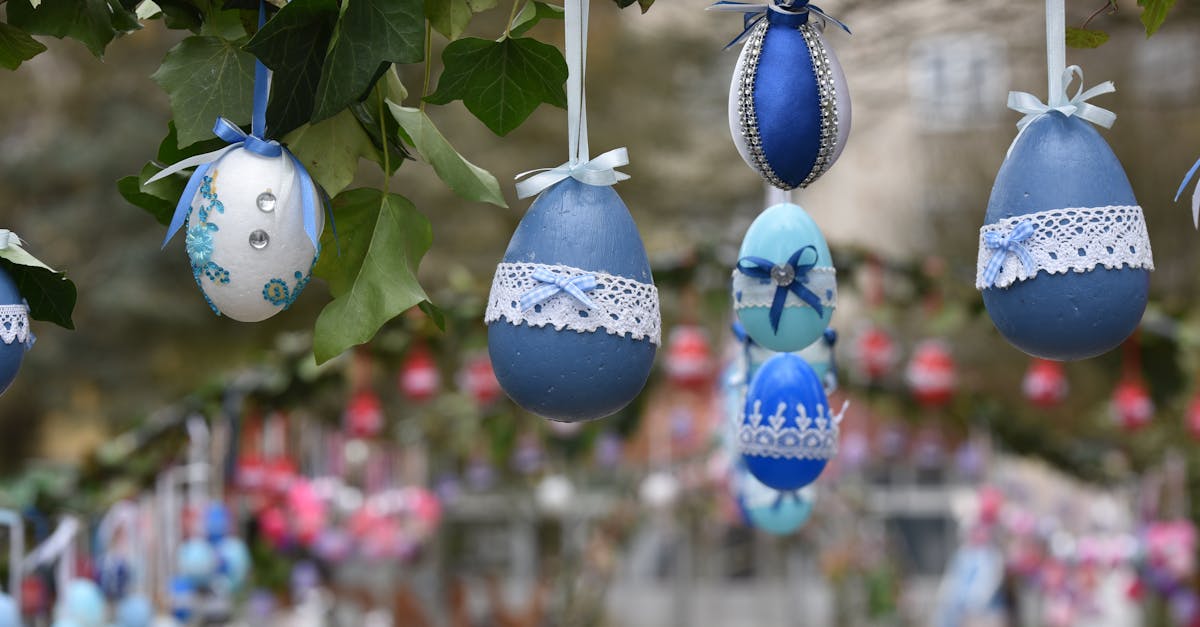 This photo was taken by Zsolt Bodnár on Pexels.
Welcome to the heart of Germany this spring, where the awakening of nature is celebrated with a unique blend of ancient pagan customs and cherished Christian traditions. As you wander through our picturesque villages and bustling cities, you will discover that Easter here is far more than just a weekend holiday; it is a vibrant season filled with colorful egg hunts, the crackling warmth of bonfires, and tables groaning under the weight of delicious seasonal treats. Whether you are tracing the hidden treasures of the "Osterhasen" or joining locals around the "Osterfeuer," this journey promises an unforgettable glimpse into the cultural soul of our country. Get ready to explore The Art of the Easter Egg Hunt, experience the magic of Burning Bright: Easter Fires and Bonfires, and savor every bite while Feasting on Traditional German Easter Delights.
The Art of the Easter Egg Hunt
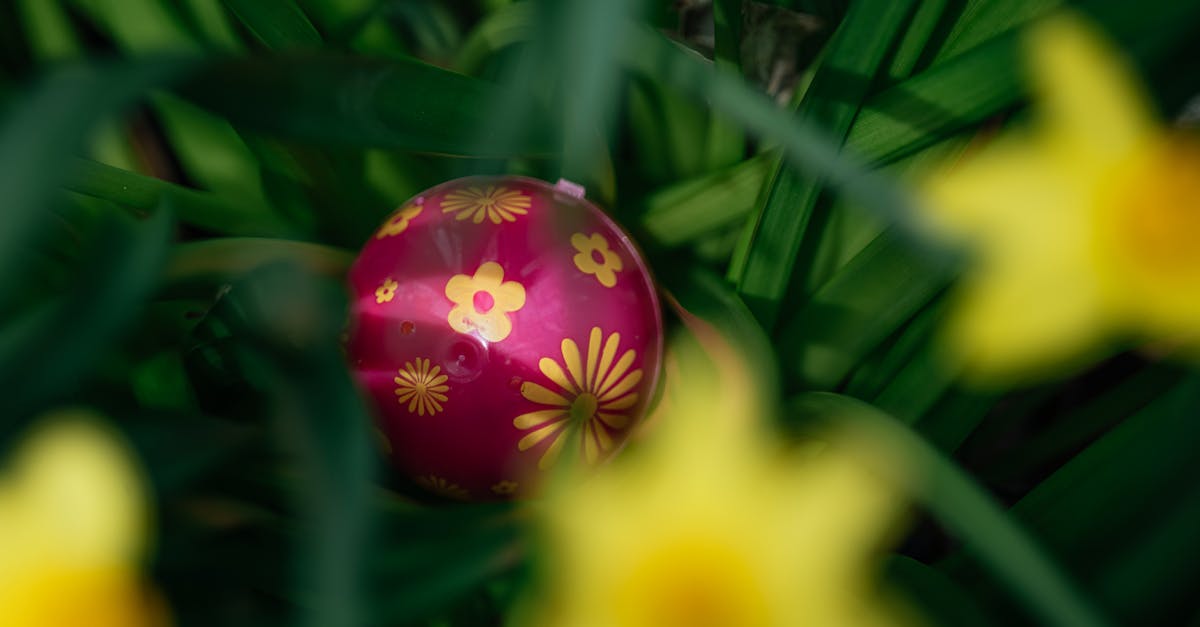
Across the rolling hills of the Black Forest and the vibrant streets of Munich, the German Easter egg hunt, or Ostereiersuche, transforms into a delightful spectacle that blends competitive fun with deep-rooted folklore. Unlike the plastic eggs often found elsewhere, these hunts typically feature hand-painted real eggs or intricately decorated wooden replicas, each one a miniature masterpiece reflecting the region's famous glassblowing and woodcarving traditions. Families gather in local parks and meadows at dawn, where children don their festive bonnets and eagerly search for hidden treasures, often guided by the mythical Ostertier—whether it be the Easter Fox, Hare, or Cuckoo—who is said to have brought the gifts overnight. The thrill of discovery is heightened by the golden eggs hidden among the grass, which promise a special prize, turning a simple game into a cherished memory of springtime renewal.
What truly sets the German tradition apart is the communal spirit that surrounds the hunt, often culminating in an afternoon feast where the hard-boiled eggs are not just collected but celebrated. In many regions, particularly in Bavaria and Saxony, the day concludes with Eierpecken, a playful contest where participants tap their decorated eggs against one another to see whose shell remains uncracked, symbolizing strength and resilience. This lively interaction serves as a bridge between generations, as grandparents share stories of past hunts while passing down the art of egg decorating techniques like wax-resist painting or delicate embroidery. Whether you are wandering through a historic town square or a quiet countryside village, the atmosphere is electric with joy, offering visitors a unique glimpse into how Germany harmonizes ancient pagan customs with modern family values during this joyous season.
 This photo was taken by Chris F on Pexels.
Burning Bright: Easter Fires and Bonfires
 This photo was taken by Fabricio Vega on Pexels.
Feasting on Traditional German Easter Delights
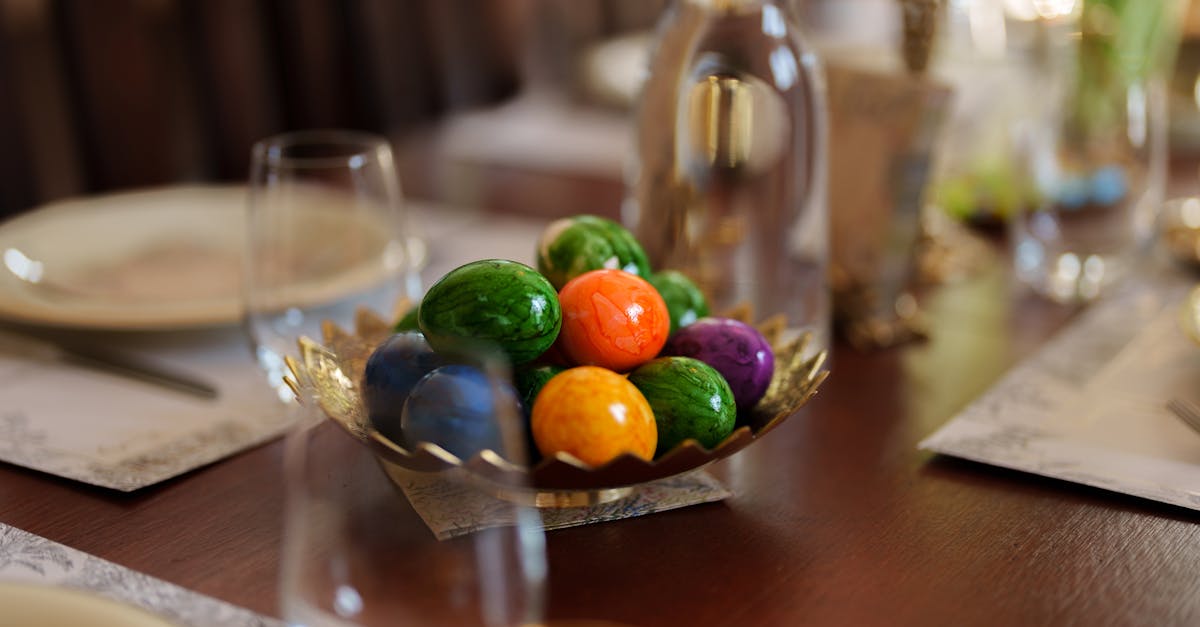
As the spring sun begins to warm the cobblestones of German towns, the culinary landscape transforms into a vibrant celebration of Easter traditions that have been cherished for centuries. No visit to Germany during this season is complete without indulging in Ostergebäck, a delightful array of sweet pastries shaped like lambs, rabbits, and crosses, often dusted with powdered sugar or glazed with colorful icing. These treats are not merely snacks but symbolic offerings found on every breakfast table, representing new life and the resurrection. For those with a sweeter tooth, the famous Osterschinken (Easter ham) served alongside hard-boiled eggs dyed in vivid hues offers a savory counterpoint, while regional specialties like Bauernbrot (peasant bread) stuffed with cheese and herbs provide a hearty start to the day's festivities.
The true magic of the German Easter feast lies in its communal spirit, where families gather around long tables laden with dishes passed down through generations. In many regions, especially in Bavaria and Baden-Württemberg, the meal culminates in the sharing of Eierkranz, an intricate wreath made of braided dough and decorated with boiled eggs, which serves as both a centerpiece and a delicious treat. Whether you are enjoying a simple picnic in a park after a morning egg hunt or sitting down to a formal family dinner, the atmosphere is one of warmth and renewal. Don't forget to pair your meal with a crisp white wine or a refreshing Osterwasser (Easter water), a traditional herbal drink believed to bring health and vitality for the coming year, completing a gastronomic experience that perfectly captures the essence of German springtime joy.
 This photo was taken by Mariya Muschard on Pexels.