Eco-Tourism in Germany: Sustainable Travel and Green Cities
 This photo was taken by Marvin Chandiary on Pexels.
Welcome to the heart of Europe, where lush forests meet cutting-edge urban planning and a deep-rooted commitment to sustainability. As your local guide through the wonders of Germany, I am thrilled to introduce you to a side of this fascinating country that often goes unnoticed by the average traveler: its vibrant eco-tourism scene. From the innovative green initiatives in bustling metropolises to the serene, protected landscapes of our ancient woodlands, Germany offers a unique travel experience that respects both nature and culture. In this post, we will explore how cities like Berlin and Freiburg are redefining urban living, discover hiking trails in the Eifel and Black Forest that honor the environment, and reveal the most charming eco-lodges where you can rest easy knowing your journey leaves a positive footprint. Let us embark on a conscious adventure together.
Discovering Germany's Green Cities: Berlin, Freiburg, and Beyond
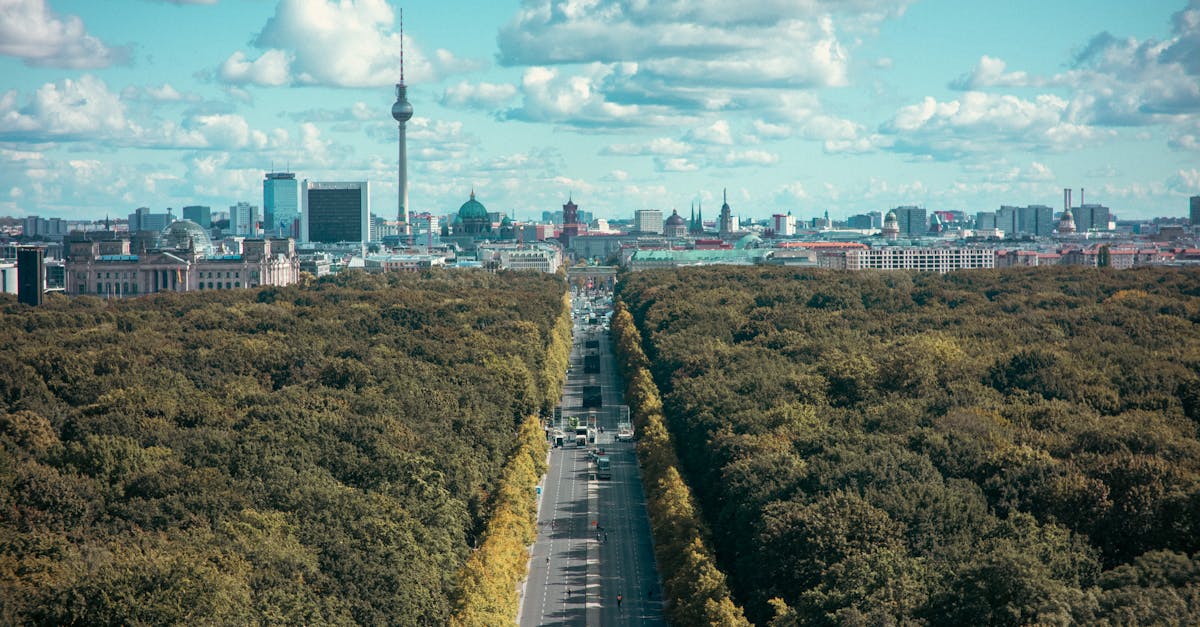
Germany's urban landscape offers a stunning paradox where bustling metropolises coexist seamlessly with lush greenery, making eco-tourism an accessible reality for every traveler. In Berlin, the former industrial wastelands have transformed into vibrant parks like Tempelhofer Feld, where visitors can cycle through open skies or explore community gardens that dot the cityscape. Meanwhile, Freiburg im Breisgau stands as the undisputed capital of sustainable living in Germany; here, the historic old town is complemented by solar-powered neighborhoods and extensive bike paths that weave through the Black Forest foothills. Whether you are hiking along the Spree river or exploring the car-free zones of Freiburg, these cities demonstrate how modern urban planning prioritizes air quality, renewable energy, and biodiversity.
Beyond these two prominent examples, Germany's commitment to green travel extends to countless other destinations that invite you to disconnect from the concrete jungle and reconnect with nature. From the rolling vineyards and organic farms of the Mosel region to the pristine lakes of Bavaria, the country encourages travelers to engage in low-impact activities such as kayaking, forest bathing, and cycling tours on dedicated Greenways. By choosing accommodations certified with the "Green Key" label and supporting local farmers' markets, tourists not only minimize their carbon footprint but also contribute directly to the preservation of Germany's natural heritage. This nationwide culture of sustainability ensures that your journey through Germany is not just a vacation, but a meaningful contribution to a greener future.
 This photo was taken by Ilkauri Scheer on Pexels.
Hiking the Eifel and Black Forest: Nature Trails with a Conscience
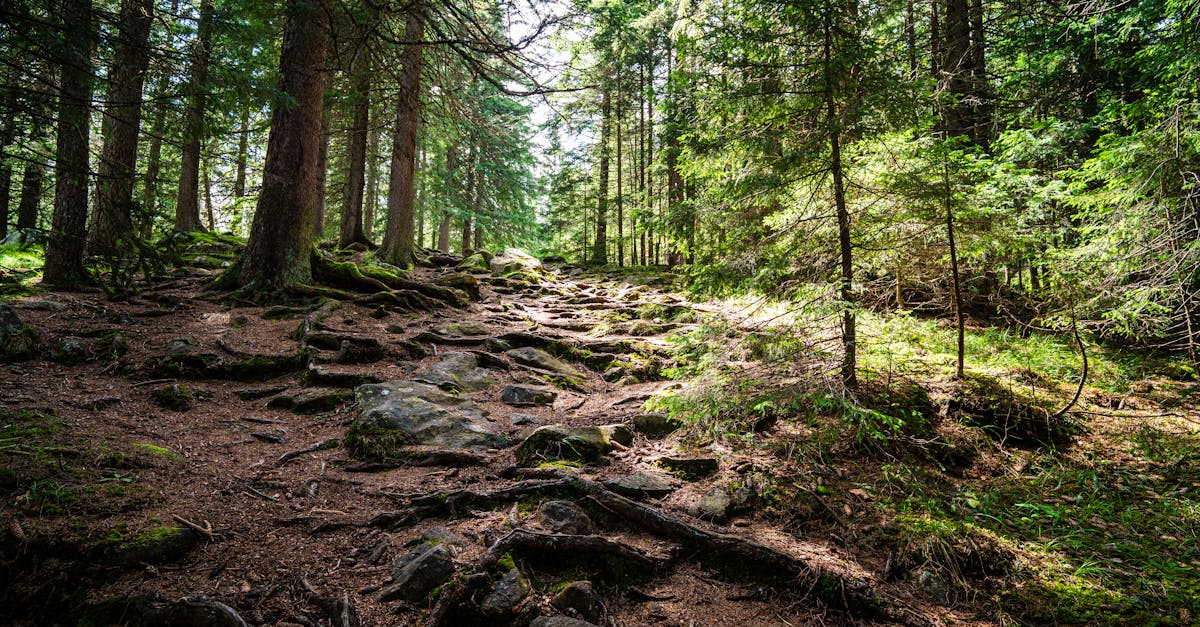
For the nature enthusiast seeking a harmonious blend of adventure and responsibility, the Eifel and Black Forest offer two of Germany's most pristine hiking landscapes. In the Eifel National Park, visitors can traverse the "Wildnisweg" (wilderness path), a designated trail that strictly prohibits off-road travel to protect fragile ecosystems while allowing hikers to observe wolves, lynxes, and bears in their natural habitat without disturbance. Similarly, the Black Forest's renowned long-distance trails, such as the Westweg, are meticulously maintained with sustainable materials and feature numerous "Eco-Hotels" that serve organic, locally sourced meals, ensuring that every step taken contributes directly to the preservation of these ancient woodlands and supports the local rural economy.
What truly sets these regions apart is their deep commitment to "conscious tourism," where infrastructure development is balanced carefully with ecological conservation efforts. Both areas utilize smart mobility solutions, encouraging travelers to park at designated hubs and use electric shuttles or bicycles to reach trailheads, thereby reducing carbon footprints and traffic congestion in sensitive valleys. Furthermore, many guided tours here are led by certified eco-guides who educate participants on local biodiversity and waste management practices, fostering a sense of stewardship among visitors. By choosing these routes, tourists not only enjoy breathtaking views of volcanic craters and dense pine forests but also actively participate in a movement that ensures these green sanctuaries remain vibrant for future generations.
 This photo was taken by Septimiu Lupea on Pexels.
Staying Sustainably: Eco-Lodges and Green Accommodations Across Germany
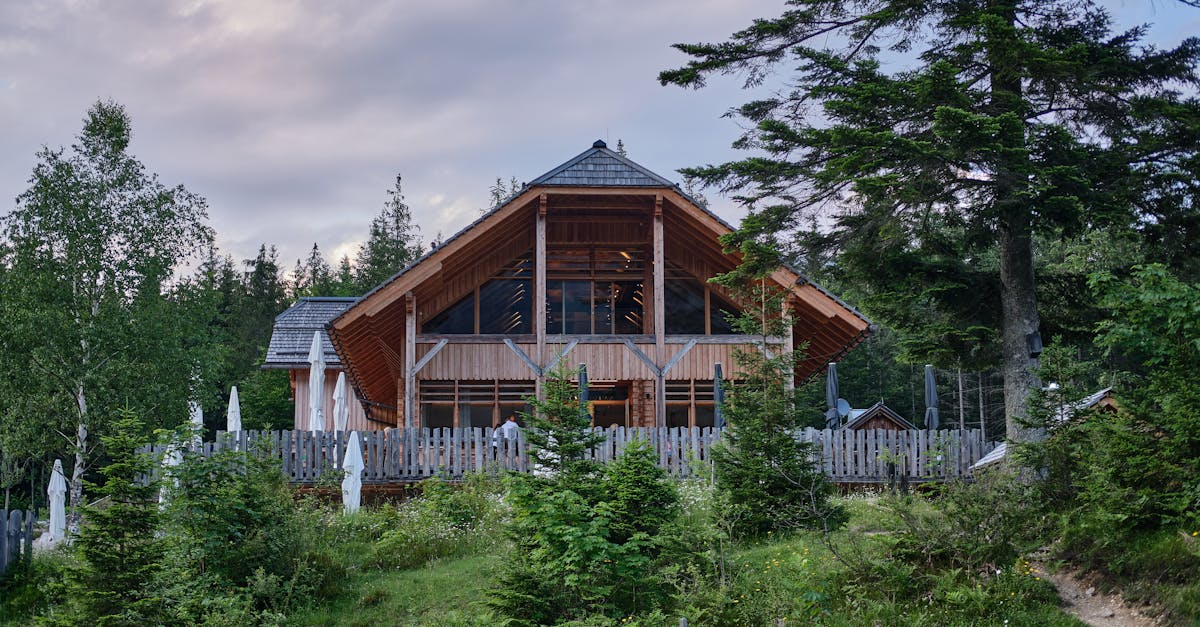
Germany has emerged as a pioneer in sustainable hospitality, offering travelers a diverse array of eco-lodges that seamlessly blend modern comfort with environmental stewardship. From the timber-framed guesthouses nestled deep within the Black Forest to the solar-powered retreats along the Baltic Sea coast, these accommodations are certified under rigorous standards like the "Green Key" or "EU Ecolabel." Many of these lodges operate on a closed-loop system, utilizing renewable energy sources, harvesting rainwater for gardens, and serving organic, locally sourced meals that reduce food miles while supporting regional farmers. Staying here is not just about sleeping; it is an immersive experience where guests actively participate in conservation efforts, such as tree planting or wildlife monitoring, ensuring their visit leaves a positive footprint on Germany's pristine natural landscapes.
Beyond the countryside, Germany's urban centers are also redefining green travel through innovative city hotels and hostels dedicated to sustainability. In metropolitan hubs like Berlin, Hamburg, and Freiburg, eco-conscious travelers can find accommodations powered entirely by wind and solar energy, featuring zero-waste kitchens and biodegradable amenities. These urban green sanctuaries often prioritize accessibility via public transportation, providing complimentary bike rentals and detailed guides to carbon-neutral sightseeing routes. By choosing these green-certified establishments, tourists contribute directly to the reduction of urban carbon emissions and support a growing network of businesses committed to preserving Germany's cultural heritage and ecological balance for future generations.
 This photo was taken by Martin on Pexels.