Exploring the Hanseatic League: Historic Ports of Lübeck and Bremen
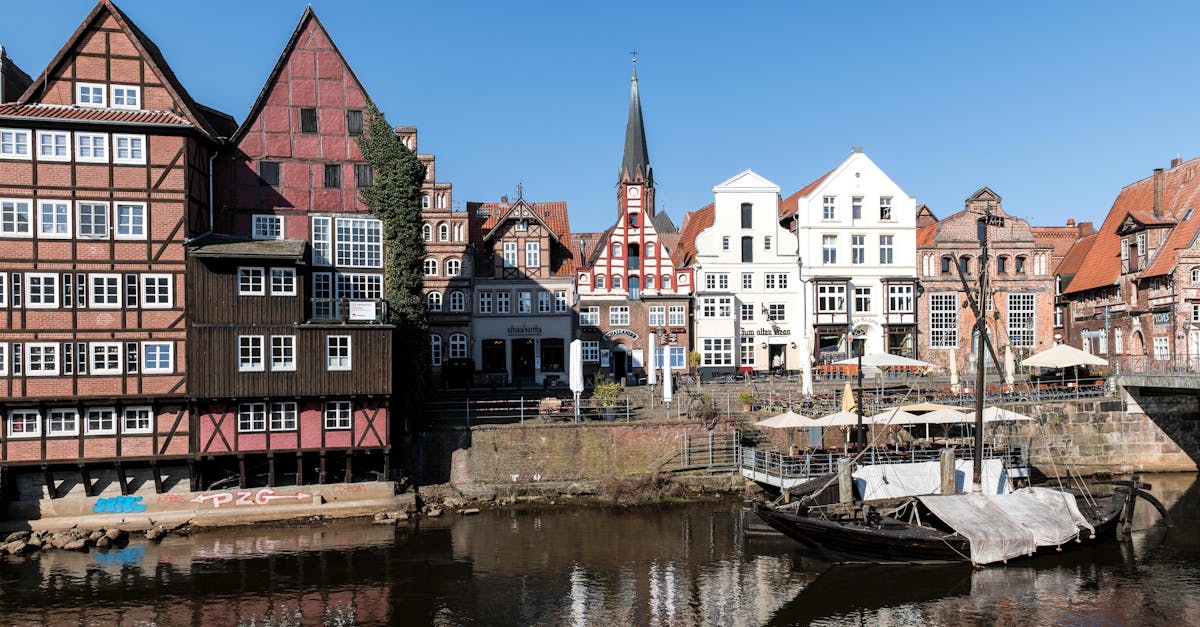 This photo was taken by Wolfgang Weiser on Pexels.
Welcome to the heart of Northern Germany, where medieval commerce once ruled the waves and grand brick architecture still tells tales of a powerful era. In this post, we embark on a captivating journey through the legacy of the Hanseatic League, focusing on two of its most illustrious pillars: Lübeck and Bremen. From the UNESCO-listed cobblestone streets and red-tiled roofs of Lübeck's "White City" to the majestic Town Hall and historic harbor of Bremen, you will discover how these port cities shaped European history. Whether you are a history buff or simply love strolling along scenic waterways, join us as we trace the Hanseatic Trail and uncover the timeless charm of Germany's maritime heritage.
The White City: Lübeck's Medieval Heart
Stepping into Lübeck feels like traveling back to the golden age of the Hanseatic League, a time when this city was the undisputed queen of Northern European trade. Known affectionately as the "White City" due to its distinctive red-brick Gothic architecture softened by countless white-washed facades, Lübeck's historic core is a masterpiece of medieval urban planning. The iconic Holstentor, with its twin towers and ornate sandstone decorations, stands as the grand entrance to this UNESCO World Heritage site, welcoming visitors into a labyrinth of cobblestone streets lined with former merchant houses that once held immense wealth and power.
Within these walls, history breathes through every corner, from the soaring spires of the Marienkirche to the quiet courtyards where merchants once counted their coins. Walking along the Trave River offers a serene perspective on how waterways shaped the city's destiny, while the interior of the old town reveals intricate details of Brick Gothic design that define the region's unique aesthetic. Whether you are savoring the local Marzipan in a centuries-old confectionery or simply admiring the way sunlight reflects off the whitewashed gables, Lübeck offers an immersive journey into the heart of Hanseatic heritage that remains as vibrant today as it was five hundred years ago.
 This photo was taken by Erik Mclean on Pexels.
Bremen's Maritime Legacy and the Town Hall
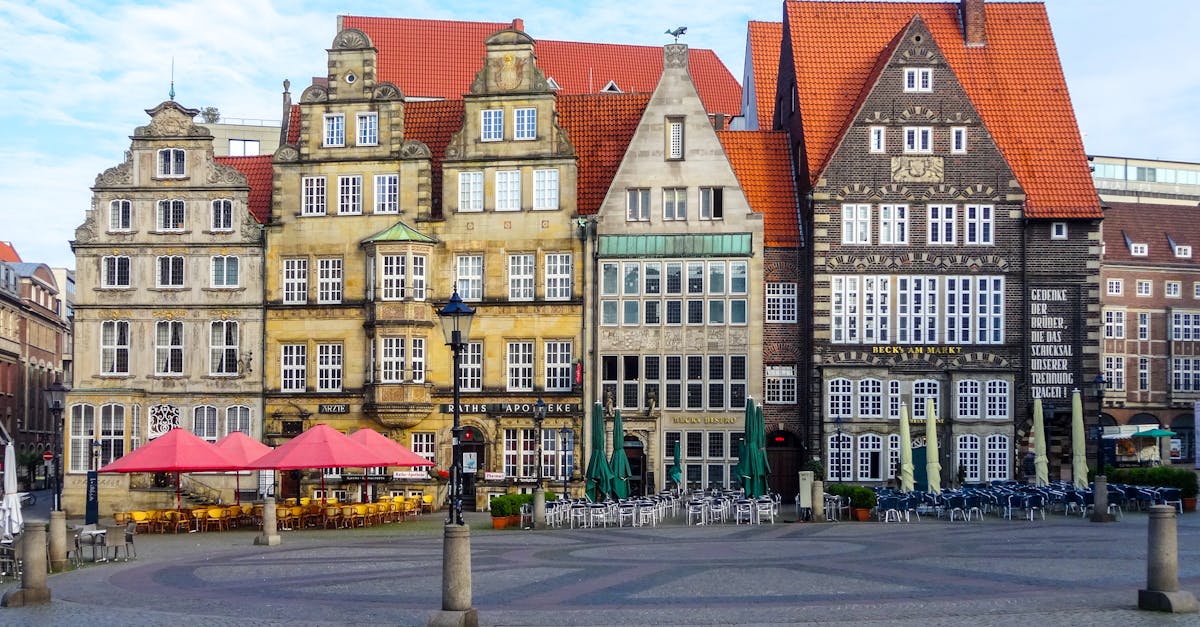
Bremen stands as a magnificent testament to the enduring power of the Hanseatic League, where the city's maritime legacy is woven into every cobblestone and canal. As one of Germany's most important historic ports, it served for centuries as a crucial gateway between the North Sea and the interior of Europe, fostering a wealth that allowed its merchants to build an architectural heritage of unparalleled grandeur. Visitors can still feel the pulse of this bustling history along the Weser River, where the iconic Roland statue guards the entrance to the old town, symbolizing the city's hard-won freedom and its pivotal role in international trade during the Middle Ages.
At the heart of this historic district lies the Bremen Town Hall (Rathaus), a UNESCO World Heritage site that remains one of the finest examples of Brick Gothic and Renaissance architecture in Northern Europe. Its striking red-brick façade, crowned with a golden eagle and flanked by the equally impressive Roland statue, creates a breathtaking skyline that has watched over the city since the 15th century. Inside, the opulent marble hall and the ornate Emperor's Room showcase the immense prosperity generated by the Hanseatic trade routes, offering tourists a glimpse into the lavish lifestyle of the wealthy merchant princes who once ruled these waters from this very seat of power.
 This photo was taken by Nikolai Kolosov on Pexels.
A Journey Along the Hanseatic Trail
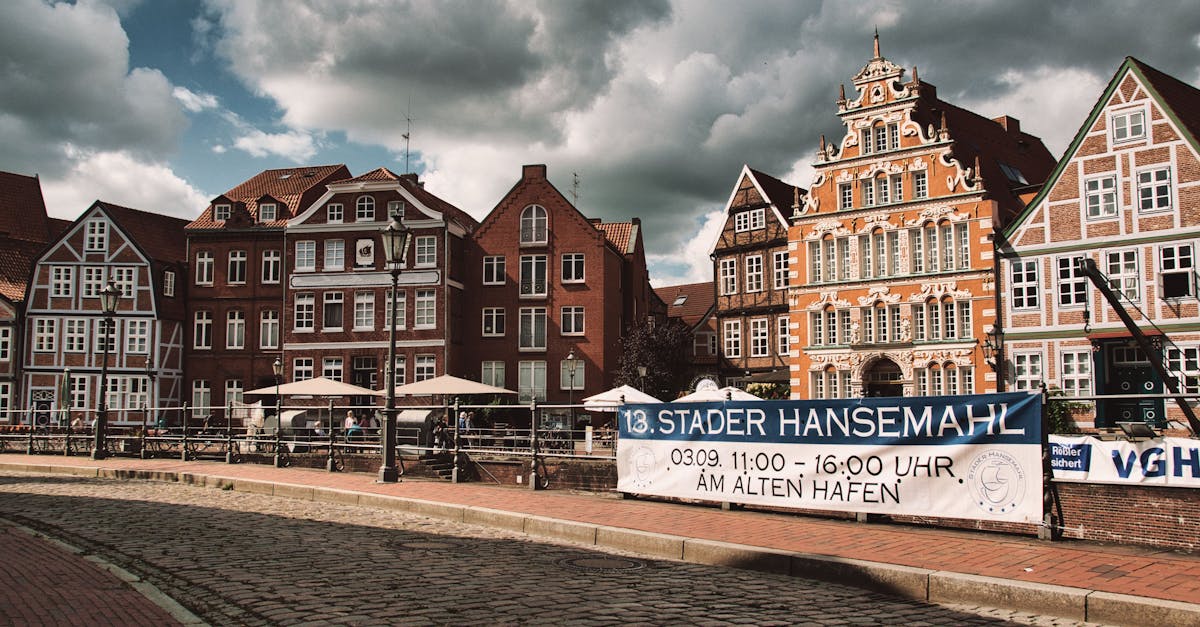
Embarking on the Hanseatic Trail is like stepping into a living museum where medieval commerce and maritime history intertwine, beginning in the iconic port city of Lübeck. As the former heart of this powerful trading alliance, Lübeck invites you to wander through its UNESCO-listed Old Town, where the red-brick Gothic architecture tells stories of wealthy merchants who once dominated Northern Europe's trade routes. You can explore the majestic Holstentor, the city's symbolic gateway, before strolling along the cobblestone streets lined with historic guildhalls and quiet courtyards that still retain their authentic charm from the 14th century.
The journey continues northward to Bremen, another pillar of the Hanseatic League, where the spirit of global trade comes alive at the Schnoor quarter and the bustling Weser riverbanks. Here, visitors are drawn to the awe-inspiring Roland statue and the imposing Bremen Cathedral, both standing as testaments to the city's enduring wealth and influence during the league's golden age. Walking along the Deichstraße, with its half-timbered houses dating back centuries, offers a picturesque glimpse into daily life in a prosperous Hanseatic port, allowing you to truly understand how these two cities shaped the economic and cultural landscape of Germany for centuries.
 This photo was taken by Paparazzi Ratzfatzzi on Pexels.