Exploring the Historic Hanseatic League Cities
 This photo was taken by Gabriel MHG on Pexels.
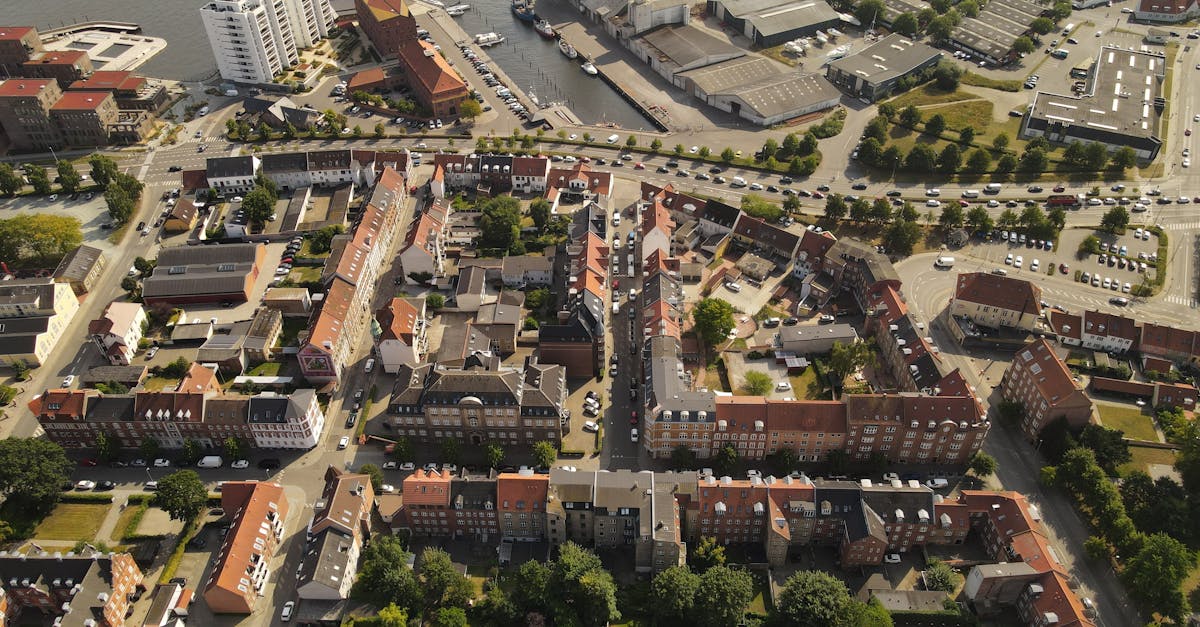
Welcome, travelers! As we embark on a journey through the heart of Germany's northern coast, we step back into an era when merchant power reshaped Europe. The Hanseatic League was once the most influential economic and defensive alliance in Northern Europe, leaving behind a legacy of brick Gothic architecture that still defines our skyline today. In this post, we will guide you through the majestic streets of Lübeck, often hailed as the Queen of the Hanseatic League, before diving into the vibrant energy of Hamburg, which has evolved from a bustling medieval port into a dynamic modern metropolis. Finally, we will explore the coastal gems of Stralsund and Wismar, both recognized as UNESCO World Heritage sites for their perfectly preserved historic centers. Get ready to uncover the stories of trade, resilience, and beauty that make these cities unforgettable destinations for every curious explorer.
Lübeck: The Queen of the Hanseatic League
Stepping into Lübeck feels like entering a living museum where the golden age of the Hanseatic League comes alive, earning this city its rightful title as the Queen of the Hanse. The historic old town, a UNESCO World Heritage site, is defined by its stunning red-brick Gothic architecture, most notably the iconic Holstentor gate that once served as the city's grand entrance. As you wander through cobblestone streets lined with merchant houses and narrow alleyways, you can almost hear the echoes of bustling trade routes that once connected the Baltic Sea to the rest of Europe, witnessing the immense wealth and influence Lübeck held over centuries.
Beyond its architectural splendor, Lübeck offers a rich cultural tapestry best explored at the famous Museum of Fine Arts or the fascinating St. Mary's Church, which dominates the skyline with its soaring vaulted ceilings. Foodies will delight in discovering the birthplace of the world-renowned Lübecker Marzipan, a sweet treat made from almonds and sugar that has been crafted here since the 18th century. Whether you are strolling along the Trave River, admiring the intricate sandstone details of the Rathaus, or simply enjoying a traditional cake in a historic café, Lübeck remains an indispensable destination for anyone seeking to understand the legacy of the mighty Hanseatic League.
 This photo was taken by Suzy Hazelwood on Pexels.
Hamburg: From Medieval Port to Modern Metropolis
Hamburg: From Medieval Port to Modern Metropolis
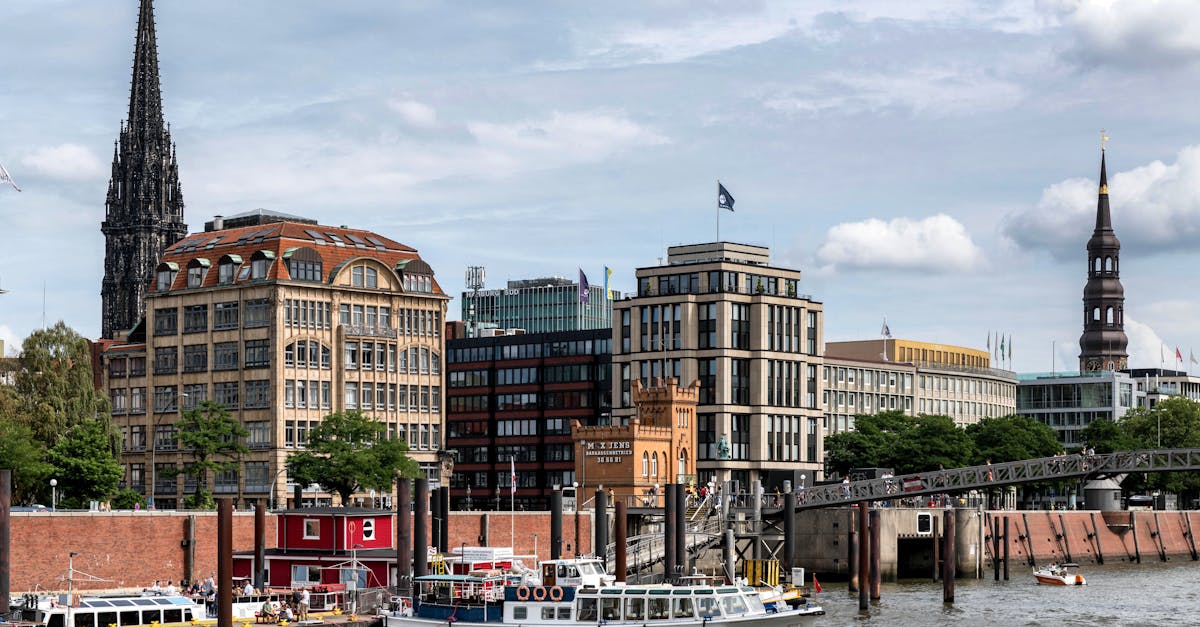
Nestled along the banks of the Elbe River, Hamburg stands as a monumental testament to Germany's maritime heritage and its evolution from a humble medieval trading outpost into one of Europe's most dynamic metropolises. As a founding member of the Hanseatic League, the city's historic heart, Speicherstadt, remains the world's largest warehouse district, with its red-brick Gothic architecture and intricate canal network offering a tangible link to the powerful merchant guilds that once dominated Northern European trade. Visitors can still feel the pulse of this storied past by wandering through the narrow cobblestone alleys of the Altstadt or exploring the majestic Rathaus, where the grandeur of the 19th century reflects the wealth accumulated during centuries of global commerce.
Today, however, Hamburg seamlessly blends this rich history with cutting-edge innovation and a vibrant cultural scene that defines its modern identity. The city has transformed its industrial waterfront into the lively HafenCity, a model urban development featuring contemporary glass skyscrapers, the striking Elbphilharmonie concert hall, and bustling public spaces that attract artists, entrepreneurs, and tourists alike. While the traditional fishing boats in the Fischmarkt at dawn preserve an ancient ritual, the city's diverse culinary landscape, thriving tech sector, and commitment to sustainability showcase a forward-thinking spirit, proving that Hamburg is not merely a guardian of history but a living, breathing hub of the future.
 This photo was taken by Wolfgang Weiser on Pexels.
Stralsund and Wismar: UNESCO Treasures of the Baltic Coast
On the shimmering shores of the Baltic Sea, the twin cities of Stralsund and Wismar stand as magnificent testaments to the power and prosperity of the Hanseatic League. As UNESCO World Heritage sites, these medieval ports offer a captivating journey back in time, where red-brick Gothic architecture harmonizes with cobblestone streets that have echoed with the footsteps of merchants for centuries. In Stralsund, visitors can wander through the historic old town, marveling at the iconic St. Nicholas Church and the unique brick-Gothic style that defines the skyline, while Wismar enchants with its expansive market square, the grand Town Hall, and the charming wooden houses that line its picturesque harbors.
Exploring these treasures reveals more than just architectural beauty; it unveils a rich cultural tapestry woven from trade, religion, and maritime history. Both cities boast well-preserved medieval layouts that invite leisurely strolls past ancient city gates and hidden courtyards, offering a serene escape from modern life. Whether you are sampling fresh fish in a traditional restaurant by the water or climbing the towers of their historic churches for panoramic views of the bay, Stralsund and Wismar provide an authentic glimpse into Germany's northern heritage, making them essential stops for any traveler seeking to understand the enduring legacy of the Hanseatic era along the Baltic coast.
 This photo was taken by K on Pexels.