From Autobahn to High-Speed Rail: How to Get Around Germany Easily
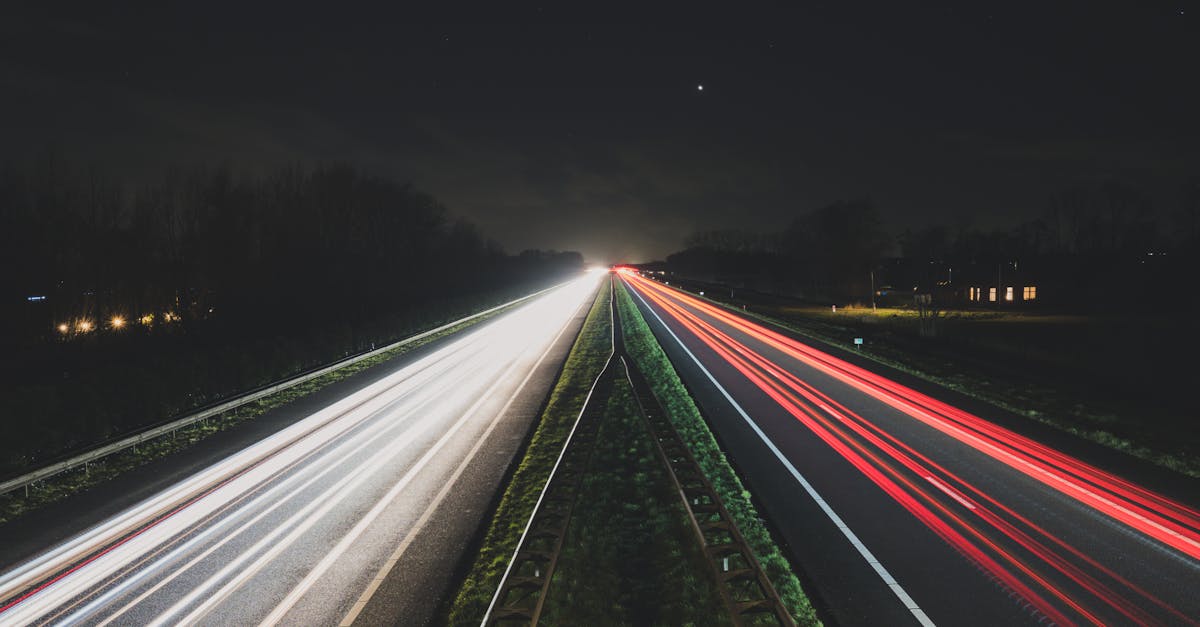 This photo was taken by Jornt Hornstra on Pexels.
Welcome to the heart of Europe, where the journey is often just as captivating as the destination! Germany offers a seamless blend of historic charm and modern innovation, making it one of the most accessible countries for travelers. Whether you are drawn to the freedom of driving on the legendary Autobahn, the punctual reliability of the Deutsche Bahn high-speed rail network, or the perfect synergy of both modes of transport, this guide is your essential companion. In "From Autobahn to High-Speed Rail: How to Get Around Germany Easily," we will explore everything from mastering traffic rules and discovering scenic drives to navigating train stations with confidence and planning the ultimate hybrid road trip. Get ready to discover how easy it can be to traverse this diverse landscape with style and efficiency.
Mastering the Autobahn: Rules, Tips, and Scenic Routes
Navigating Germany's famous Autobahn offers an exhilarating experience, but mastering it requires understanding its unique etiquette and rules. Unlike many other countries, large sections of the network have no general speed limit, though a recommended advisory speed of 130 km/h (81 mph) is strictly enforced in construction zones and near urban areas. Drivers must always use their turn signals well in advance and never overtake on the right; if you find yourself stuck behind a slow vehicle, the left lane is reserved exclusively for passing. Remember that tailgating is illegal and can result in heavy fines, so maintaining a safe distance is crucial not only for safety but also to avoid "Rechtsfahrgebot" violations where slower traffic blocks the fast lane.
For those seeking to combine high-speed travel with breathtaking landscapes, several scenic routes offer a perfect alternative to pure efficiency. The Romantic Road (Romantische Straße) winds through medieval towns like Rothenburg ob der Tauber and fairy-tale castles such as Neuschwanstein, while the Black Forest Highways provide winding paths past dense woodlands and traditional half-timbered villages. Even on the Autobahn itself, routes like the A9 from Munich to Berlin or the A61 along the Rhine offer stunning vistas of rolling hills and vineyards when you choose your exit at the right moment. Whether you are driving a rental car or hopping into a regional bus, these routes transform a simple journey into an immersive exploration of Germany's diverse geography and rich cultural heritage.
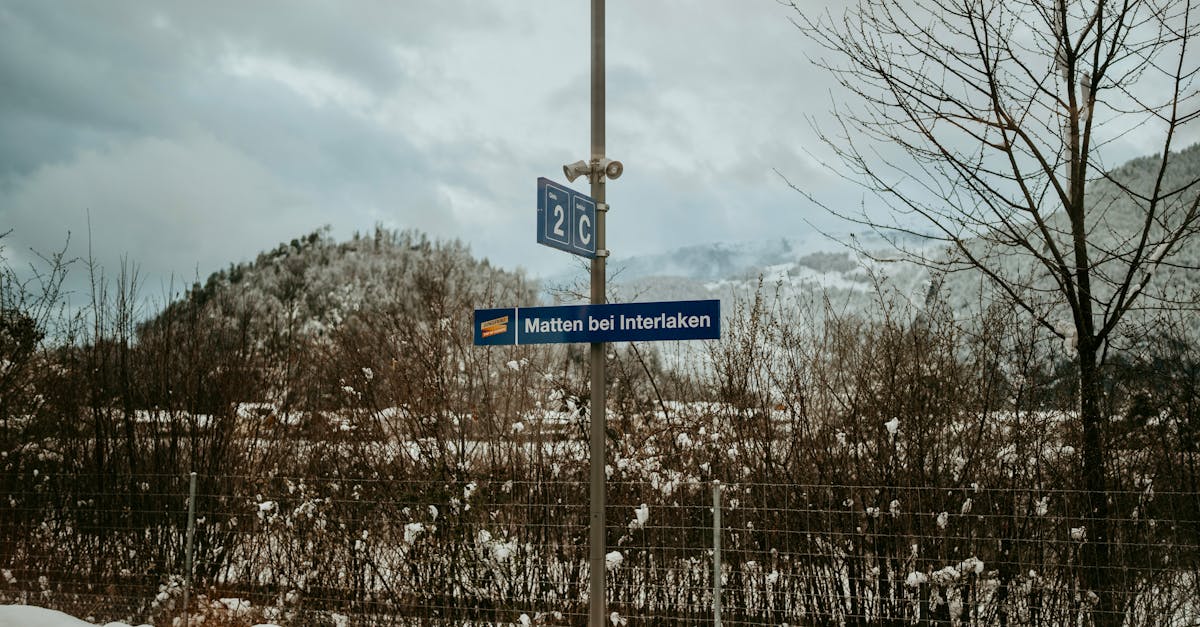 This photo was taken by Parth Patel on Pexels.
Navigating Germany's Efficient Deutsche Bahn Network
Germany's Deutsche Bahn (DB) network stands as a testament to the country's commitment to seamless connectivity, offering travelers a reliable alternative to driving on the Autobahn. Whether you are zipping from Berlin to Munich on a high-speed ICE train or exploring the scenic routes of the Black Forest via regional RE and RB services, the system is designed to minimize wait times and maximize comfort. The DB Navigator app serves as an indispensable tool for tourists, providing real-time updates, platform information, and mobile ticketing that eliminates the need for physical paper tickets, making navigation intuitive even for those who do not speak German fluently.
Navigating this extensive web becomes effortless once you understand the different service tiers and the integrated nature of local transport. For long-distance journeys, the ICE (InterCity Express) trains offer speed and luxury with amenities like Wi-Fi and power outlets, while the IC and EC trains provide excellent coverage to smaller towns at slightly lower speeds. Furthermore, the integration of regional trains with buses and trams ensures that even remote villages are accessible, allowing visitors to venture beyond major cities without renting a car. With flexible day passes like the Deutschland-Ticket available for €49, tourists can enjoy unlimited travel across all regional services throughout Germany, turning the entire nation into a single, easily explored destination.
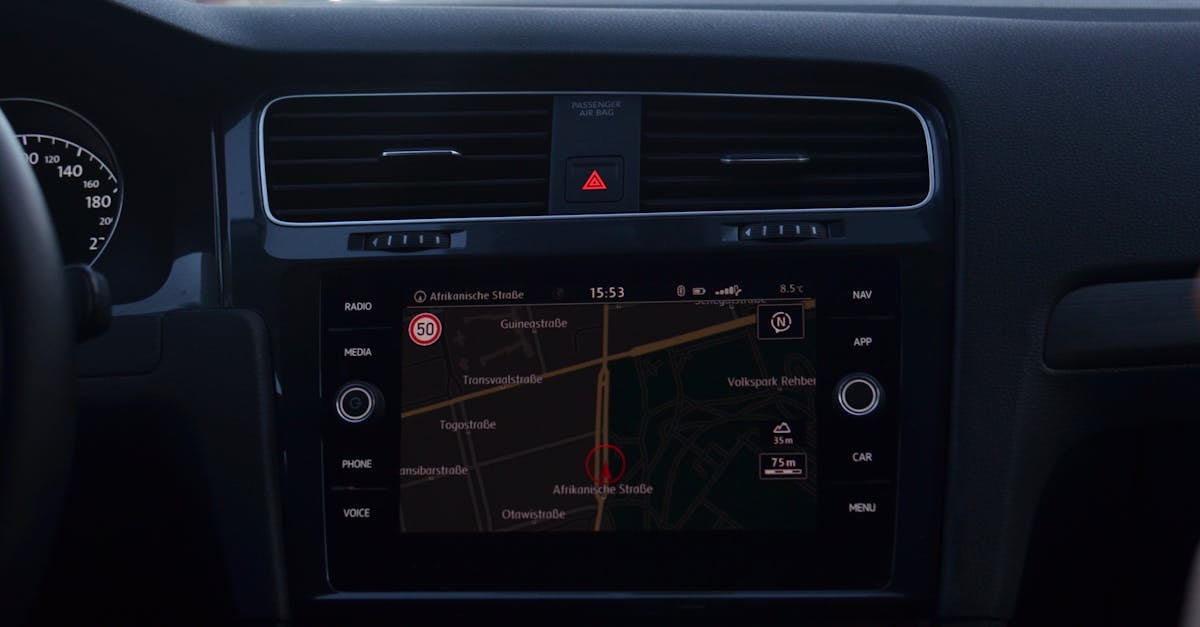 This photo was taken by Skylar Kang on Pexels.
Combining Car and Train for the Ultimate Road Trip
Germany's transport network is a masterclass in integration, allowing you to seamlessly blend the freedom of the Autobahn with the efficiency of high-speed rail. While the legendary Autobahn offers unparalleled flexibility for exploring remote villages and scenic countryside routes at your own pace, it can become congested or costly when navigating major metropolitan areas like Munich or Hamburg. The smartest strategy often involves driving to a city's outskirts and parking at a secure Park & Ride facility, then transferring to a Deutsche Bahn ICE train for rapid transit into the city center. This hybrid approach not only saves time by bypassing urban traffic jams but also significantly reduces fuel costs and parking fees, giving you the best of both worlds: the adventurous spirit of a road trip with the punctuality and comfort of Germany's world-class rail system.
To maximize this combination, travelers should take advantage of Germany's extensive regional day passes and intercity discounts, which make hopping between modes of transport surprisingly affordable. For instance, you might drive through the romantic Rhine Valley over the weekend, stopping to photograph medieval castles along the way, before catching a direct ICE connection from Koblenz to Berlin for a quick business meeting or cultural excursion. Many rental agencies even offer one-way drop-offs in different cities, encouraging multi-modal journeys that cover vast distances without the fatigue of long drives. By strategically planning your itinerary to utilize trains for long stretches and cars for local exploration, you experience the true diversity of German landscapes—from the alpine peaks of Bavaria to the historic charm of Saxony—without the stress of constant navigation.
 This photo was taken by Leon Aschemann on Pexels.