From Beer Gardens to Oktoberfest: The Complete Beer Culture Guide
 This photo was taken by Manuel Joseph on Pexels.
There is no better way to experience the soul of Germany than through its beer culture, a tradition that weaves together history, community, and craftsmanship into every glass. From the sun-dappled benches of traditional Biergärten, where neighbors gather for hours over cold pints and hearty pretzels, to the electric, brass-filled tents of Oktoberfest, the rhythm of German life often beats in time with the pouring of a fresh lager. But the story extends far beyond Munich; our regions boast unique brewing styles and hidden gems waiting to be discovered by the curious traveler. Whether you are seeking to master local etiquette or simply want to find the perfect spot for your next pint, this guide will take you on a flavorful journey from the iconic festivals to the quiet village cellars that define our beloved beverage.
The Art of the Biergarten: Where Locals Gather
The quintessential German beer garden, or Biergarten, is far more than a place to drink; it is the vibrant heart of local social life where tradition meets community. Rooted in centuries-old laws that originally allowed breweries to sell their surplus beer outdoors under chestnut trees, these open-air sanctuaries are now found in every city and village from Munich to Berlin. Here, the atmosphere is defined by long, communal wooden tables shared with strangers who quickly become friends over a stein of crisp Helles or a glass of refreshing Weissbier. Unlike the often rowdy nightclubs, the Biergarten offers a relaxed, family-friendly environment where the clinking of glasses and lively chatter create a unique soundscape, all while enjoying the simple pleasure of eating traditional snacks like giant pretzels (Brezeln) and cold meats alongside your brew.
What truly sets the German Biergarten apart is its distinctive etiquette and the famous "Bring Your Own Food" rule, which encourages locals to pack a picnic and share their culinary creations with the group. This custom fosters an inclusive spirit where neighbors, families, and tourists mingle freely, breaking down social barriers under the shade of ancient linden or chestnut trees. Whether you are visiting during a sunny summer afternoon or watching the autumn leaves fall, the Biergarten remains a sanctuary of leisure where time seems to slow down. It is here that visitors can experience the authentic German concept of Gemütlichkeit—a feeling of warmth, friendliness, and good cheer—that makes these green oases the perfect backdrop for understanding how Germans truly celebrate their beloved beverage culture beyond the confines of Oktoberfest.
 This photo was taken by Erik Mclean on Pexels.
Oktoberfest Decoded: Traditions, Etiquette, and Tips
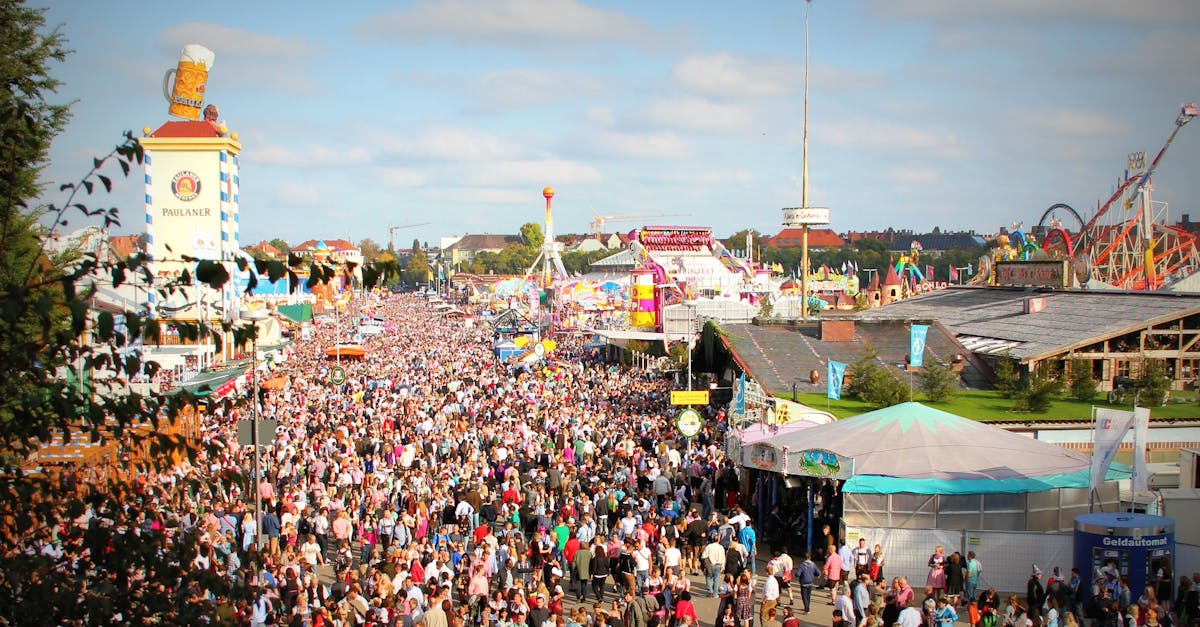
At the heart of Oktoberfest lies a rich tapestry of traditions that go far beyond simply enjoying a Maßkrug of beer. The festival, officially known as the Wiesn, is steeped in centuries-old customs, from the Mayor's ceremonial tapping of the first keg to the specific way steins are clinked with a hearty "O'zapft is!" echoing through the tents. Etiquette plays a crucial role here; visitors are expected to dress in traditional Tracht like Lederhosen or Dirndls, though it is perfectly acceptable for tourists to wear them if they feel comfortable. Remember that tipping is customary and usually given by rounding up the bill or leaving a few euros on the table, while sharing large tables with strangers is not just polite but an integral part of the communal spirit that defines the event.
To make the most of your visit, practical tips are essential for navigating this massive celebration without getting overwhelmed. Arrive early, ideally before 10:00 AM, to secure a seat in the popular tents, as they often fill up within minutes of opening, and be prepared for a long day as the festivities typically run until late evening or even midnight. While beer is the star, do not overlook the delicious Bavarian cuisine served alongside it, such as Hendl (roast chicken) and Obatzda, which helps balance the strong alcohol content. Finally, stay hydrated by alternating between water and beer, and always keep an eye on your belongings, as the crowds can be dense and pickpockets may take advantage of the lively atmosphere.
 This photo was taken by Parth Patel on Pexels.
Beyond Munich: Regional Brews and Hidden Beer Gems
While Munich rightfully claims the spotlight for its world-famous beer gardens and Oktoberfest, Germany's true brewing diversity flourishes in the regions just beyond the Bavarian capital. Venture north to the Rhine Valley or east into Saxony, where local breweries craft distinct styles that defy the standard lager narrative. In cities like Cologne, you will find Kölsch served in slender glasses, a light, top-fermented ale protected by strict regional laws, while Berlin offers crisp Pilsners in a vibrant urban setting. These areas boast hidden gems ranging from family-run microbreweries in the Black Forest to historic gypsy pubs in Hamburg, each offering a unique taste of local terroir that tells a deeper story about German craftsmanship than any festival could alone.Discovering these regional treasures often requires stepping off the main tourist trails to explore village festivals and unassuming taverns tucked away in cobblestone alleys. Many of these establishments serve beers that are never exported, brewed in small batches using centuries-old recipes passed down through generations. Whether it is a dark, malty Schwarzbier from Thuringia or a fruity Berliner Weisse with a shot of woodruff syrup in the capital, the experience is intimate and authentic. By seeking out these lesser-known spots, travelers can engage directly with local brewers who are passionate about preserving their heritage, turning a simple pint into a memorable journey through Germany's rich and varied liquid history.
This photo was taken by Erik Mclean on Pexels.