From Beer to Bread: Understanding German Food Culture
 This photo was taken by Pami Avilés on Pexels.
Welcome to the heart of Germany, where culinary traditions are not merely about sustenance but are deeply woven into the fabric of daily life and celebration. From the crusty, sourdough loaves that define our bakeries to the golden pints enjoyed in historic beer gardens, German food culture is a rich tapestry of regional diversity and time-honored rituals. In this post, we will embark on a flavorful journey through "From Beer to Bread," exploring the thousands of varieties of traditional bread, the intricate artistry behind our beloved brewing heritage, and the delicious spectrum of dishes ranging from humble everyday comforts to celebrated regional specialties. Get ready to savor the authentic taste of Germany with us.
The Heart of the Feast: Traditional German Bread Varieties
At the very core of German culinary identity lies a bread culture so profound that it is protected by law and celebrated in museums, making the daily loaf far more than mere sustenance. With over 3,000 registered varieties ranging from the dense, sour rye loaves of the north to the crisp-crusted wheat rolls known as Brötchen in the south, every region boasts its own distinct heritage. Unlike the soft, sweet breads found elsewhere, traditional German bread is often characterized by long fermentation processes using sourdough starters, resulting in complex flavors and textures that pair perfectly with the country's famous beer gardens or hearty breakfast spreads featuring cold cuts and fresh cheeses.
For visitors exploring Germany, understanding these varieties offers a delicious gateway into local customs, where the ritual of breaking off a piece of crusty bread to scoop up butter or dip into soup is a cherished social act. Whether you are wandering through a bustling market in Munich sampling the dark, molasses-rich Roggenbrot or enjoying a simple roll with morning coffee in Berlin, the diversity of German bakery offerings reflects the nation's agricultural history and regional pride. This deep-rooted tradition ensures that no matter where your journey takes you across the federal states, the aroma of freshly baked bread remains the most welcoming invitation to experience the true heart of German hospitality.
 This photo was taken by Magda Ehlers on Pexels.
Beyond the Pint: The Art and Ritual of German Beer Culture
While the image of a stein in hand is iconic, German beer culture extends far beyond mere consumption; it is a deeply ingrained social ritual governed by centuries of tradition and the Reinheitsgebot, or Beer Purity Law. In Bavaria, for instance, the act of ordering is an event in itself, where patrons often wait hours for their "Maß" (a one-liter mug) to be poured with precision, ensuring the perfect head remains intact as a sign of freshness. This reverence transforms the local Gasthaus into a communal living room where conversations flow as freely as the lager, and the rhythmic clinking of glasses serves as a universal language of camaraderie that bridges generations.
The artistry behind each brew is equally significant, with regional variations reflecting the unique terroir of Germany's diverse landscapes, from the crisp wheat beers of Munich to the smoky Rauchbier of Bamberg. These styles are not just beverages but edible heritage, often paired with specific culinary traditions that elevate the dining experience. Whether enjoyed during the vibrant atmosphere of Oktoberfest or in the quiet intimacy of a countryside brewery, understanding these nuances allows travelers to appreciate beer not merely as an alcoholic drink, but as a cornerstone of German identity and a testament to the country's commitment to craftsmanship and quality.
 This photo was taken by Xavier Messina on Pexels.
From Regional Specialties to Everyday Comforts: A Culinary Journey
Germany's culinary landscape is a vibrant tapestry woven from centuries of regional diversity, where every state boasts its own signature dishes that tell a story of local history and tradition. In the south, you might savor hearty Spätzle noodles smothered in creamy cheese or enjoy the rich flavors of Black Forest ham, while the north offers fresh seafood like Fischbrötchen on a bustling harbor breeze. These regional specialties are not merely meals but cultural treasures, often prepared with ingredients sourced from nearby farms and forests, reflecting a deep respect for the land and seasons that define German gastronomy beyond the famous sausages.
Beyond the festival feasts and regional delicacies, everyday German life is anchored by comforting staples that bring warmth to daily routines. The concept of "Abendbrot," or evening bread, remains a cherished ritual across the country, featuring an array of artisanal rye and wheat breads paired with cold cuts, cheeses, and pickles, all enjoyed in the quiet company of family. Whether it is a simple potato salad at a summer barbecue or a steaming bowl of lentil soup on a chilly winter afternoon, these everyday comforts highlight a food culture that values quality, simplicity, and the joy of sharing good food without pretense.
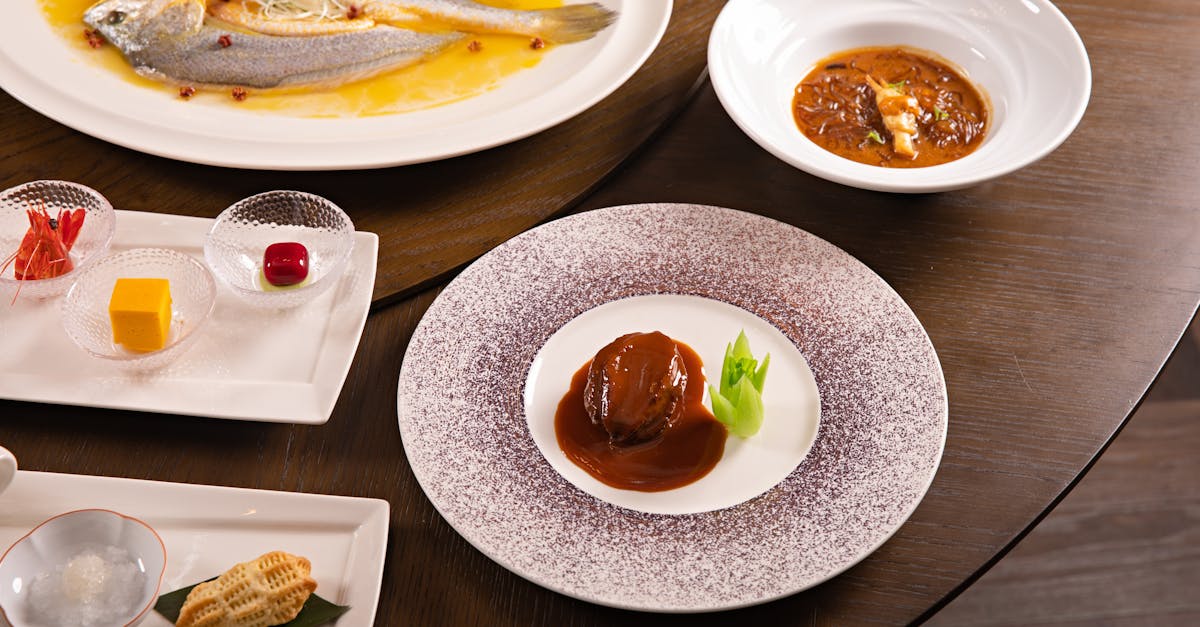 This photo was taken by Change C.C on Pexels.