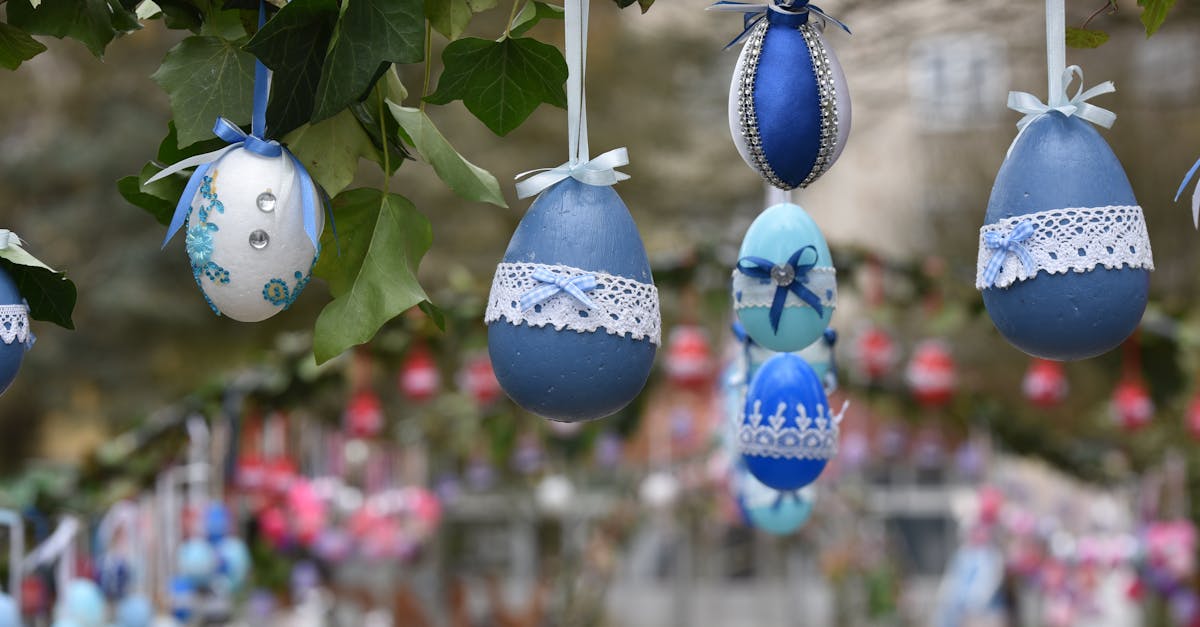
 This photo was taken by Zsolt Bodnár on Pexels.
Welcome to the heart of Germany, where the rhythm of the seasons is marked not just by changing weather, but by a rich tapestry of cherished traditions that have captivated visitors for centuries. From the twinkling lights and spicy aromas of world-famous Christmas markets in December to the playful egg hunts that brighten spring mornings, our festive calendar offers something magical at every turn. In this post, we will guide you through the enchanting atmosphere of German holiday markets, explore the delightful customs surrounding Easter, and take you on a journey through the year-round celebrations that define life here. Whether you are planning your first trip or looking to deepen your understanding of local culture, get ready to immerse yourself in the warmth and wonder of German festivities.
The Magic of German Christmas Markets
As winter descends upon Germany, the country transforms into a enchanting wonderland centered around its world-famous Christmas markets, known locally as Weihnachtsmärkte. These historic gatherings, often dating back centuries, fill the cobblestone squares of cities from Munich to Rothenburg ob der Tauber with the warm glow of thousands of twinkling lights and the rich aroma of glühwein, roasted almonds, and bratwurst. Strolling through these festive havens, visitors are greeted by handcrafted stalls selling intricate wooden ornaments, delicate glass figurines, and traditional woolen goods, creating an atmosphere where old-world charm meets holiday joy. The sound of carolers singing classic hymns in German harmonizes with the laughter of families sharing sweet treats like Lebkuchen and Spekulatius, offering an immersive cultural experience that captures the very soul of German celebration.
Beyond the visual splendor, these markets serve as vital community hubs where the spirit of giving and togetherness thrives during the darkest days of the year. Each region boasts its own unique character; while Dresden's Striezelmarkt offers a glimpse into imperial history, Nuremberg's Christkindlesmarkt is renowned for its strict traditions regarding the opening ceremony by the Christkind. Whether you are sipping on a steaming mug of mulled wine to ward off the chill or watching children marvel at life-sized nativity scenes, the magic lies in the shared warmth among strangers who have become temporary neighbors. This deeply rooted tradition not only delights tourists but also reinforces local identity, making every visit to a German Christmas market a memorable journey into the heart of Central European heritage.
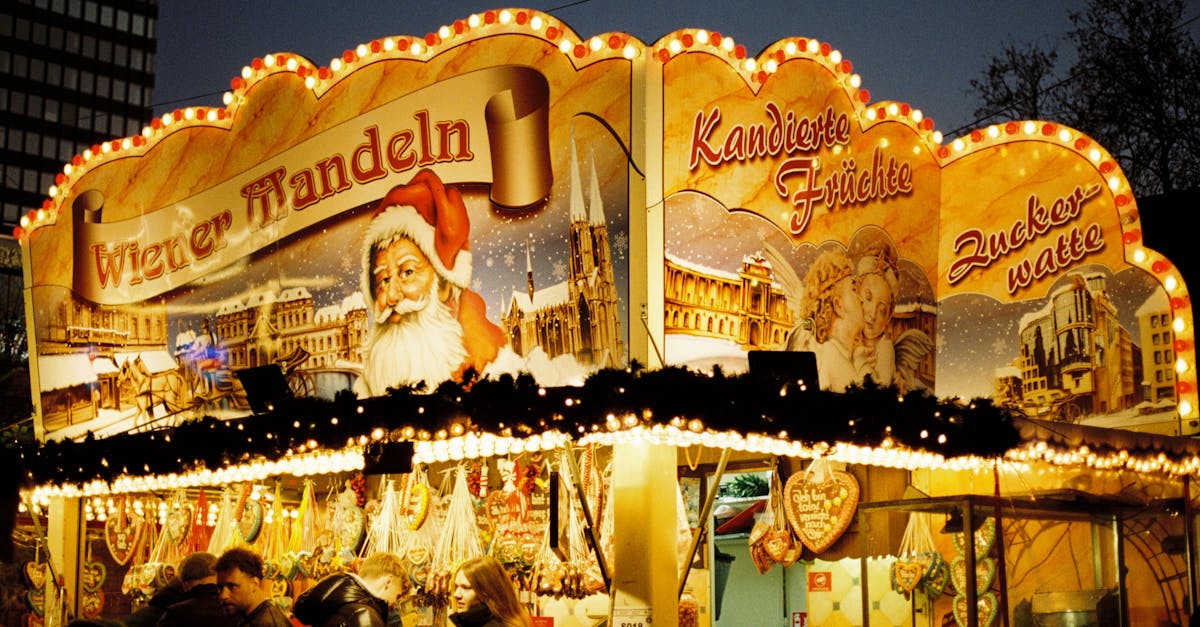
This
photo was taken by
Rajeev Singh on Pexels.
Easter Customs and the Hunt for Golden Eggs
While Germany is world-famous for its enchanting Christmas markets, the spring season brings a different kind of magic with its vibrant Easter customs. As the frost melts and nature awakens, towns across the country transform into colorful landscapes where families gather to decorate their homes with pussy willow branches and painted eggs known as "Ostereier." The tradition of dyeing eggs dates back centuries, but today it has evolved into a creative art form, with intricate patterns ranging from simple dots to complex wax-resist designs that tell stories of local folklore. These handcrafted treasures are not just decorative; they symbolize new life and hope, serving as the centerpiece of festive family gatherings where children eagerly search for hidden surprises in gardens and parks.
The highlight of the German Easter celebration is undoubtedly the hunt for golden eggs, or "goldene Eier," which has become a beloved ritual for both locals and tourists alike. In many regions, especially in Bavaria and Baden-Württemberg, parents and community volunteers hide chocolate eggs wrapped in gold foil or actual plastic eggs filled with sweets throughout public parks and historic town squares. Children don their best spring outfits, armed with wicker baskets, as they scour the grassy areas following clues or simply enjoying the thrill of discovery. This joyful activity often culminates in a grand parade or a community feast, reinforcing the spirit of togetherness and marking the official arrival of spring in a uniquely German fashion.
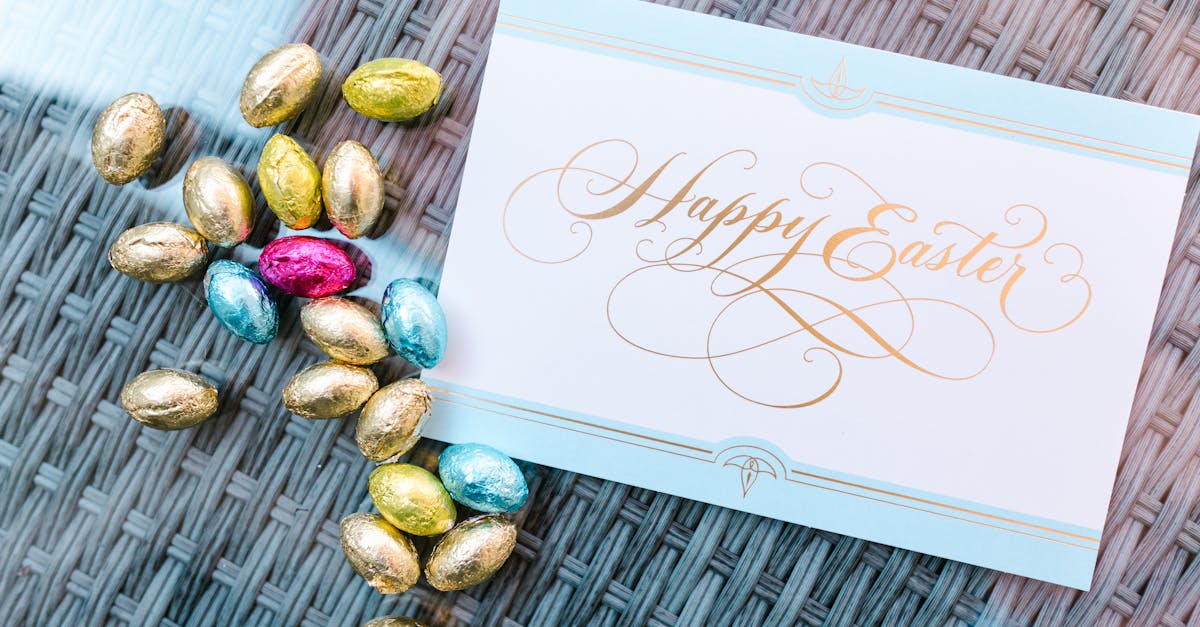
This
photo was taken by
RDNE Stock project on Pexels.
From Advent Calendars to Palm Sunday: A Year-Round Celebration
Germany's festive spirit is not confined to a single season but flows through the entire calendar year, beginning with the beloved tradition of Advent calendars. As December approaches, households across the country fill their windows and doorsteps with these charming countdowns, where each small door reveals a chocolate treat or a seasonal illustration, building anticipation for Christmas Eve. This sense of joyful preparation extends beyond the winter holidays; as spring arrives, the focus shifts to Palm Sunday, where families gather in churches to receive blessed palm branches woven from local willow or birch, symbolizing peace and renewal. These rituals create a continuous thread of community and reflection, ensuring that every month holds its own unique moment of celebration and togetherness.
The rhythm of German festivities continues to unfold with vibrant customs that mark the changing seasons, such as the colorful Easter egg hunts in parks and the lively May Day celebrations featuring decorated maypoles. Whether it is the intricate carving of wooden eggs during Easter or the singing of traditional hymns during Pentecost, these events invite both locals and visitors to immerse themselves in the rich cultural tapestry of the nation. By participating in these year-round traditions, travelers gain a deeper understanding of German heritage, experiencing how history and modern life blend seamlessly in communities that cherish their festivals as essential expressions of identity and joy.
This
photo was taken by
Tarık baki on Pexels.