From Oktoberfest to Beer Gardens: The Complete Beer Culture Guide
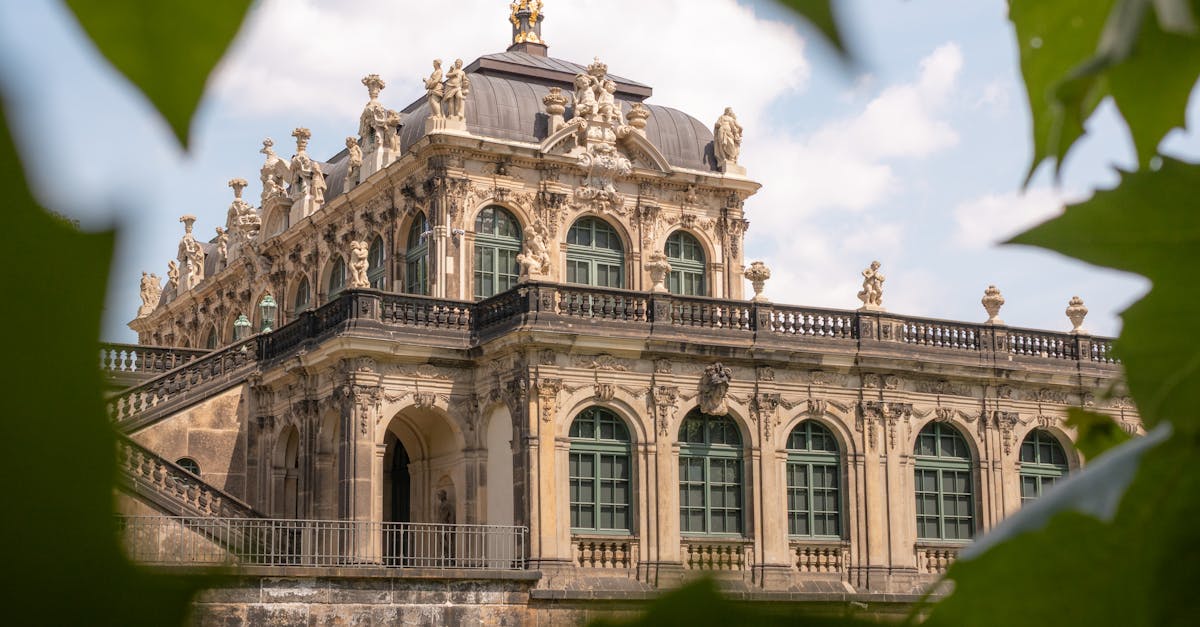
 This photo was taken by Quang Nguyen Vinh on Pexels.
Guten Tag and Prost! Welcome to the heart of Germany's most beloved tradition. For many, a trip to this country isn't complete without raising a glass to its rich beer culture, but understanding the nuances between a bustling festival, a quiet garden, and a local brewery is where the true magic lies. Whether you are navigating the tents of Munich during Oktoberfest or seeking out hidden gems in Bavaria's countryside, this guide is your passport to authentic experiences. We will walk you through the etiquette of traditional beer gardens, share insider tips for surviving the world's largest folk festival like a seasoned local, and take you on a journey across the nation to discover how each region crafts its unique brews. Get ready to explore, taste, and celebrate the liquid gold that flows through Germany's veins.
Discovering Bavaria's Iconic Beer Gardens
Stepping into a traditional Bavarian beer garden is an experience that transcends mere refreshment, offering a deep dive into the region's social fabric and centuries-old traditions. Unlike the bustling halls of Oktoberfest, these open-air sanctuaries are characterized by their communal atmosphere, where long wooden tables often require strangers to share space and stories, fostering a unique sense of camaraderie under the shade of ancient chestnut trees. Here, the famous Weizenbier or Helles is served in distinctive 0.5-liter glass mugs called Maßkrüge, which must be placed on the table when not in hand—a subtle nod to the local etiquette that ensures safety and order in these lively gatherings.
What truly sets these establishments apart is the "Mitbringrecht," or right to bring your own food, allowing visitors to curate their own feast ranging from savory Weisswurst and pretzels to hearty salads and cold cuts purchased from nearby markets. This custom encourages a relaxed, picnic-style dining experience where the focus shifts from expensive service to the joy of good company and high-quality beer. Whether you find a historic gem nestled in Munich's Englischer Garten or a rustic spot in the rolling hills of the Alps, each beer garden offers an authentic slice of Bavarian life that celebrates simplicity, nature, and the art of slowing down to savor the moment.
 This photo was taken by Niklas Jeromin on Pexels.
Navigating the Oktoberfest Experience Like a Local
To truly navigate the Oktoberfest experience like a local, you must arrive early and embrace the "Gemütlichkeit" before the crowds peak; locals know that securing a seat at a communal table in one of the massive tents often requires being there by 9:00 AM, or even earlier on weekends. Instead of rushing to the main stages for the opening ceremony, seasoned visitors prioritize exploring the smaller, family-owned tents where traditional Bavarian brass bands play polkas with genuine passion rather than commercial flair. Remember that tipping is an art form here; it is customary to leave a generous tip for your beer stein service, and if you are served a fresh Maß (one-liter mug), a simple "Prost!" accompanied by direct eye contact seals the bond between guest and host.
Once the festival grounds have quieted down, the authentic spirit of German beer culture reveals itself in the city's sprawling beer gardens, which operate under their own unique unwritten rules. Locals insist on bringing your own food from nearby bakeries or delicatessens to enjoy in these open-air havens, as eating pre-packaged snacks from outside vendors is frowned upon inside the garden walls. The social etiquette is equally specific: always wait until everyone has clinked glasses before taking that first sip, and never order a beer without ordering a plate of Obatzda or a hearty Schweinshaxe to accompany it. By shifting your focus from the chaotic energy of the Theresienwiese to the relaxed, communal rhythm of a traditional Biergarten, you unlock the true soul of Bavarian hospitality.
 This photo was taken by Skylar Kang on Pexels.
Exploring Germany's Regional Brews and Brewing Traditions
 This photo was taken by Karina Guseva on Pexels.