From Oktoberfest to Carnival: Navigating Germany's Major Festivals
 This photo was taken by Manuel Joseph on Pexels.
Germany is a land where celebration is woven into the very fabric of its culture, offering a vibrant tapestry of events that range from world-famous spectacles to intimate local traditions. From the frothy beer halls of Munich to the masked parades of the Rhineland, each festival tells a unique story of history, community, and joy. Whether you are drawn to the rhythmic clinking of steins during Oktoberfest, the dazzling costumes and satirical floats of Carnival season, or the hidden gems found in regional folk gatherings, this guide will help you navigate the country's most iconic celebrations. Join us as we explore how these timeless festivities transform cities and villages into stages of unforgettable memories.
The Bavarian Beer Traditions: A Deep Dive into Oktoberfest
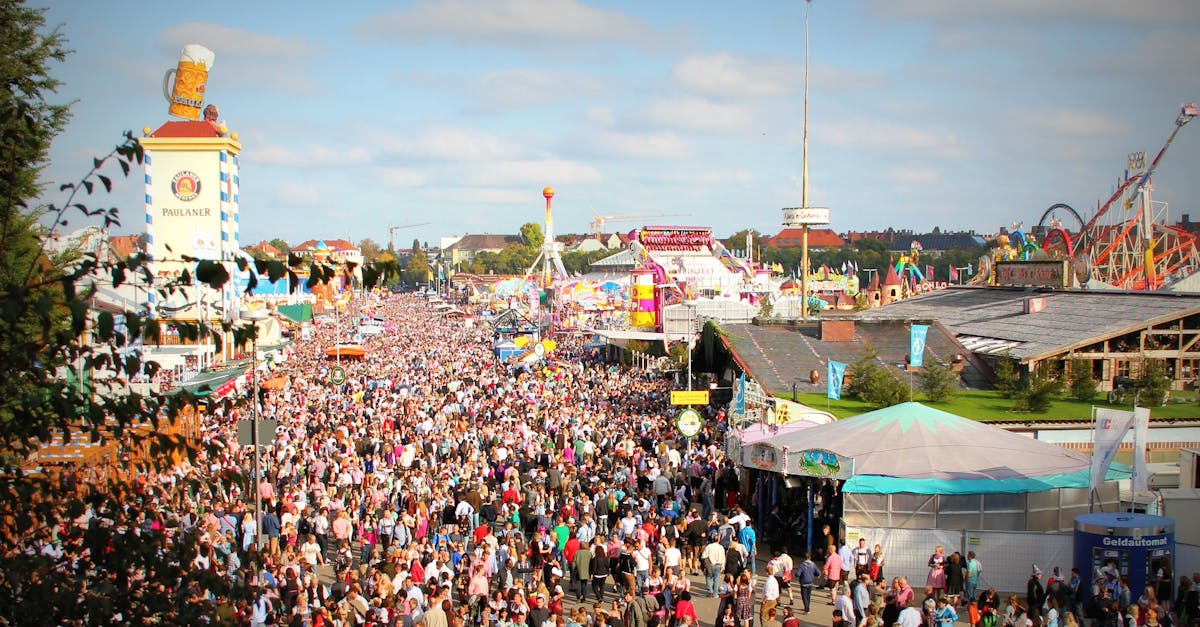
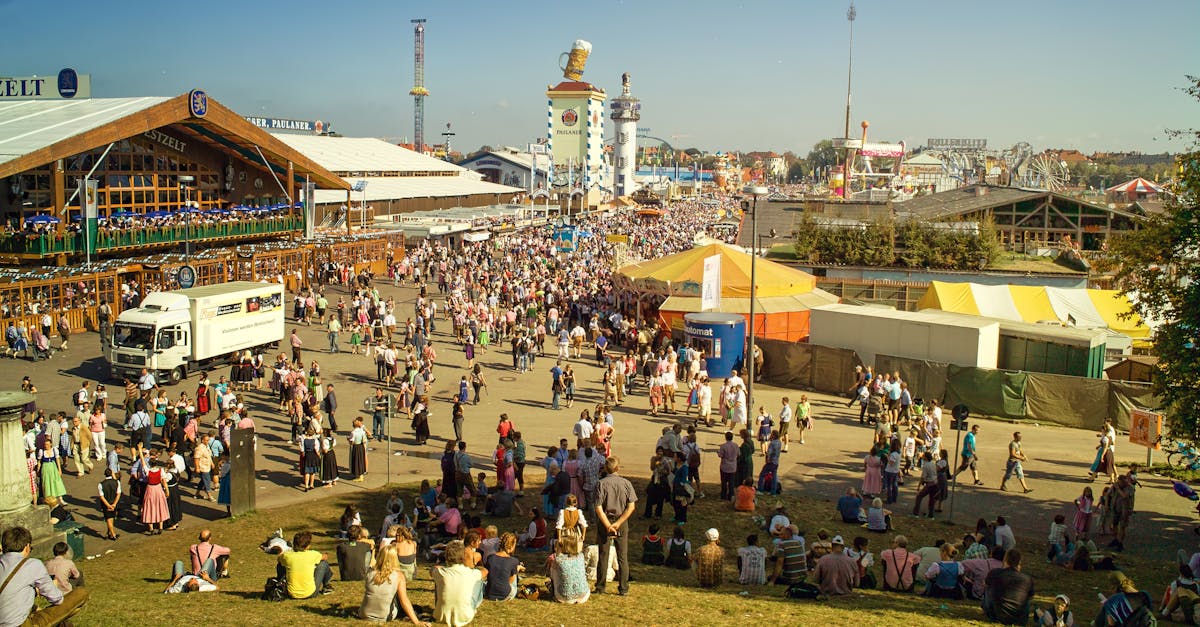
At the heart of Bavaria's cultural identity lies Oktoberfest, a two-week festival held annually in Munich that has evolved from a simple royal wedding celebration into the world's largest Volksfest. Visitors are immediately immersed in a sea of marquee tents where traditional brass bands play lively oompah music and thousands don Lederhosen or Dirndls to join in the merriment. The centerpiece of this experience is undoubtedly the beer itself; brewed exclusively for the event by six historic breweries within the city limits, these strong, golden lagers adhere to strict purity laws and are served in massive one-liter steins known as Maßkrugs, creating a unique social ritual where clinking glasses and singing along to folk songs fosters an instant sense of community among locals and travelers alike.
Navigating the traditions of Oktoberfest requires more than just showing up; it involves understanding the etiquette and timing that make the event so special. The festival officially opens with the Mayor tapping the first keg at 12:00 PM on the first Saturday, followed by a parade of brewers and tent owners that winds through the streets, while the peak crowds arrive during the weekends when the atmosphere transforms into an electric carnival of joy. Beyond the beer halls, the fairground offers classic rides, games, and local delicacies like roasted chicken and pretzels, ensuring that even those who prefer not to drink heavily can fully appreciate the rich tapestry of Bavarian hospitality and centuries-old customs that define this iconic German celebration.
 This photo was taken by Johannes Plenio on Pexels.
Shrovetide Revelry: Experiencing the Magic of German Carnival
 This photo was taken by Erik Mclean on Pexels.
Beyond the Headlines: Discovering Germany's Regional Folk Festivals
While the world knows Germany for its massive beer halls and roaring parades, the true soul of German celebration often beats strongest in its smaller, regional folk festivals that have been preserved for centuries. Venturing beyond the headlines reveals a tapestry of local traditions, such as the vibrant Volksfeste held in villages from Bavaria to Saxony, where costumed dancers perform ancient rituals and artisans showcase handcrafted wares passed down through generations. These gatherings offer an intimate glimpse into rural life, allowing visitors to taste hearty, region-specific dishes like Haxe or Bratwurst prepared over open fires while listening to traditional polka bands that echo the sounds of a bygone era.
Participating in these local festivities provides a unique opportunity to connect with the genuine hospitality of the German people, who are often more than willing to share their stories and invite strangers to join their circle dances. Unlike the tourist-heavy atmosphere of major city events, these regional celebrations maintain a communal spirit where language barriers melt away amidst shared laughter and song. Whether you are wandering through a springtime flower parade in Baden-Württemberg or experiencing the solemn yet joyous customs of a harvest festival in the Black Forest, these hidden gems remind travelers that Germany's cultural heritage is not just about grand spectacles, but about the enduring bonds of community and tradition that thrive in every corner of the country.
 This photo was taken by Scott Lord on Pexels.