German Architecture: From Gothic Cathedrals to Modern Marvels
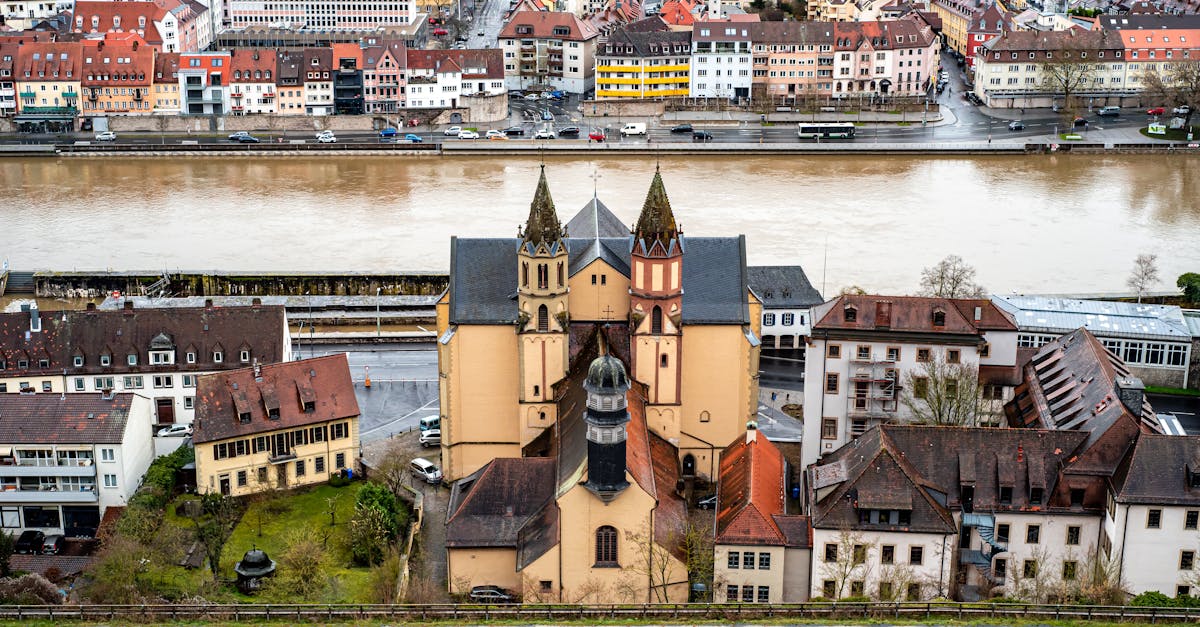 This photo was taken by Emre Ozyemisci on Pexels.
Welcome to the heart of Europe, where every cobblestone street and towering spire tells a story of resilience, innovation, and timeless beauty. As your guide through Germany's architectural wonders, I invite you on a journey that spans centuries, from the soaring Gothic cathedrals that pierced medieval skies to the sleek, functional lines of the Bauhaus movement that reshaped modern living. In this post, we will explore how historic German cities have masterfully woven their rich past into the fabric of contemporary life, showcasing a unique dialogue between restoration and revolution. Whether you are an architecture enthusiast or simply a traveler seeking inspiration, get ready to discover the majestic spires, the fusion of eras, and the restored glory that define Germany's built heritage.
The Majestic Spires: Exploring Germany's Gothic Masterpieces
Germany's skyline is dominated by breathtaking Gothic cathedrals that stand as timeless testaments to medieval engineering and spiritual devotion. The Cologne Cathedral, with its soaring twin spires piercing the heavens, remains the ultimate symbol of this architectural style, inviting visitors to marvel at its intricate stone tracery and vast stained-glass windows that bathe the interior in ethereal light. Similarly, the Ulm Minster claims the title of the world's tallest church tower, offering a challenging yet rewarding climb for those eager to gaze upon the sprawling Black Forest from its summit. These sacred structures are not merely religious sites but living museums where every gargoyle and flying buttress tells a story of centuries-old craftsmanship.
Beyond the grandeur of these towering giants, exploring Germany's Gothic masterpieces reveals a rich tapestry of regional diversity and historical depth found in cities like Regensburg, Freiburg, and Magdeburg. Each cathedral reflects unique local traditions while adhering to the defining verticality and light-filled aesthetics of the Gothic era, creating an atmosphere of awe that transcends time. Whether you are wandering through the shadowed cloisters of the Speyer Cathedral or admiring the delicate rose window of Strasbourg (just across the border), these architectural wonders provide a profound connection to Germany's past, seamlessly blending history with the vibrant cultural life of modern-day German towns.
 This photo was taken by Erik Mclean on Pexels.
A Fusion of Eras: The Bauhaus Movement and Contemporary Design
Stepping into the heart of Germany, one encounters a striking architectural dialogue where the minimalist philosophy of the Bauhaus movement seamlessly merges with today's cutting-edge design. Born in Weimar and later flourishing in Dessau and Berlin, this revolutionary school rejected ornate historical styles in favor of "form follows function," championing clean lines, geometric shapes, and industrial materials like steel and glass. As you wander through cities like Berlin or visit the iconic Bauhaus University building in Dessau, you will see how these early 20th-century ideals have not faded but evolved, serving as the foundational DNA for contemporary German architecture that prioritizes sustainability, open spaces, and human-centric living.
This fusion is nowhere more evident than in the modern skylines of Frankfurt and Hamburg, where sleek glass towers echo the functionalist spirit of Walter Gropius while incorporating advanced eco-friendly technologies. Contemporary architects across the country continue to reinterpret Bauhaus principles, creating structures that are both visually striking and deeply practical, such as the transparent facades of the new museums in Leipzig or the energy-efficient residential blocks in Munich. For the traveler, exploring these spaces offers more than just visual pleasure; it provides an immersive journey through a century of innovation, demonstrating how Germany successfully bridges its rich artistic heritage with a forward-looking vision that defines the future of global urban living.
 This photo was taken by Jean-Paul Wettstein on Pexels.
Restored Glory: Modern Revivals in Historic German Cities
Germany's urban landscape tells a compelling story of resilience, where the scars of history have been meticulously healed to reveal a breathtaking blend of old and new. In cities like Dresden, the Frauenkirche stands as a powerful testament to this spirit; once reduced to rubble during World War II, its sandstone dome was painstakingly reconstructed over decades, allowing it to rise again as a symbol of peace rather than destruction. Similarly, Berlin's reconstruction of the Berliner Dom and the integration of the Reichstag's glass dome by Norman Foster demonstrate how modern engineering can honor historical grandeur without erasing the layers of time that define these cities.
This phenomenon extends beyond mere restoration into dynamic urban renewal, where historic districts are revitalized through contemporary architectural interventions that spark dialogue between centuries. The Spree River banks in Berlin and the Elbe River promenades in Hamburg showcase how architects are weaving sustainable, glass-and-steel structures into medieval cityscapes, creating vibrant public spaces that invite both locals and tourists to explore. These modern revivals do not overshadow the Gothic spires or Baroque facades but rather frame them, proving that Germany's commitment to preserving its heritage is perfectly compatible with embracing the innovative designs of the 21st century.
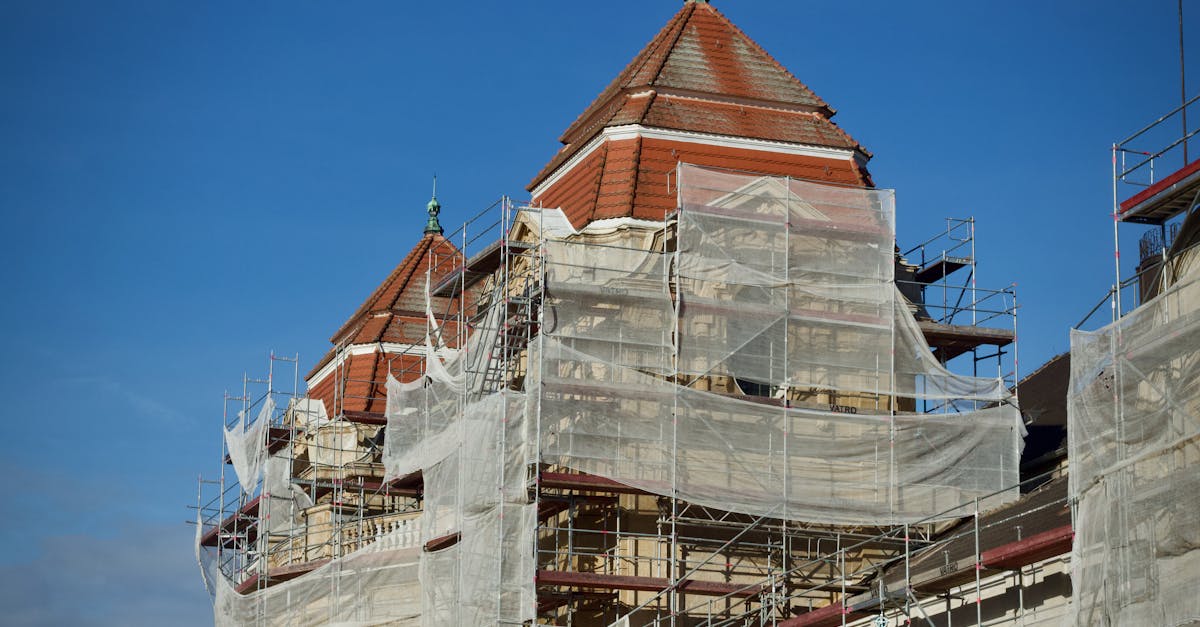 This photo was taken by Peter Dyllong on Pexels.