German Christmas Markets: A Winter Wonderland Experience
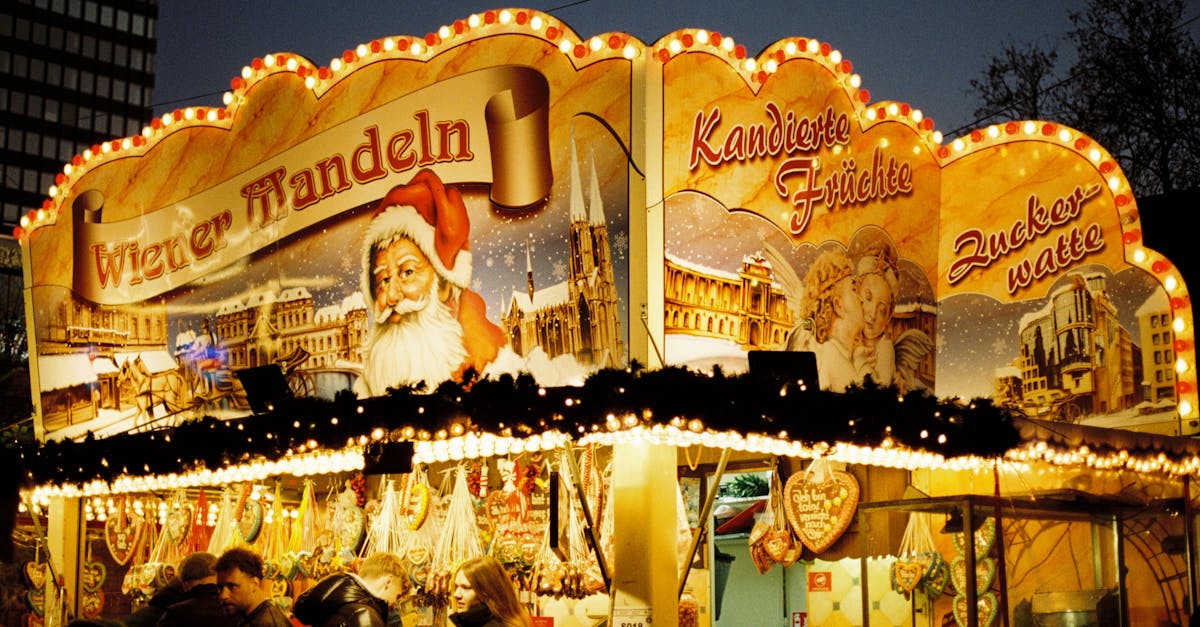 This photo was taken by Rajeev Singh on Pexels.
Welcome to the heart of Germany during its most enchanting season, where cobblestone streets transform into glowing pathways of light and the crisp winter air fills with the scent of pine and spices. As your local guide, I invite you to step into a living fairytale that has captivated visitors for centuries: the German Christmas Market. In this journey through our festive traditions, we will uncover the artistry behind handcrafted ornaments in Discovering the Magic of Traditional Craftsmanship, indulge in the warmth of spiced wine and gingerbread under Savoring Seasonal Delights: Glühwein and Lebkuchen, and travel from the historic Marienplatz in Munich to the majestic Dresden Striezelmarkt in Exploring Regional Highlights from Munich to Dresden. Whether you are seeking holiday cheer or cultural immersion, let us explore together why these markets remain a true winter wonderland experience.
Discovering the Magic of Traditional Craftsmanship
Wandering through the stalls of a German Christmas market reveals more than just festive treats; it offers a tangible connection to centuries-old traditions of traditional craftsmanship. Skilled artisans, often dressed in period-appropriate attire, demonstrate their mastery in wood carving, glass blowing, and candle making right before your eyes. You might watch a master turner shape a delicate wooden nutcracker or a glassblower create intricate baubles that catch the warm glow of the market lights. These handmade treasures, from hand-painted porcelain ornaments to intricately carved wooden pyramids, are not merely souvenirs but stories of heritage passed down through generations, inviting you to take a piece of authentic German culture home with you.
Beyond the visual spectacle, engaging with these craftsmen adds a personal layer to your winter wonderland experience. Many vendors are eager to share the techniques behind their work, explaining how local materials like pine wood from the Black Forest or clay from Thuringia are transformed into timeless art. Purchasing an item directly from the maker supports local families and ensures that these ancient skills continue to thrive in the modern world. Whether you are selecting a unique hand-blown ornament for your tree or commissioning a custom wooden toy, every transaction becomes a celebration of human creativity and the enduring spirit of community that defines the heart of Germany's most beloved holiday season.
 This photo was taken by Mehmet Turgut Kirkgoz on Pexels.
Savoring Seasonal Delights: Glühwein and Lebkuchen
 This photo was taken by KATRIN BOLOVTSOVA on Pexels.
Exploring Regional Highlights from Munich to Dresden
Starting your festive journey in Munich, the Bavarian capital offers a magical blend of tradition and grandeur at its Marienplatz Christmas market, where towering trees and wooden stalls sell everything from handcrafted ornaments to hearty Bratwurst. As you travel eastward along the romantic route, each stop reveals a unique local character; Nuremberg enchants visitors with its historic Christkindlesmarkt, famous for its gingerbread cookies and medieval atmosphere, while Regensburg showcases stunning Gothic architecture alongside its riverside festivities. The journey continues through the Franconian countryside, where smaller villages host intimate markets featuring local artisans and warm mulled wine, creating an authentic backdrop that captures the essence of German holiday spirit before reaching the vibrant streets of Berlin.
Leaving the west behind, the route culminates in Dresden, home to one of Germany's most spectacular Christmas markets known as Striezelmarkt, which dates back to 1434 and features intricate wooden pyramids and the world-famous Stollen cake. Here, the illuminated Zwinger Palace and Frauenkirche create a breathtaking winter wonderland scene that rivals any other destination in Europe, offering a perfect finale to your regional tour. Whether you are wandering through the narrow lanes of the Altmarkt or enjoying live brass band music against a backdrop of snow-dusted rooftops, the transition from Munich to Dresden provides a diverse tapestry of cultural experiences, proving that Germany's Christmas markets are not just seasonal events but cherished traditions that bring communities together in the heart of winter.
 This photo was taken by Karina Guseva on Pexels.