German Christmas Traditions: How Locals Celebrate the Holidays
 This photo was taken by Masood Aslami on Pexels.
Welcome to the heart of Germany during its most enchanting season! As a local guide, I invite you to step into a world where cobblestone streets shimmer under twinkling lights and the crisp winter air is filled with the aroma of spiced treats. From the daily anticipation of opening an Advent Calendar to the bustling charm of our world-famous Christmas Markets, there is a unique magic in how we welcome the holidays. In this post, we will explore the culinary delights that define our table, ranging from warm Lebkuchen to festive Roast Goose, while also delving into the spiritual significance of Midnight Mass and the beloved tradition of St. Nicholas. Get ready to discover how Germans truly celebrate the spirit of Christmas.
The Magic of the Advent Calendar and Christmas Markets
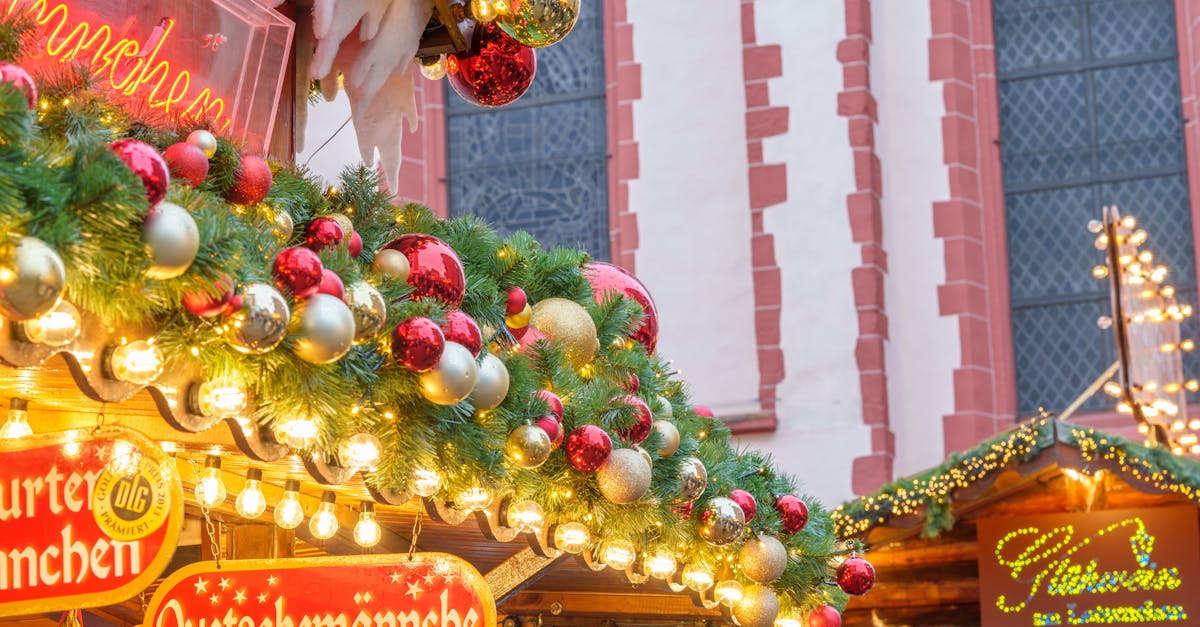
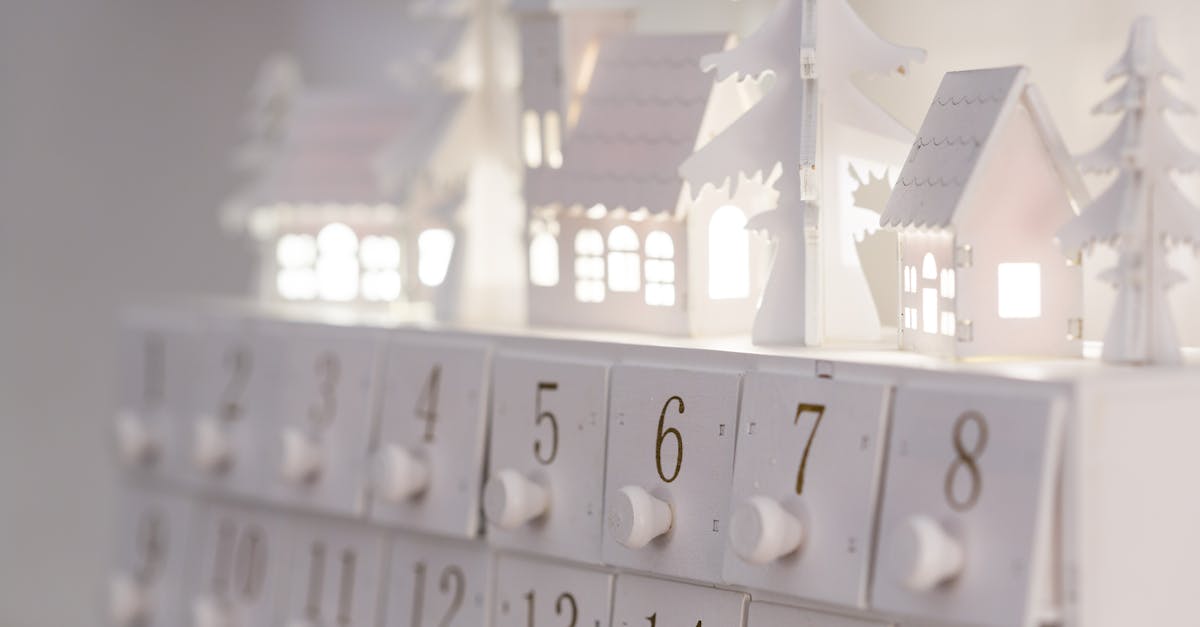
As the first frost dusts the cobblestones, Germany transforms into a winter wonderland centered around two beloved traditions: the Advent calendar and the festive markets. For locals, the countdown to Christmas begins not just with chocolate or small toys hidden behind twenty-four doors, but with a daily ritual of anticipation that builds excitement for the season ahead. This spirit of waiting culminates in the enchanting atmosphere of the Christkindlmarkt, where hundreds of wooden stalls glow under strings of warm lights, filling the crisp air with the scent of roasted almonds, spiced mulled wine (Glühwein), and freshly baked gingerbread. These markets are more than tourist attractions; they are community hubs where families gather to share stories, exchange handmade gifts, and immerse themselves in centuries-old customs that define the German holiday soul.
What truly sets these celebrations apart is the deep sense of communal warmth and nostalgia that permeates every corner of the city square. Locals often dress in traditional woolen sweaters and fur-lined coats as they stroll hand-in-hand past carolers singing classic hymns like "Stille Nacht" from open-air stages. The magic extends beyond the shopping experience to include unique regional specialties, such as nutcrackers carved in the Ore Mountains or intricate glass ornaments from Lauscha, which serve as tangible memories of the season. Whether you are sipping a steaming cup of Punsch by a crackling fire pit or watching children's eyes widen at the sight of a life-sized nativity scene, you will find that the German approach to Christmas is less about commercial frenzy and more about cherishing quiet moments of joy, tradition, and togetherness.
 This photo was taken by Torsten Dettlaff on Pexels.
Traditional Feasts: From Lebkuchen to Roast Goose
As the winter chill settles over Germany, the air in every village square and bustling market becomes thick with the intoxicating aroma of spiced sweetness and roasted meats. The season's culinary heart beats strongest during the traditional Christmas markets, where visitors are immediately greeted by stalls overflowing with Lebkuchen, those soft, honey-spiced gingerbread cookies often adorned with royal icing or dipped in chocolate. These treats are not merely snacks but cherished symbols of German holiday heritage, best enjoyed while sipping a warming cup of mulled wine known as Glühwein. From the intricate designs of Nuremberg's famous Lebkuchen to the rustic charm of regional varieties found in Bavaria, each bite tells a story of centuries-old baking traditions that bring families and friends together in cozy warmth.
While sweet delights define the market experience, the true centerpiece of a German Christmas Eve celebration is the festive dinner, which varies beautifully across regions but almost always features succulent roast goose or duck. In many households, this meal is preceded by a savory soup and followed by rich sides like red cabbage braised with apples and dumplings, creating a symphony of flavors that has been passed down through generations. For locals, preparing this feast is a labor of love that transforms the home into a sanctuary of joy and togetherness, often accompanied by the gentle sounds of carols playing softly in the background. Whether it is the golden, crispy skin of the goose or the comforting presence of family gathered around the table, these traditional meals encapsulate the spirit of the holidays, inviting both residents and tourists to partake in a deeply rooted cultural ritual that celebrates peace, gratitude, and shared history.
 This photo was taken by alperen on Pexels.
Midnight Mass and the Return of St. Nicholas
As the festive season deepens, many German communities gather in candlelit churches for Midnight Mass on Christmas Eve, a deeply spiritual tradition that marks the true beginning of the holiday. Unlike the commercial frenzy often seen elsewhere, this service is characterized by a profound sense of peace and reverence, where families dressed in their finest attire join together to sing traditional carols like "Stille Nacht" under the glow of thousands of candles. The atmosphere inside these historic cathedrals and village chapels is intimate and moving, creating a shared moment of reflection before the joyous celebration of Christ's birth continues with family gatherings and the exchange of gifts later that night.Just as the solemnity of Midnight Mass fades into the morning light, the cheerful spirit of St. Nicholas returns to bring delight to children across the country. On December 6th, though sometimes celebrated earlier in the season depending on the region, St. Nikolaus visits homes to reward good behavior with small treats, chocolates, and oranges hidden in polished boots placed outside the door the night before. This beloved figure, often accompanied by his somewhat intimidating but ultimately benevolent companion Knecht Ruprecht, bridges the gap between the religious significance of the season and the playful anticipation of the holidays, ensuring that even the youngest visitors feel included in Germany's rich tapestry of Christmas customs. This photo was taken by Denniz Futalan on Pexels.